
Pests
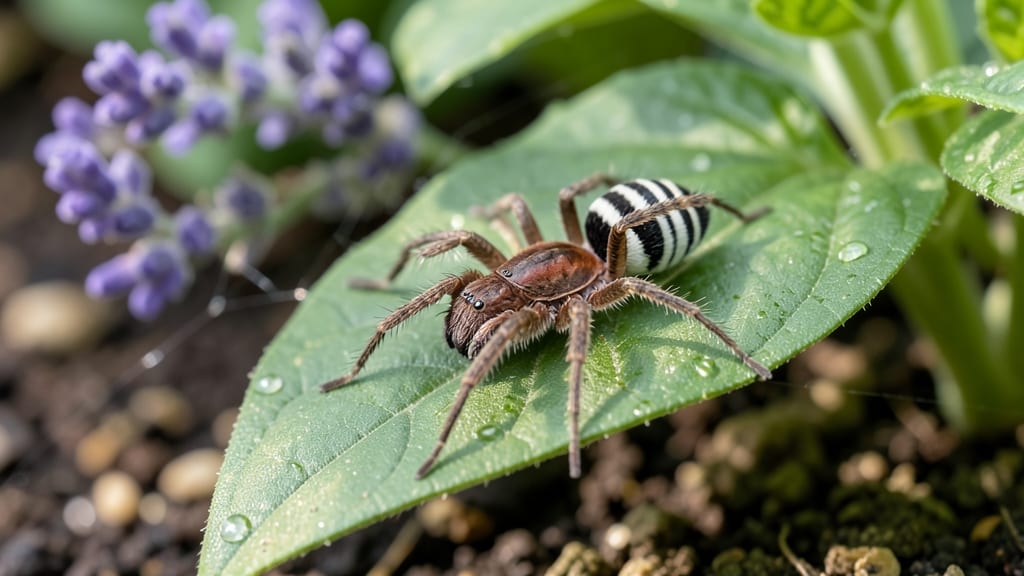
Spiders are beneficial in the garden because they act as natural pest controllers, preying on harmful insects like aphids, mites, and caterpillars while requiring no intervention from you.
These eight-legged helpers play a crucial role in maintaining garden balance by keeping pest populations in check without chemicals. 🕷️ Unlike many insects, spiders don't damage plants—they're the garden's silent security team, working 24/7 to protect your flowers and veggies.
Their presence often means a healthier ecosystem where other beneficial insects can thrive too, creating a natural defense system against common garden nuisances.
What's fascinating is how different spider species specialize in hunting specific pests—some build webs to catch flying insects while others ambush ground-dwelling pests. This diversity makes them more effective than single-target pesticides, which can disrupt the entire food chain when overused.
I've noticed gardens with healthy spider populations need fewer interventions, saving both time and money in the long run.
💡 In This Article
- How Spiders Act as Natural Pest Control Agents
- Creating a Spider-Friendly Garden for Better Pest Management
How spiders act as natural pest control agents
Spiders are nature's built-in pest management system, using two primary hunting strategies that make them incredibly efficient.
Web-building species like orb-weavers create intricate silk traps that capture flying insects such as aphids and whiteflies, while ambush predators like wolf spiders stalk and pounce on ground-dwelling pests like beetle larvae and caterpillars. 🕸️ This dual approach means they target pests at every life stage, from eggs to adults, creating a more comprehensive defense than chemical sprays that often miss certain stages.
The real magic happens in their hunting precision. A single garden spider can consume 2,000-8,000 insects annually, with some species specializing in particular pests. For example, jumping spiders (family Salticidae) focus on mites and small caterpillars, while crab spiders (family Thomisidae) ambush pollinators that become pests when overpopulated.
Their venom is specifically designed to immobilize prey quickly, making them more humane than many chemical alternatives that can harm beneficial insects too.
What sets spiders apart is their position in the food chain. While they prey on pests, they also serve as food for birds, lizards, and other beneficial predators, creating a balanced ecosystem.
This interconnectedness means supporting spiders indirectly helps maintain the entire garden food web. 🌱 Unlike pesticides that create ecological imbalances by wiping out both pests and beneficial insects, spiders provide targeted control that preserves biodiversity.
Research shows gardens with healthy spider populations experience 30-50% fewer pest problems compared to those without. Their presence often correlates with reduced damage to leaves, fruits, and vegetables because they keep early-stage pest populations in check before they become visible problems.
This preventative control is particularly valuable for organic gardeners who rely on natural solutions.
Their effectiveness extends beyond just numbers too. Spiders help control pests in ways chemicals can't match. For instance, they can access tight spaces where aphids hide, and their hunting patterns create natural fluctuations in pest populations rather than the sudden crashes caused by pesticides.
This ecological balance means fewer outbreaks of secondary pests that often follow chemical treatments.
One fascinating example is how spiders contribute to pollination indirectly. By controlling pest populations that might otherwise damage flowers, they help ensure plants remain healthy and continue to produce nectar and pollen.
Some spider species even collect pollen on their bodies while hunting, though this is a secondary benefit compared to their primary role as pest controllers. 🐝
What most gardeners don't realize is that spiders are more selective than we give them credit for. They typically avoid beneficial insects like bees, butterflies, and ladybugs unless these become overly abundant. This targeted approach makes them far more sustainable pest control agents than broad-spectrum pesticides that kill everything indiscriminately.