
Tools
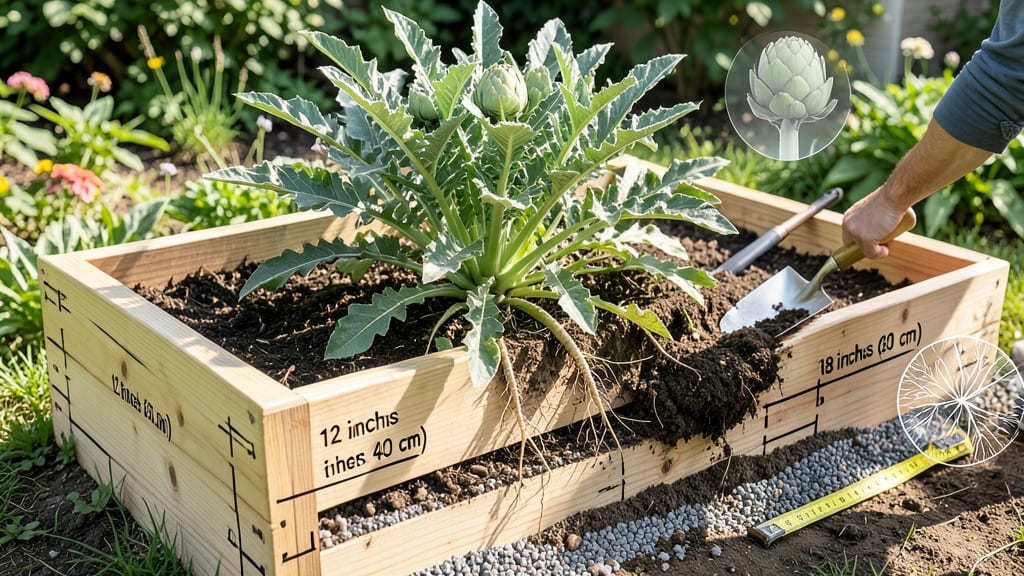
Determining optimal raised garden bed depth depends on your plants' root systems and soil conditions. Most vegetables thrive in beds 6 to 12 inches deep, while root crops like carrots or potatoes need 12 to 18 inches for full development. Shallow beds (4 to 6 inches) work well for herbs and leafy greens.
Getting the depth right isn't just about the numbers—it's about creating the perfect environment for roots to spread and absorb nutrients. 🌱 A deeper bed (12+ inches) prevents soil compaction, which is especially important for heavy or clay soils, while shallower beds conserve water and work better for plants with shallow roots.
I've found that adding compost or organic matter to the bottom layer helps create a nutrient-rich zone where roots can thrive.
For example, if you're growing carrots, you'll want that 18-inch depth to accommodate their long taproots, while lettuce or basil will do just fine in a 6-inch bed.
The key is matching your bed's height to your plants' needs and adjusting for your local soil type—sandy soils may need deeper beds to retain moisture, while loamy soils can get by with shallower ones.
💡 In This Article
- How Root Zone Depth Affects Plant Growth and Soil Health
- Plant-Specific Raised Bed Depth Recommendations for Maximum Yield
How root zone depth affects plant growth and soil health
Root zone depth directly impacts how plants access nutrients, water, and oxygen. In a 6-inch bed, roots like those of lettuce or radishes spread horizontally, maximizing surface area for nutrient absorption. However, deeper beds (12+ inches) allow roots to grow downward, accessing moisture and minerals from lower soil layers.
For example, tomato roots can extend 24-36 inches deep, but they'll struggle in a 6-inch bed where their growth is restricted. 🌱
The science behind this involves soil aeration and microbial activity. Deeper beds prevent compaction from foot traffic or irrigation, which is critical for oxygen flow to roots. Compacted soil reduces beneficial microbial populations by 30-50%, cutting nutrient cycling.
In contrast, loose, aerated soil in deeper beds supports mycorrhizal fungi—symbiotic organisms that boost nutrient uptake by up to 80% for some plants. The deeper the bed, the more stable the soil structure remains over time.
Moisture retention is another key factor. A 12-inch bed holds 20-30% more water than a 6-inch bed due to increased soil volume, reducing irrigation frequency.
However, this doesn't mean deeper is always better—shallow beds dry out faster but warm up quicker in spring, giving early-season crops like peas a head start. The trade-off depends on your climate and watering capacity.
Temperature gradients also play a role. Shallow beds (4-6 inches) warm up 2-3°F faster in spring than deeper ones, accelerating germination for cold-sensitive plants like cucumbers. Meanwhile, deeper beds maintain cooler soil temperatures in summer, protecting roots from heat stress.
This is why many gardeners use 8-inch beds as a compromise—deep enough for most vegetables but shallow enough to warm up quickly.
Consider soil composition too. Sandy soils drain quickly, requiring deeper beds (12+ inches) to retain moisture for root crops. Clay soils, which compact easily, benefit from 18-inch beds to prevent root suffocation.
Adding organic matter like compost or coconut coir to the bottom layer creates a "root zone buffer," improving drainage while holding nutrients in place for hungry plants.
One often-overlooked detail is how bed depth affects weeds. Shallow beds (6 inches) suppress weeds better because their roots can't penetrate deeply. Deeper beds require more frequent weeding, but the trade-off is healthier, larger plants.
For example, a 12-inch bed with carrots will yield straighter, longer roots than a 6-inch bed, where roots may fork or grow stunted due to space limitations. ✨