
Vegetables
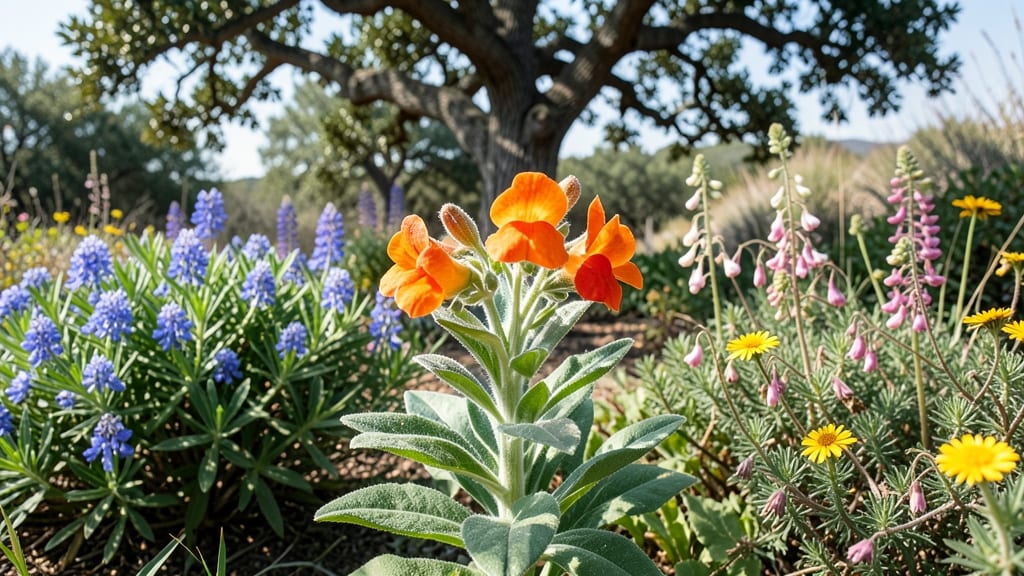
The Mendocino CA Botanical Gardens offer a stunning showcase of native California plants through scenic trails that highlight rare ferns, coastal shrubs, and vibrant seasonal blooms like lupines and poppies, creating an immersive experience for nature lovers year-round.
The gardens' coastal location creates a microclimate perfect for hard-to-find species like coast live oak and California fuchsia, which thrive in the misty, temperate conditions. 🌿 These plants aren't just beautiful—they're ecologically vital, supporting local wildlife while offering visitors a chance to see California's botanical diversity up close.
The winding trails are designed to let you wander at your own pace, with interpretive signs explaining each plant's role in the ecosystem.
What makes this spot truly special is how the displays change with each season. Spring brings wildflower meadows, summer reveals lush fern forests, and autumn paints the landscape in fiery hues. The Fern Canyon loop is a must-visit, offering shaded paths perfect for photography or quiet reflection.
Whether you're a plant enthusiast or just looking for a peaceful escape, the gardens deliver an authentic taste of Northern California's natural beauty.
💡 In This Article
- Native Plants Thriving in Mendocino’s Unique Coastal Climate
- Seasonal Blooms and Hidden Trails Map for Visitors
Native plants thriving in Mendocino’s unique coastal climate
The Mendocino Botanical Gardens thrive because of their precise coastal microclimate—where cool Pacific fog mixes with summer sun to create ideal conditions for rare native species.
The gardens' elevation of 150-200 feet above sea level and proximity to the ocean create a temperature range of 50-75°F year-round, preventing extreme heat or cold that would stress delicate plants.
This stable environment explains why coast live oak (Quercus agrifolia) dominates the landscape—its thick, leathery leaves conserve moisture while its deep roots tap into underground water sources.
Manzanita bushes (Arctostaphylos spp.) are another star here, their red bark and bell-shaped flowers thriving in the acidic, nutrient-poor soils typical of coastal California. These shrubs play a crucial ecological role by providing food for hummingbirds and butterflies while their dense growth stabilizes slopes.
The gardens also feature California fuchsia (Epilobium canum), whose tubular flowers attract night-flying moths—demonstrating how these plants support nocturnal pollinators that many visitors overlook. 🌿 The fog itself acts as a natural irrigation system, delivering moisture without heavy rainfall that could damage delicate roots.
What's fascinating is how these plants have evolved specific adaptations to survive Mendocino's conditions. Coast live oaks, for example, have sclerophyllous leaves (thick, waxy surfaces) that reduce water loss, while manzanita's curled leaves minimize surface area exposed to drying winds.
The gardens' curators intentionally plant these species together to showcase these adaptations in action—creating a living textbook of California ecology. Visitors often ask why they don't see these plants in inland gardens, and the answer lies in this precise coastal climate that most botanical collections can't replicate.
Beyond the obvious visual appeal, these native plants perform vital ecosystem services. The coast live oak's canopy provides shade that lowers soil temperatures by 5-10°F during summer, while manzanita's evergreen foliage offers year-round shelter for birds.
The gardens' 10-acre display demonstrates how these species create biodiversity hotspots—something particularly important in an era of habitat loss. This ecological storytelling is what sets Mendocino apart from more ornamental botanical gardens.
One plant that always surprises visitors is the coyote brush (Baccharis pilularis), whose fragrant foliage and yellow flowers attract pollinators while its dense growth prevents erosion. The gardens use this species strategically along trail edges to demonstrate its dual role as both a food source and soil stabilizer.
What most people don't realize is how these plants have co-evolved with California's native insects—creating a delicate balance that's visible in the gardens' pollinator corridors. 🐝 This interconnectedness is what makes the experience educational rather than just decorative.