
Lawn
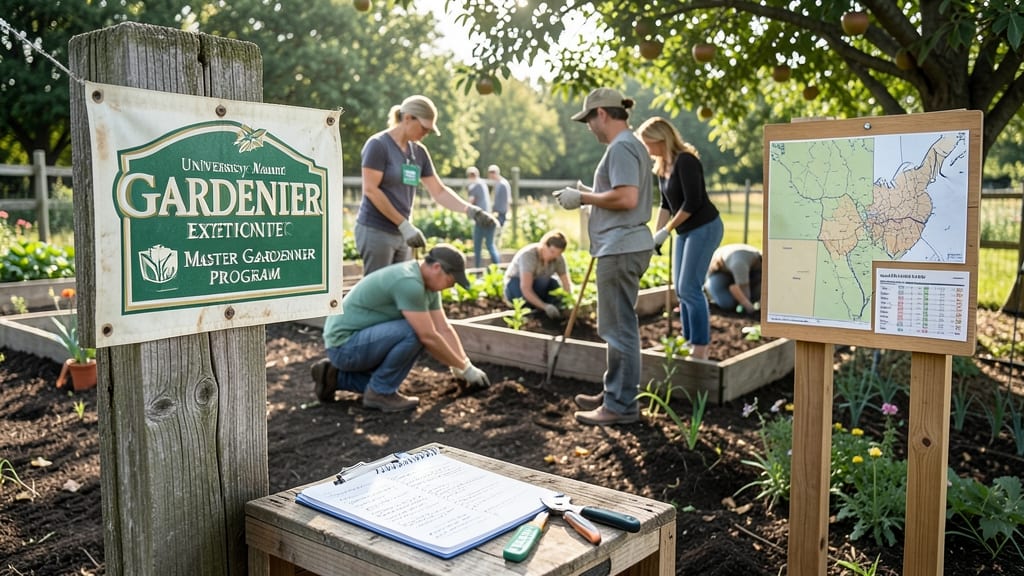
The Master Gardener Program in Maine trains volunteers through University of Maine Cooperative Extension to support local gardening and sustainable agriculture initiatives. Applications open annually, requiring a fee and commitment to 40 hours of training and 40 hours of volunteer service.
The Master Gardener Program in Maine is more than just a volunteer opportunity—it’s a hands-on education in horticulture tailored to New England’s unique climate. 🌱 Through the University of Maine Cooperative Extension, participants dive into plant science, pest management, and sustainable gardening techniques, all while gaining practical skills to help communities thrive.
The program’s structure ensures you’ll learn from experts while contributing directly to local food systems and green spaces.
What sets this program apart is its focus on real-world application. After completing the rigorous training, volunteers can specialize in areas like organic gardening or pollinator habitats, making their work both rewarding and impactful.
Whether you're a seasoned gardener or just starting out, this program offers the perfect blend of education and community service.
💡 In This Article
- How Maine’s Master Gardener Training Program Works
- Top Volunteer Opportunities for Maine Master Gardeners
How Maine’s master gardener training program works
The training curriculum is designed by horticultural experts to cover three core pillars: plant science, pest management, and sustainable gardening practices. You’ll spend 40 hours in classroom and hands-on sessions learning about Maine’s native plants, soil health, and climate-specific gardening techniques.
The program dives deep into topics like integrated pest management (IPM), where you’ll learn how to identify pests naturally without relying on harsh chemicals—a critical skill for Maine’s variable growing seasons.
Classes are typically held at University of Maine Cooperative Extension offices across the state, including locations in Orono, Presque Isle, and Bangor. Sessions run weekly or biweekly over 8-12 weeks, depending on the region, and often include field trips to local farms or research stations.
What’s unique is the hands-on approach: about 25% of training time is spent in gardens or labs, where you’ll practice diagnostics, pruning techniques, and even composting methods tailored to Maine’s acidic soils.
Before enrollment, all applicants must pass a background check and pay a $150 fee, which covers curriculum materials, lab supplies, and program administration. This fee ensures quality control while keeping costs accessible for community members.
The program also requires a commitment to 40 hours of volunteer service post-training, which helps maintain high standards and ensures volunteers apply their knowledge directly to local needs.
One standout feature is the emphasis on Maine-specific challenges, like dealing with black fly infestations or late-season frosts. Instructors often share real case studies from local gardens, giving you practical tools to solve common problems.
For example, you’ll learn how to identify hemlock woolly adelgid early—a critical skill for protecting Maine’s forests—using magnifying lenses and diagnostic keys provided during training.
The program also includes a mentorship component, pairing new volunteers with experienced Master Gardeners for guidance. This peer support system helps bridge the gap between classroom learning and real-world application, especially for those new to horticulture.
Whether you’re troubleshooting a blighted tomato plant or designing a pollinator-friendly garden, you’ll have direct access to experts who understand Maine’s unique growing conditions.
For those who complete the program, certification lasts 3 years and requires 20 hours of continuing education annually to stay current. This ensures volunteers remain knowledgeable about evolving best practices, from new organic pest controls to climate-adaptive planting strategies.
The ongoing support network keeps the community engaged and effective long after the initial training ends.