
Advice
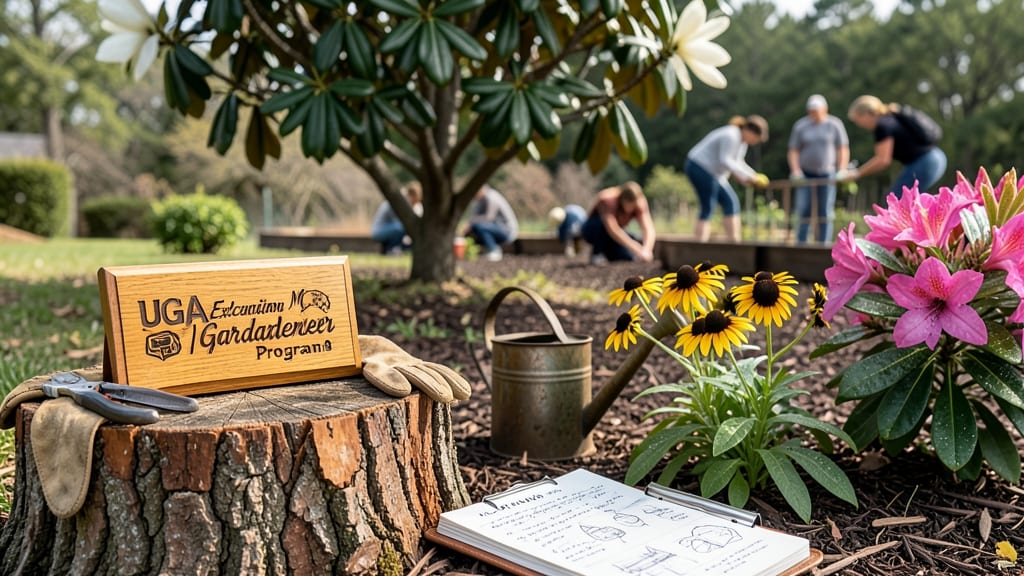
The Georgia Master Gardener Program trains volunteers to become certified horticulture experts through UGA Extension, delivering over 60 hours of hands-on training in plant science, pest management, and sustainable landscaping. County-based applications open annually with varying deadlines, requiring a small program fee, background check, and commitment to post-certification volunteer service.
The Georgia Master Gardener Program is one of the most respected volunteer training initiatives in horticulture, backed by the University of Georgia's Extension service. 🌱 This isn't just a certification—it's a deep dive into evidence-based gardening practices that you can immediately apply to your community.
What sets this program apart is its balance of classroom instruction and practical experience, ensuring you leave with skills that go beyond theory. Many graduates become go-to resources for their counties, offering everything from diagnostic help for plant diseases to sustainable gardening workshops.
If you're considering applying, start by reaching out to your local county Extension office—they'll provide the most up-to-date details on application windows and specific requirements.
The program typically costs between $200-$300 (varies by county), and while it requires a time commitment, the knowledge and networking opportunities make it well worth the investment for serious gardeners.
💡 In This Article
- Georgia Master Gardener Training Curriculum Overview
- Step-by-Step Georgia Master Gardener Application Guide
Georgia Master Gardener training curriculum overview
The Georgia Master Gardener curriculum is designed by UGA Extension experts to blend science with real-world application. You'll dive into 12 core modules covering soil science (including pH testing and nutrient analysis), plant pathology (identifying fungal diseases like powdery mildew), and entomology (integrated pest management for common garden pests).
Each module combines classroom lectures with hands-on labs—like dissecting plant stems to study vascular systems or analyzing soil samples under microscopes. The program emphasizes evidence-based practices, meaning you'll learn why certain techniques work (like mulching to retain 60-70% soil moisture in Georgia's clay-heavy soils) rather than relying on folklore.
What makes this training stand out is the integration of Georgia-specific challenges. For example, the plant pathology section dedicates time to diseases like brown rot (which affects peaches) and fusarium wilt (common in tomatoes), both major concerns for Georgia growers.
You'll also study landscape design principles tailored to our climate, including native plant selection for water conservation and pollinator-friendly gardens.
The curriculum even covers food safety for home gardeners, teaching proper handling of produce to prevent E. coli contamination—a critical topic given Georgia's warm, humid growing seasons that accelerate bacterial growth.
The program's teaching methods go beyond textbooks. Field trips to UGA's Horticulture Research Farm in Athens and local nurseries provide visual context for what you learn. You'll practice diagnosing plant problems using UGA's Plant Disease and Insect Clinic protocols, which involve collecting samples and using keys to identify issues.
Exams aren't just theoretical—they include practical components like designing a 300-square-foot demonstration garden plan that meets sustainable criteria. This hands-on approach ensures you graduate with skills you can immediately apply, whether you're troubleshooting your own garden or advising neighbors.
One often-overlooked aspect is the program's focus on communication skills. You'll learn how to deliver accurate, science-backed information to diverse audiences—whether it's explaining soil test results to a home gardener or presenting at a farmers' market.
This training prepares you for the 50-hour volunteer service requirement post-certification, where clear communication becomes essential. The curriculum also addresses urban gardening challenges specific to Georgia cities, like managing soil contamination in raised beds or choosing drought-tolerant plants for xeriscapes.
For those with prior gardening experience, the program builds on what you already know while filling knowledge gaps. For example, if you've grown vegetables but never studied compost tea microbiology, you'll learn how beneficial microbes outcompete pathogens in your soil.
The training even covers legal aspects of gardening, like pesticide regulations and right-to-farm laws that protect gardeners from nuisance lawsuits. This comprehensive approach ensures you graduate with a toolkit that covers everything from microscopic soil organisms to large-scale landscape planning.
What most applicants don't realize is how the curriculum evolves with Georgia's changing agricultural landscape. Recent additions include modules on climate-smart gardening (adapting to longer growing seasons and more intense heat waves) and alternative growing systems like aquaponics.
The program stays current by incorporating research from UGA's College of Agricultural and Environmental Sciences, so you're always learning cutting-edge techniques. This commitment to ongoing education is what transforms participants from enthusiastic gardeners into certified horticulture experts.