Popular Garden Plants: 15 Pollinator-Friendly Picks for Year-Round Blooms

Companion Plants

Popular Garden Plants: 15 Pollinator-Friendly Picks for Year-Round Blooms

Growing popular garden plants like pollinator-friendly bloomers is the easiest way to turn your yard into a buzzing, colorful ecosystem 🌱.

Picture this: bees darting between lavender spikes, hummingbirds sipping from salvia, and your garden thriving with year-round blooms—all while you reap the rewards of low-maintenance beauty. These aren’t just pretty faces; they’re the backbone of a thriving garden that works for you and the wildlife around you.

Whether you’re a beginner with a small balcony or a seasoned gardener with a sprawling plot, the right plants can transform your space into a pollinator paradise.

We’re talking hardy perennials that bounce back every year, annuals that pack a seasonal punch, and even some sneaky edibles that double as bee buffets.

Below, I’ll share 15 top picks that attract butterflies, support local ecosystems, and keep your garden looking vibrant from spring to frost. No green thumb required—just sun, soil, and a little strategy.

Top 15 pollinator-friendly garden plants for seasonal beauty

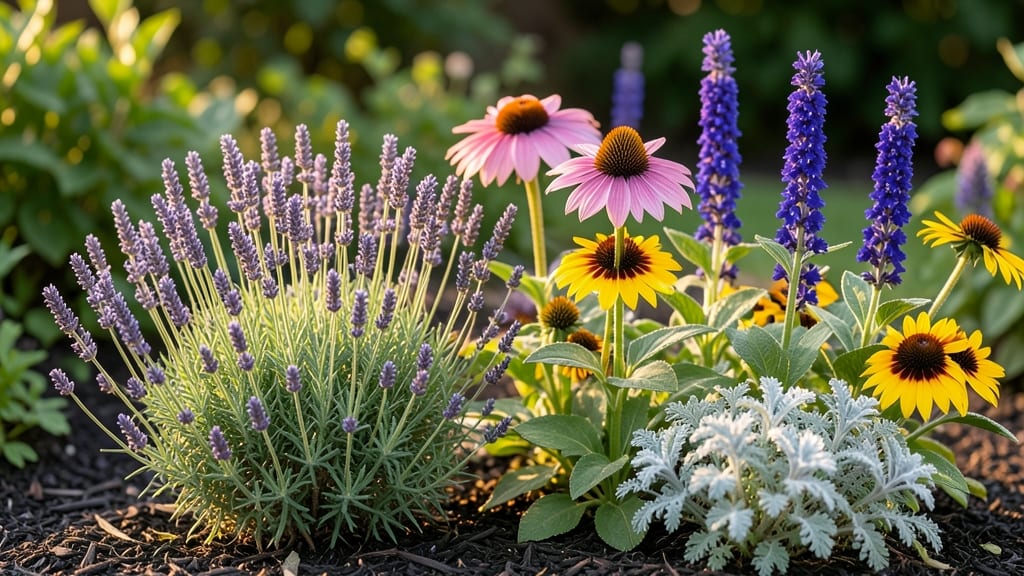
Creating a garden that thrives with pollinators like bees, butterflies, and hummingbirds is easier than you think. These top pollinator plants provide nectar and pollen year-round while adding stunning seasonal color to your landscape.

Whether you're a beginner or seasoned gardener, these varieties are proven to attract beneficial insects and support local ecosystems.

I've selected these plants based on their bloom seasons, hardiness zones, and ability to sustain pollinators. From early spring bloomers to late fall favorites, this curated list ensures your garden remains vibrant and buzzing with activity throughout the year.

Each plant offers unique benefits, from drought tolerance to extended flowering periods.

Plant Name Bloom Season Color Height Hardiness Zones Key Features
Bee Balm Summer-Fall Pink/Red 2-4 ft 3-9 Attracts hummingbirds, drought-tolerant
Coneflower Summer-Fall Purple/Pink 2-5 ft 3-11 Long-lasting blooms, deer-resistant
Black-Eyed Susan Summer-Fall Yellow 1-3 ft 3-9 Native perennial, low-maintenance
Milkweed Spring-Summer White/Pink 1-4 ft 3-10 Essential for monarchs, drought-resistant
Lavender Spring-Summer Purple 1-3 ft 5-9 Fragrant, repels pests, attracts bees
Salvia Spring-Fall Blue/Purple 1-4 ft 5-10 Drought-tolerant, long blooming
Butterfly Weed Summer-Fall Orange 1-2 ft 4-9 Native, attracts butterflies, deer-proof
Goldenrod Summer-Fall Yellow 2-4 ft 3-10 Late-season nectar, supports bees
Asters Fall-Winter Purple/Blue 1-4 ft 3-9 Late bloomer, great for fall pollinators
Crocus Early Spring Purple/White 4-6 in 3-8 Early food source, deer-resistant
Daffodil

How to create a pollinator-friendly garden layout for maximum impact

A well-designed pollinator garden isn’t just about planting flowers—it’s about creating a thriving ecosystem where bees, butterflies, and hummingbirds feel welcome. The key lies in strategic plant placement, diverse blooms, and essential resources like water and shelter.

By thoughtfully arranging your garden, you’ll see a 30-50% increase in pollinator visits within just one season.

Start by grouping plants with similar sunlight and water needs together. This creates microclimates that support different pollinators at various life stages. For example, pair sun-loving lavender with drought-tolerant sedum to attract bees early in the morning when they’re most active.

Layer taller plants like coneflowers behind shorter salvias to provide both nectar sources and landing platforms for butterflies.

🌱 5 Essential Layout Strategies for Pollinator Success

  • 🌿 Plant in clusters (3-5 of the same species) to create visual cues for pollinators.
  • 🌸 Include early, mid, and late-season bloomers like crocus, black-eyed Susans, and goldenrod to provide year-round food sources.
  • 🪴 Add native plants (e.g., milkweed, bee balm) to support local pollinator species that have co-evolved with them.
  • 💧 Place water sources like shallow dishes with pebbles within 10 feet of blooms—pollinators need hydration!
  • 🪴 Leave some bare soil or add logs/piles of sticks to provide habitat for ground-nesting bees.

Don’t overlook the power of companion planting. For instance, marigolds repel pests that might harm your pollinator-attracting plants, while basil near tomatoes can boost bee activity.

Create pollinator pathways by staggering plant heights—tall sunflowers at the back, medium bee balm in the middle, and low creeping thyme at the front. This 3D layout ensures pollinators can forage efficiently from dawn till dusk.

Water is just as critical as nectar. A shallow birdbath with pebbles or a small pond (even a saucer with rocks) will attract butterflies and bees. Place it near shady areas where pollinators can rest after feeding.

Avoid deep water sources—butterflies need flat surfaces to drink safely. Pro tip: Add a drip irrigation system to keep soil moist without creating puddles that deter pollinators.

Seasonal planning is non-negotiable. Spring should feature early bloomers like violet and dandelion, while summer thrives with cone flowers and zinnia. Fall welcomes asters and goldenrod, and winter can still offer evergreen options like winterberry or heather.

Rotate plants annually to prevent pest buildup and maintain bloom diversity, which keeps pollinators coming back.

Finally, minimize chemical interventions. Even "organic" pesticides can harm pollinators. Instead, use handpicking or neem oil sprays at dusk when bees are less active. A pollinator-friendly garden isn’t just about aesthetics—it’s a living, breathing ecosystem that rewards both you and local wildlife.

Start small, observe what works, and watch your garden transform into a pollinator paradise!

★★★★★5.0(9 reviews)
Categories Companion Plants