
Tools
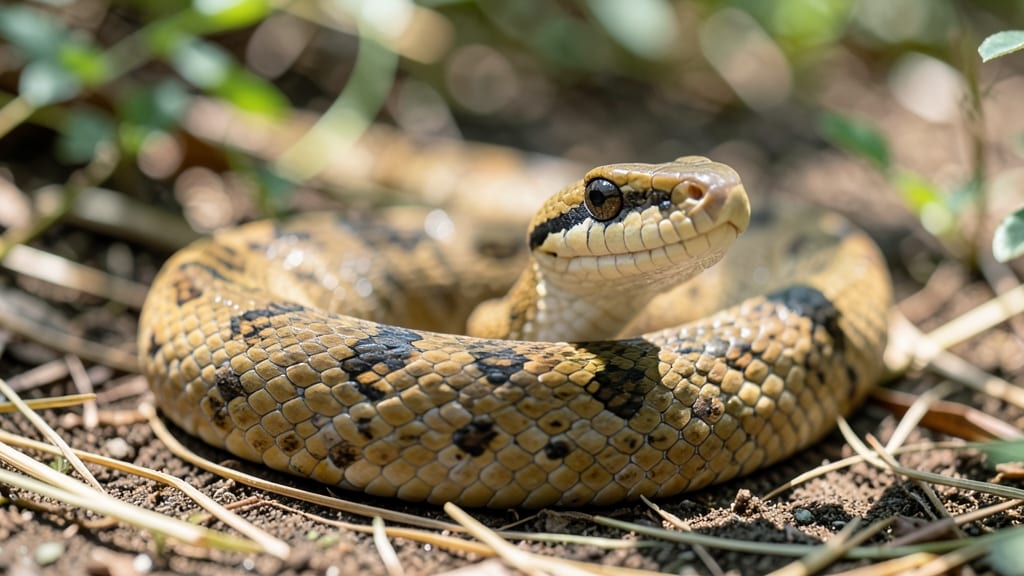
Louisiana garden snakes typically feature harmless species such as rat snakes, corn snakes, and scarlet kingsnakes, which naturally regulate pests like rodents and insects in outdoor areas. Recognize them by their distinctive patterned scales and slender builds before making assumptions about their danger level.
These reptiles play an essential role in Louisiana's ecosystems by keeping pest populations in check. 🐍 The rat snake, for example, often sports gray with dark blotches, while the scarlet kingsnake mimics coral snake patterns but lacks the venomous relative's bright yellow bands.
Their presence actually indicates a healthy garden environment, as they thrive where food sources like mice and bugs are abundant.
What many homeowners don't realize is that these snakes are more likely to flee than attack. Their slender bodies allow them to navigate through dense vegetation, making them excellent natural pest controllers.
The key to peaceful coexistence is proper identification—most Louisiana garden snakes exhibit calm demeanors unless provoked, which is why understanding their natural behaviors can prevent unnecessary fear.
💡 In This Article
- Common Louisiana Garden Snake Species and Their Traits
- How to Safely Encounter and Relocate Garden Snakes
Common Louisiana garden snake species and their traits
Louisiana's garden ecosystems host several non-venomous snake species that serve as natural pest controllers. The rat snake, for instance, typically measures 3-6 feet long with a sleek, muscular body covered in smooth scales.
Their coloration ranges from gray to brown with dark blotches along the back, often resembling tree bark or leaf litter for camouflage. 🐍 These snakes are diurnal, meaning they're most active during daylight hours when they hunt for rodents, insects, and even other snakes.
The corn snake, another common garden resident, displays vibrant red, orange, or white patterns on a tan or brown base, resembling corn kernels. They grow to 3-5 feet and have round pupils that distinguish them from venomous species.
Unlike rat snakes, corn snakes are primarily nocturnal, emerging at dusk to hunt mice and other small prey. Their docile nature makes them less likely to bite unless severely threatened, which is why they're often found in residential areas.
One of the most striking species is the scarlet kingsnake, easily confused with venomous coral snakes due to its bold red, black, and white bands.
However, remember the mnemonic "Red touches yellow, kills a fellow"—coral snakes have yellow bands that touch red, while kingsnakes have red bands that touch black. Scarlet kingsnakes grow to 2-4 feet and are immune to pit viper venom, often feeding on other snakes.
Their presence in gardens indicates a thriving ecosystem with abundant small prey.
These snakes share common behavioral traits that help them thrive in Louisiana's humid climate. They're excellent climbers, using their prehensile tails for balance as they navigate trees and shrubs.
Their forked tongues constantly sample the air for chemical cues, helping them locate prey and avoid predators. 🌿 Most species prefer areas with dense ground cover, rock piles, or wood debris where they can hide during the day and hunt at night or dawn.
Understanding these traits is crucial for safe identification. For example, venomous copperheads have heat-sensing pits between their eyes and nostrils, while non-venomous species lack these features. The triangular head shape of venomous snakes contrasts with the more uniform head of garden snakes.
Pay attention to these subtle differences to avoid unnecessary fear or harm to these beneficial reptiles.
Louisiana's warm, humid climate creates ideal conditions for these snakes to thrive year-round. While they may seem intimidating, their role in controlling rodent and insect populations makes them valuable garden allies. Recognizing their distinctive patterns and behaviors allows homeowners to appreciate their ecological importance rather than viewing them as threats.