
Tools
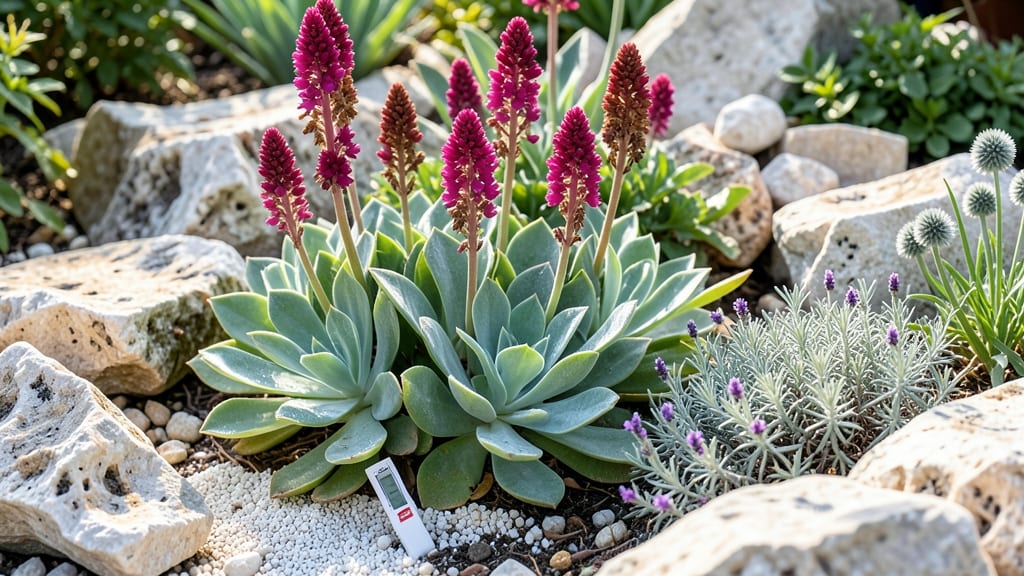
Using limestone in garden helps raise soil pH for acid-loving plants by neutralizing acidity, improving nutrient availability, and promoting healthier root growth. Apply crushed or pulverized forms sparingly—typically 5-10 pounds per 100 square feet—based on soil test results.
Limestone acts as a natural soil amendment by breaking down into calcium and magnesium, which directly counteract acidic conditions in the soil. 🌱 This process doesn't just raise pH levels—it also helps unlock essential nutrients like phosphorus that plants need to thrive.
For example, blueberries and azaleas, which prefer acidic soil, can struggle in neutral or alkaline conditions, making limestone a game-changer for their growth. Always test your soil first to avoid overcorrecting, as too much limestone can make the soil too alkaline for sensitive plants.
When applying limestone, timing matters. Fall is the best season because it allows the material to work through the winter and spring growing periods. Choose between dolomitic lime (which adds magnesium) or agricultural lime (pure calcium carbonate) based on your soil's specific needs.
Spread it evenly with a broadcast spreader and lightly rake it into the top inch of soil for optimal results.
💡 In This Article
- How Limestone Affects Soil Chemistry and Plant Health
- Step-by-Step Guide to Applying Limestone for Optimal Results
How limestone affects soil chemistry and plant health
Limestone works its magic through a chemical reaction called neutralization. When you add crushed limestone (primarily calcium carbonate or magnesium carbonate) to acidic soil, it reacts with hydrogen ions—those tiny, positively charged particles that make soil acidic.
This reaction produces water and carbon dioxide while releasing calcium or magnesium ions, which bind to soil particles and raise the pH. Think of it like adding baking soda to vinegar: the fizzing action neutralizes the acidity, creating a more balanced environment. 🔥
The real magic happens at the molecular level. Acidic soils often have locked-up nutrients like phosphorus and micronutrients such as iron and zinc that plants can't access. Limestone helps by raising the pH to a range where these nutrients become available.
For example, blueberries thrive in soil with a pH of 4.5-5.5, while roses prefer 6.0-6.5. Applying 5-10 pounds of limestone per 100 square feet can shift soil from a pH of 5.0 to 6.5 over time, creating the perfect balance for different plants.
Beyond pH adjustment, limestone improves soil structure by adding calcium, which strengthens cell walls in plants and makes them more resistant to diseases. The magnesium in dolomitic lime also plays a role in photosynthesis, helping plants convert sunlight into energy more efficiently.
Over time, this creates a more resilient garden ecosystem where plants can access the nutrients they need without competition from excessive acidity.
However, not all plants benefit from higher pH. Acid-loving plants like hydrangeas, azaleas, and rhododendrons may suffer if the soil becomes too alkaline. That's why soil testing is critical—it tells you exactly how much limestone to apply.
A simple home test kit or professional lab analysis can reveal your soil's current pH and guide your application rate. For instance, if your soil is already at 6.5, adding limestone could push it to 7.5, which might be too high for sensitive plants.
One often-overlooked benefit is limestone's long-term buffering effect. Once applied, it doesn't just raise pH temporarily—it creates a reserve that slowly releases calcium and magnesium, maintaining balanced conditions for years. This is especially valuable in regions with naturally acidic soils, like those with high rainfall or organic matter breakdown.
For example, in the Pacific Northwest, where acidic soils are common, gardeners often see dramatic improvements in plant growth after just one application of limestone.
Consider the sensory changes you'll notice after application. The soil will feel lighter and more crumbly as the limestone breaks down, improving drainage and root penetration.
You'll also see plants with deeper green leaves and stronger stems, a clear sign they're thriving in their new, nutrient-rich environment. 🌿 The transformation isn't just chemical—it's visible and tangible in every bloom and harvest.