
Pests
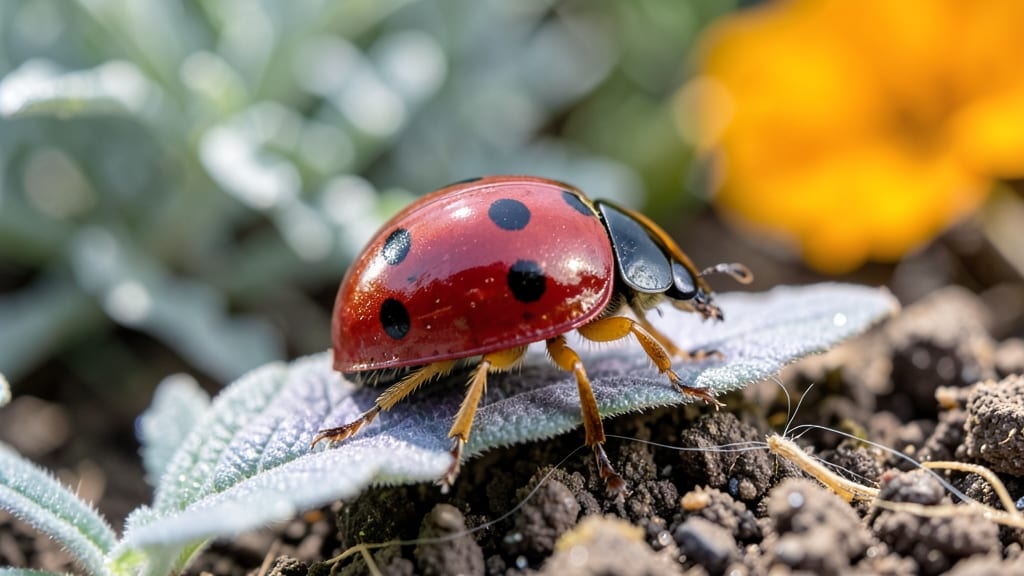
How to identify common garden pests by visual clues
When you spot tiny creatures crawling on your plants, distinguishing between harmful pests and helpful insects can save your garden. Most pests share key visual traits—like soft bodies, clusters on leaves, or chewing mouthparts—that make them easier to spot once you know what to look for.
Start by examining their body shape, color patterns, and distinctive markings.
For example, aphids are tiny, pear-shaped, and often green or black, while ladybugs have spotted wings and are beneficial. Slugs, on the other hand, leave silver trails and have soft, slimy bodies.
Mastering these visual cues helps you act fast—whether that means removing pests manually or encouraging natural predators.
| Pest Type | Key Visual Clues | Size & Color | Distinguishing Features |
|---|---|---|---|
| Aphids | Soft, pear-shaped bodies; clustered on stems/leaves | 1/16"–1/8"; green, black, or yellow | Cornicles (tube-like tails); waxy coating |
| Caterpillars | Segmented, worm-like; often striped or speckled | 1/4"–2"; green, brown, or black | Smooth or hairy bodies; chewing mouthparts |
| Japanese Beetles | Shiny, metallic green/blue heads; copper bodies | 1/2" long; bright green and copper | White tufts on sides; chew leaves in patterns |
| Slugs & Snails | Soft, slimy bodies; leave silvery trails | 1"–3"; gray, brown, or black | Slime trails; coiled shells (snails only) |
| Ladybugs (Beneficial) | Round, dome-shaped; spotted or striped | 1/10"–1/4"; red/orange with black spots | Eats aphids; flies when disturbed |
Pay attention to where these pests hide—aphids love the undersides of leaves, while beetles often rest on flower petals. Caterpillars, meanwhile, blend into foliage with their camouflage patterns.
Use a hand lens to inspect tiny details like antennae length or wing patterns, which can reveal whether an insect is a predator or a menace.
Another key clue is their movement. Spiders scuttle quickly, while slugs leave a glossy trail behind. Beetles often fly away when disturbed, but earwigs curl into a C-shape when threatened. Noticing these behaviors helps you confirm your ID without harming beneficial species.
If you’re unsure, observe the damage patterns on your plants. Aphids cause sticky residue (honeydew), while caterpillars create ragged holes. Japanese beetles skeletonize leaves, leaving only veins intact. Matching these signs to the visual clues from your pest will narrow down the culprit quickly.
For slugs and snails, check for irregular holes in leaves or chewed edges near the soil. These pests are most active at night or after rain, so inspect your garden in the early morning when they’re sluggish.
A simple beer trap or copper barrier can deter them without chemicals.
When dealing with beetles or caterpillars, focus on their mouthparts. Chewing insects leave jagged edges, while sap-suckers like aphids cause yellowing or curling. If you spot lacewings or parasitic wasps, celebrate—they’re natural pest controllers!
To protect your garden, I recommend keeping a pest journal with sketches or photos of what you find. Note the plant affected, date, and pest behavior.
Over time, you’ll recognize patterns and prevent infestations before they start. For stubborn pests, try neem oil or soapy water sprays as organic solutions.
Remember, not all small insects are bad! Ground beetles hunt pests, and hoverflies pollinate while controlling aphids. Learning to spot the difference ensures your garden thrives with minimal intervention—and more time enjoying your harvest. 🌱
Top 5 signs of pest damage and how to match them to insects
Pest damage often leaves behind telltale signs that help you identify the culprit before it spreads. Chewed leaves, hollow stems, or sticky residue are all red flags.
The key is matching these symptoms to the most likely insect so you can act fast—whether that means handpicking pests or introducing natural predators. I’ve seen aphids turn a once-vibrant tomato plant into a sticky mess in just days, so recognizing these clues early can save your garden.
Start by examining the type of damage. Is it small holes in leaves or large ragged edges? Are there sap trails or discolored spots? Each pattern points to a different insect, and knowing the match can help you choose the right treatment.
For example, Japanese beetles leave skeletonized leaves, while slugs create slime trails and irregular holes. The sooner you spot these signs, the easier it is to contain the problem.
Here’s how to decode the most common damage patterns and identify the likely pest:
Look for punctured leaves with tiny holes—like a sieve. These are often caused by leaf miners or lace bugs, which lay eggs on the undersides of leaves. Check for visible larvae or silver flecks on the surface.
If leaves have jagged edges or are partially eaten, suspect caterpillars (like tomato hornworms) or beetles (such as Japanese beetles). Look for droppings or chewed stems nearby.
A shiny, sticky film on leaves or black fungal growth means aphids or scale insects are sucking sap. These pests excrete honeydew, which attracts ants and promotes mold.
Plants with hollow stems or sudden wilting may be infested with borers (like squash vine borers) or cutworms. Split open stems to spot larvae or frass (sawdust-like droppings).
Shiny slime trails or large, irregular holes in leaves or fruit? Blame slugs or snails. These pests leave behind silver slime and often hide under mulch or boards during the day.
Once you’ve matched the damage to the likely pest, take action. For example, if you spot aphids, a strong spray of water or introducing ladybugs can help.
For Japanese beetles, handpicking them into soapy water is effective. The goal is to act before the pest population explodes—early intervention saves your plants and reduces stress.
Pro tip: Keep a garden journal to track damage patterns over time. Note which plants are affected, the type of damage, and any treatments you try.
This helps you spot trends and adjust your approach. For instance, if tomatoes always get hornworms, consider row covers or BT spray as a preventive measure.
Remember, not all insects are bad—some, like lacewings or parasitic wasps, actually control pests. Learning to spot the difference means you can preserve beneficial insects while targeting the real troublemakers. With practice, you’ll become a pest-detection pro in no time!