
Tools
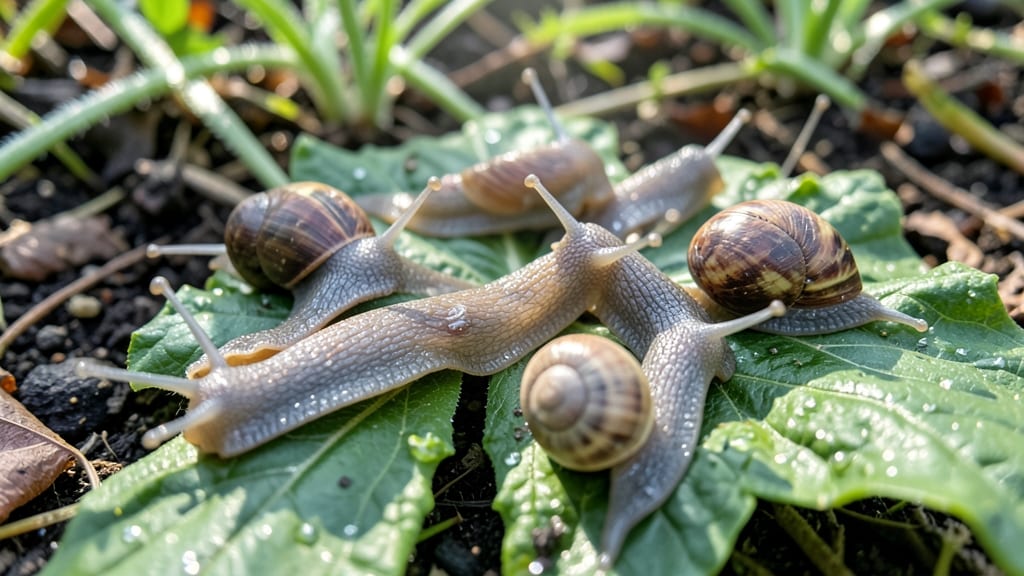
Ridding your garden of slugs and snails without chemicals is easier than you think—and it starts with the right barriers.
Picture this: You wake up to find your hard-earned seedlings turned into a slimy buffet overnight. 🐌 The good news? You don’t need toxic sprays to reclaim your garden. Instead, think copper tape, crushed eggshells, and even strategic planting to create a slug-proof zone that works for months.
Most gardeners assume slugs and snails are a lost cause after dark, but the truth is, a few simple tricks—like raised beds with sharp-edged mulch or planting Slug and Snail Control Plants—can make your garden a no-go zone for these pests.
Below, I’ll show you the most effective methods, tested and proven in Zone 6 gardens just like yours.
Ready to stop the slime trail for good? Let’s dive into the barrier tricks that actually work—without harming your soil, pets, or the critters you actually want in your garden.
Top 5 natural barrier methods to keep slugs and snails away
Slugs and snails may be small, but their damage to your hostas, lettuce, and tomato plants can be devastating. The good news? You don’t need toxic chemicals to create a slug-proof zone.
These natural barriers use everyday materials to create physical obstacles that pests simply can’t cross. The key is combining multiple methods for a multi-layered defense that works around the clock.
Unlike chemical sprays that harm beneficial insects, these solutions focus on physical deterrents that slugs and snails naturally avoid. From copper tape that gives them a mild electric shock to sharp-edged mulches that irritate their soft bodies, each method targets their weaknesses.
The best part? Most require minimal maintenance and can be set up in just a few hours. Let’s explore the top five barriers that actually work.
| Barrier Method | How It Works | Effectiveness | Setup Time | Maintenance |
|---|---|---|---|---|
| Copper Tape | Creates a mild electric shock when slugs/snails cross | 9/10 (Best for raised beds) | 15-30 minutes | Low (Reapply after rain) |
| Diatomaceous Earth | Sharp particles dehydrate slugs/snails on contact | 8/10 (Works best when dry) | 10 minutes | Medium (Reapply after watering) |
| Crushed Eggshells | Sharp edges deter movement and irritate soft bodies | 7/10 (Best for borders) | 5 minutes | Low (Natural breakdown) |
| Wood Ash | Creates a high-pH barrier that burns slugs/snails | 7.5/10 (Best for acidic soil gardens) | 10 minutes | Medium (Washes away in rain) |
| Sharp Gravel | Physical barrier that prevents crawling | 8.5/10 (Best for container gardens) | 20 minutes | Low (Long-lasting) |
Let’s start with my favorite: copper tape. This isn’t just another garden myth—it actually works by delivering a tiny electric shock when slugs and snails cross it. The tape comes in rolls and can be wrapped around raised bed edges, pot rims, or even tree trunks.
For best results, bend the tape slightly outward so it creates a gentle slope. Slugs won’t cross it twice! Just remember to reapply after heavy rain, as moisture can reduce its effectiveness.
Next up is diatomaceous earth, a fine powder made from fossilized algae. It’s completely safe for plants and humans but deadly to slugs and snails. The microscopic particles create tiny cuts that dehydrate them.
Sprinkle a thin layer around the base of your vulnerable plants like hostas or strawberries, being careful not to overapply—it can clog soil pores. Reapply after watering, as it loses effectiveness when wet. Pair it with a drip irrigation system to keep it dry longer.
Don’t toss those eggshells—they’re a free and effective slug barrier! Crush them into small pieces and scatter them around your garden beds. The sharp edges create an uncomfortable path for slugs to cross.
This method works best when combined with other barriers, like placing crushed eggshells at the base of copper tape for extra protection. Plus, it adds calcium to your soil as it breaks down naturally over time.
For gardens with acidic soil, wood ash is a game-changer. Sprinkle a thin layer around your plants—it creates an alkaline barrier that burns slugs and snails on contact.
Just be cautious with how much you use, as too much ash can alter your soil’s pH. This method is especially effective in vegetable gardens where slugs love to feast on young seedlings. Combine it with marigolds for a double defense.
Last but not least, sharp gravel is perfect for container gardens or areas where you want a permanent barrier. The rough texture makes it nearly impossible for slugs to crawl over.
Line the bottom of pots with a layer of gravel before adding soil, or create a gravel border around in-ground plants. This method requires the most upfront work but offers long-term protection with minimal maintenance. It also doubles as a drainage solution for pots.
Pro tip: Combine at least two of these barriers for maximum protection. For example, wrap copper tape around your raised beds and sprinkle diatomaceous earth at the base. Slugs and snails won’t stand a chance against this multi-layered defense.
Plus, these methods are pet-safe and won’t harm your garden’s ecosystem like chemical slug pellets. With a little effort, you can enjoy a slug-free garden without compromising your plants’ health.
How to create a slug-proof garden layout using mulch and plants
A slug-proof garden starts with smart design—one that makes your space unwelcoming to slugs and snails while keeping your plants thriving. The key is combining slug-resistant plants, sharp-edged mulches, and strategic bed layouts to eliminate hiding spots.
Unlike chemical solutions, this approach works with nature, not against it, and creates a long-term barrier that’s both effective and eco-friendly.
Slugs thrive in damp, shaded areas with plenty of organic matter to hide under. By raising garden beds slightly, using drought-tolerant mulches, and placing repellent plants strategically, you can drastically reduce their access to your prized greens and flowers.
The best part? These methods require minimal maintenance once set up, making them perfect for busy gardeners.
- 1 Choose slug-resistant plants like lavender, rosemary, and geraniums. These emit strong scents that slugs avoid, acting as natural deterrents.
- 2 Use sharp-edged mulches such as pine needles, gravel, or wood chips to create uncomfortable terrain. Slugs dislike crossing rough surfaces, making them think twice before venturing in.
- 3 Design raised beds with smooth edges and minimal crevices to block slug entry points. Add a 1-inch lip of sand or gravel around the perimeter for extra protection.
- 4 Plant garlic and chives near vulnerable crops. Their strong aroma repels slugs naturally, and they’re easy to grow. Place them in a border around garden beds for maximum coverage.
- 5 Avoid overwatering and water in the morning instead of evening. Slugs are nocturnal and seek out moist conditions, so keeping soil slightly drier reduces their activity.
Another often-overlooked tactic is creating a "slug moat" around your garden beds. Dig a shallow trench (about 2 inches deep) and fill it with dry sand or diatomaceous earth.
This acts as a physical barrier while also dehydrating any slugs that attempt to cross. Just be sure to refill it after rain, as moisture can wash it away.
For container gardens, opt for hanging planters or elevated pots with drainage holes. Slugs struggle to climb smooth surfaces, and the added height keeps them from reaching your plants.
Pair this with a layer of coarse mulch like pine bark to further discourage their advances. Consistency is key—check your barriers weekly and replenish as needed.
Remember, a slug-proof garden isn’t about eradicating slugs entirely (they play a role in the ecosystem) but about making your space less appealing. By combining these mulching and planting strategies, you’ll create a balanced, low-maintenance garden that slugs simply can’t resist avoiding. Happy gardening! 🌱