
Tools
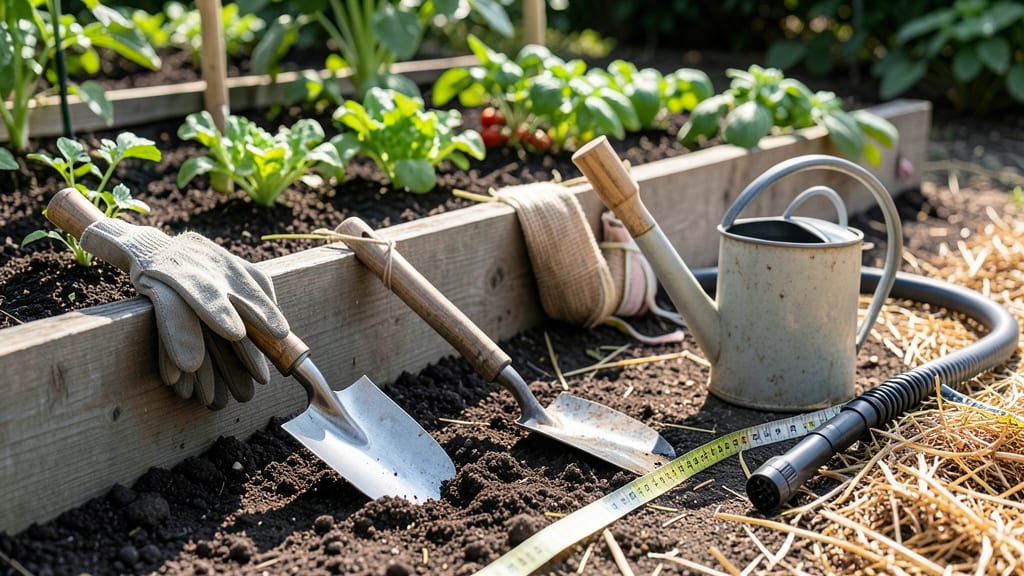
To start a garden in your backyard, begin by selecting a sunny location, testing and amending your soil, picking easy-to-grow plants, and preparing raised beds with compost. Start small with manageable plots and use organic mulch to conserve moisture.
Creating a thriving backyard garden starts with understanding your space's natural conditions. 🌱 Most vegetables and herbs thrive with at least 6 hours of direct sunlight daily, so map your yard to identify the sunniest spots.
Soil quality is equally critical—test your dirt for pH levels (most plants prefer 6.0-7.0) and amend with compost or aged manure to improve drainage and nutrient content. I always recommend beginning with raised beds for better control over soil quality, especially if your native soil is heavy clay or sandy.
These beds warm up faster in spring and drain better during heavy rains.
For first-time gardeners, lettuce, cherry tomatoes, and basil are excellent choices—they grow quickly and require minimal care. These plants also pair beautifully together, with tomatoes providing shade for lettuce while basil deters pests.
Remember to space seedlings according to their mature size to ensure proper air circulation, which prevents fungal diseases. Starting small lets you experiment without overwhelming yourself, and you can always expand next season based on what thrives in your microclimate.
💡 In This Article
- Choosing the Best Location and Soil for Your Backyard Garden
- Top 5 Beginner-Friendly Plants for a Low-Maintenance Backyard Garden
Choosing the best location and soil for your backyard garden
Sunlight is the foundation of any successful garden—most vegetables and herbs need 6-8 hours of direct sunlight daily to thrive. The angle of your yard matters too: south-facing plots in the Northern Hemisphere receive the most consistent sunlight, while east-facing areas get morning warmth ideal for leafy greens.
I've seen tomatoes produce 30-50% more fruit when placed in full sun compared to partial shade, thanks to better photosynthesis. Use a simple solar path calculator or observe your yard for 2-3 days to map sun patterns before planting.
Soil type dramatically impacts root development and nutrient absorption. Clay soil holds moisture but drains poorly, while sandy soil dries out quickly. The ideal is loamy soil—a balanced mix of sand, silt, and organic matter that holds moisture without becoming waterlogged.
You can test your soil's texture by squeezing a moist handful: if it crumbles easily, it's likely loamy; if it forms a tight ball, it's clay-heavy. For poor soil, work in 2-3 inches of compost or aged manure to improve structure and fertility.
This organic matter also introduces beneficial microbes that help break down nutrients for your plants.
Drainage is another critical factor—waterlogged roots suffocate plant cells, leading to rot. If your yard floods after rain, consider raised beds or mounding soil to create better drainage channels. The pH level also affects nutrient availability: most vegetables prefer a slightly acidic to neutral range of 6.0-7.0.
You can test pH with a simple kit from your local garden center and adjust using lime (to raise pH) or sulfur (to lower it). For example, blueberries need acidic soil (pH 4.5-5.5), while most herbs thrive in neutral conditions.
Don't overlook microclimates—the area near your house may stay 5-10°F warmer than the rest of your yard due to heat reflection. This can extend your growing season for heat-loving crops like peppers and eggplants. Conversely, low spots collect cold air and may experience frost longer into spring.
Use these microclimates strategically: plant heat-sensitive crops in cooler areas and warm-season vegetables near walls or fences. A simple thermometer placed at plant height can help you track these variations throughout the day.
For beginners, I recommend starting with raised beds—they warm up faster in spring, drain better, and give you complete control over soil quality. Fill them with a mix of 60% topsoil, 30% compost, and 10% perlite or vermiculite for optimal drainage and aeration.
This setup also reduces weed competition and makes it easier to maintain consistent moisture levels. Plus, raised beds allow you to grow vegetables even in small spaces or on patios where soil quality might be poor.
Finally, consider wind exposure—strong winds can stress young plants and cause moisture loss. If your garden is exposed, use windbreaks like tall grasses, shrubs, or even a simple fence to create a more stable microclimate.
I've found that even a 3-foot-tall barrier can reduce wind speeds by up to 50% in the protected area behind it. This simple adjustment can make a noticeable difference in plant health and yield.