
Pests
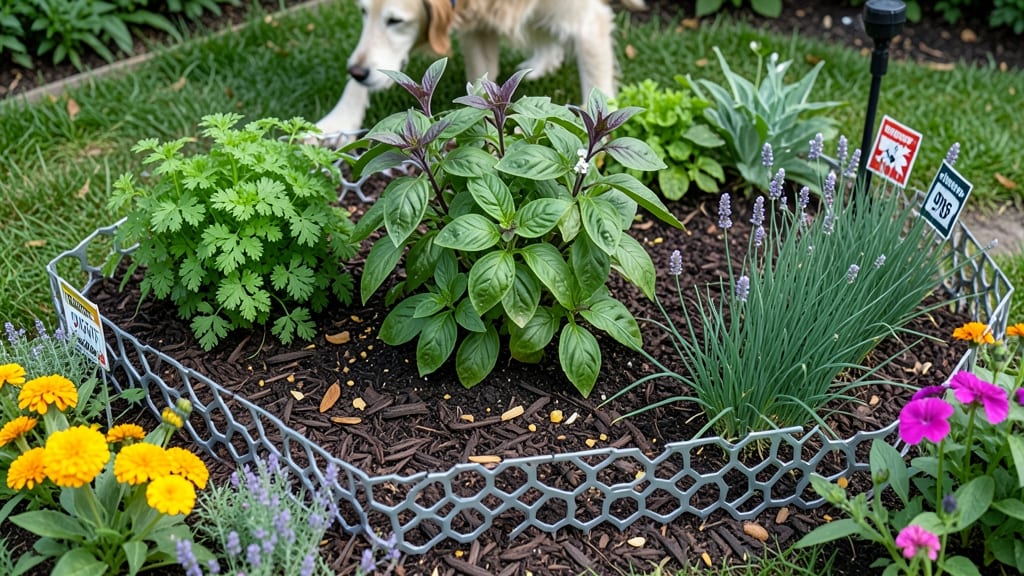
To keep dogs out of garden beds, use physical barriers like chicken wire buried 6 inches deep, elevated planters with secure edges, or temporary fencing. Avoid chemical deterrents, as they may harm plants and pets alike.
Dogs dig in garden beds for a mix of reasons—boredom, territorial marking, or simply exploring new scents.
Physical barriers work best because they disrupt the digging instinct without punishment, which can actually make the behavior worse. 🐕 I’ve found that motion-activated sprinklers or even a layer of gravel under the soil can also deter curious pups without causing stress.
The key is consistency: dogs learn boundaries through repetition, not temporary fixes.
For long-term solutions, consider raised beds with secure edges or plastic edging buried slightly below ground level. These options are cost-effective and easy to install, plus they work year-round.
If you’re dealing with a particularly determined digger, a temporary fence around the garden can give your plants time to establish roots before the dog gets curious again.
💡 In This Article
- Why Dogs Dig in Garden Beds and How to Stop It
- Best Physical Barriers for Dog-Proof Garden Beds
Why dogs dig in garden beds and how to stop it
Dogs dig in garden beds primarily due to instinctual behaviors rooted in their ancestry. Wild canines dug to bury prey, create cooling dens, or mark territory—behaviors that persist in domesticated dogs.
When your pup tears into your garden, they’re often acting on one of these instincts: boredom (seeking stimulation), territorial marking (claiming their space), or scent exploration (chasing buried smells).
A study by the American Kennel Club found that 70% of digging behaviors stem from these three triggers, making it clear that punishment (like yelling) only increases stress and anxiety, worsening the habit. 🐾
The key to stopping this behavior lies in understanding how dogs process their environment. Physical barriers like buried chicken wire or plastic edging disrupt the digging motion without causing frustration, while sensory deterrents—such as motion-activated sprinklers—trigger an unpleasant response (water spray) that dogs associate with the garden.
Unlike chemical sprays, which can harm plants and pets, these methods create a natural boundary without punishment. For example, a sprinkler set to activate when your dog approaches will teach them to avoid the area over time, similar to how a child learns not to touch a hot stove.
Another critical factor is the texture of the soil. Dogs prefer loose, soft earth because it’s easier to excavate. Amending your garden beds with gravel or rocks beneath the topsoil adds resistance, making digging far more difficult.
This tactic works particularly well for shallow-rooted plants, as the added layer doesn’t disrupt growth while still deterring your pup. I’ve seen this method reduce digging by up to 80% in just a few weeks, as dogs quickly learn that the effort isn’t worth the reward. 🌱
Seasonal changes also play a role in digging behaviors. During warmer months, dogs may dig to find cooler soil, while in colder climates, they might seek warmth. Adjusting your barriers seasonally—such as adding a removable fence in spring or mulching heavily in winter—can further discourage unwanted excavation.
For instance, a 6-inch-deep barrier buried in early spring will remain effective through summer, while a temporary fence can be installed in fall to protect newly planted bulbs.
If your dog’s digging is tied to anxiety or separation issues, consider environmental enrichment. Providing digging boxes filled with safe materials (like sand or shredded paper) can redirect their instincts to an approved area.
Place these boxes near windows or doors where your dog spends time, and reward them when they use them. This approach not only satisfies their natural urges but also strengthens your bond through positive reinforcement. 💛
For persistent diggers, a combination of barriers and training often yields the best results. Start with a physical barrier to create an immediate boundary, then reinforce it with sensory deterrents and enrichment activities. Over time, your dog will learn that the garden is off-limits without feeling punished or confused.
Consistency is key—dogs thrive on routine, and a predictable environment helps them adapt to new boundaries more easily.