
Size
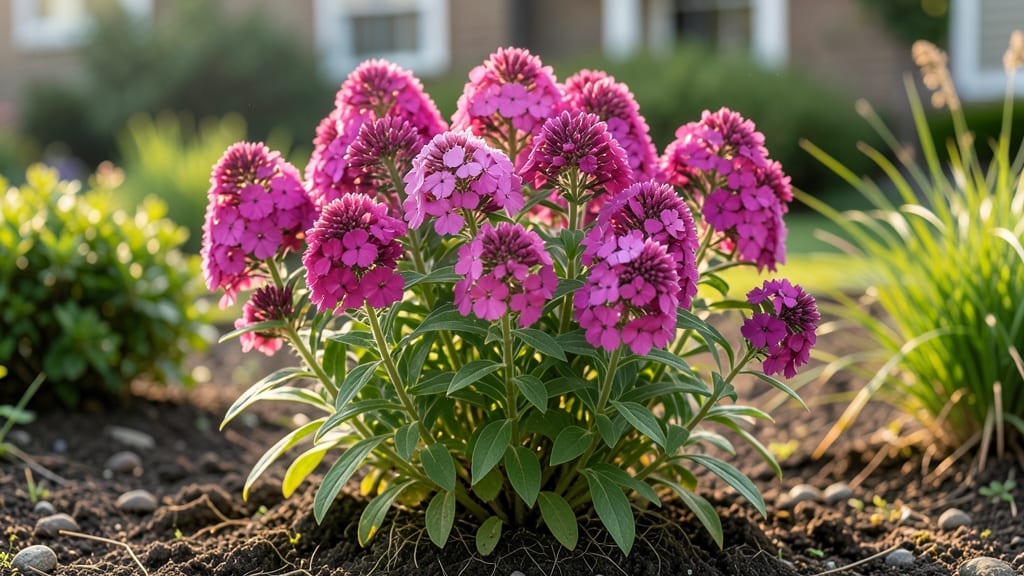
Garden phlox 🌸 can grow anywhere from 1 foot to over 4 feet tall, depending on the variety you choose—so picking the right one for your space makes all the difference.
If you’re dreaming of vibrant summer blooms but unsure whether garden phlox will fit your garden beds or containers, knowing their exact height ranges is key—some varieties stretch skyward while others stay compact, dramatically changing your planting strategy.
Dwarf varieties like 'Lipstick' max out at 12 inches, perfect for window boxes or front borders, while towering types such as 'David' reach 5 feet, making them ideal for the back of perennial beds or cut-flower arrangements.
Below, I’ll break down how to choose the right height for your design, plus tips to keep your phlox thriving at their full potential—no surprises when they bloom.

Garden phlox height ranges: compact vs. tall varieties explained
Choosing the right garden phlox variety depends entirely on height—some stay petite enough for container gardens, while others reach towering backyard focal points. The difference between a dwarf phlox at 12 inches and a giant phlox at 5 feet can transform your planting plan.
Let’s break down the exact height ranges so you can pick the perfect fit for your space.
Most garden phlox fall into three distinct height categories: compact (12–18 inches), medium (2–3 feet), and tall (3–5 feet). These ranges aren’t just numbers—they dictate where you’ll place your phlox for maximum impact.
A tall phlox behind a shrub border creates drama, while a dwarf variety spills beautifully over container edges or rock gardens.
| Variety Type | Height Range | Best Uses | Example Varieties |
|---|---|---|---|
| Dwarf | 12–18 inches | Containers, rock gardens, front borders | 'Little Lamb,' 'Nana,' 'Lipstick' |
| Medium | 2–3 feet | Mid-border planting, mixed beds, cut flowers | 'David,' 'Jeana,' 'Lavender Lace' |
| Tall/Giant | 3–5 feet | Back borders, focal points, tall arrangements | 'Blue Paradise,' 'Pink Flamingo,' 'White Queen' |
The dwarf varieties (12–18 inches) are my go-to for small spaces or container gardening. Varieties like 'Little Lamb' or 'Nana' produce dense clusters of blooms without overwhelming nearby plants. Their compact stature makes them ideal for edging pathways or pairing with ground covers like creeping thyme.
For mid-height drama, medium phlox (2–3 feet) strike the perfect balance. These varieties—like 'David' or 'Jeana'—thrive in mixed borders and cut flower gardens. Their height allows them to peek over shorter perennials while staying shorter than sunflowers or hollyhocks.
I often plant them alongside black-eyed Susans or bee balm for a layered look.
When you need statement-making height, tall phlox (3–5 feet) deliver. Varieties like 'Blue Paradise' or 'Pink Flamingo' reach human height or taller, making them perfect for backyard focal points or cut flower arrangements.
Their long stems hold up well in bouquets, and their bold blooms command attention in perennial gardens. Just be mindful of their spreading habit—they need space to avoid shading out smaller plants.
Height isn’t the only factor—spreading habit matters too. Tall phlox can spread 2–3 feet wide, while dwarf varieties stay 1–1.5 feet across. Always check the mature spread when selecting varieties to avoid overcrowding.
For example, 'White Queen' (a giant phlox) needs 3 feet of space to thrive, while 'Lipstick' (a dwarf) fits comfortably in 8-inch pots.
If you’re using phlox in containers, opt for dwarf or semi-dwarf varieties. A 12-inch-tall phlox in a 14-inch pot with trailing petunias or lobelia creates a stunning spiller-thriller-filler combo.
For ground beds, medium heights work beautifully when planted in odd-numbered groupings (3, 5, or 7 plants) for a natural, garden-style look.
Pro tip: Deadheading spent blooms encourages taller stems and longer flowering periods, especially in tall varieties. Pinch back new growth in early summer to promote bushier plants and prevent flopping in heavy bloomers like 'Blue Paradise.'
This simple step can add 6–8 extra inches of height and weeks of blooms.
For humid climates, taller phlox may need extra airflow to prevent powdery mildew. Space them 1–2 feet farther apart than recommended and avoid overhead watering. In dry climates, all phlox benefit from mulching to retain moisture, which helps them reach their full potential height.
Ready to pick your perfect phlox? Start by measuring your garden beds or container sizes, then match them to the height ranges above. Whether you’re dreaming of a whimsical cottage garden or a modern perennial border, there’s a phlox variety that’ll fit—just choose wisely! 🌸
How phlox height affects your garden design and plant pairings
Phlox heights aren’t just about aesthetics—they’re the foundation of your garden’s vertical structure. A dwarf phlox at 12 inches creates a lush, low border, while a tall variety reaching 4 feet becomes a dramatic focal point.
The right height choice transforms your space, adding depth, texture, and seasonal interest from early summer through fall.
Think of phlox as the backbone of your summer garden. Short varieties like 'David' phlox (12–18 inches) spill over container edges, while taller 'Lipstick' phlox (3–4 feet) towers over pathways.
By layering heights, you create a dynamic visual journey that draws the eye through your landscape—whether you’re designing a cottage garden, a modern border, or a pollinator paradise.
- Dwarf Phlox (12–18"): Perfect for front borders or container spillers. Pair with creeping thyme, ajuga, or dwarf coneflowers for a textured ground cover. Ideal for small gardens or rooftop planters.
- Medium Phlox (2–3'): Creates mid-height drama in mixed borders. Combine with black-eyed Susans, bee balm, or Russian sage for height contrast. Great for cut flower arrangements or pollinator gardens.
- Tall Phlox (3–5'): Acts as a backdrop plant or focal point near patios. Pair with tall grasses (like Miscanthus) or cleome for a wild, natural look. Best for large gardens or backyard screens.
- Pro Tip: Use odd-numbered groupings (3 or 5 plants) for natural, balanced clusters. Space dwarf phlox 12 inches apart, medium 18 inches, and tall 2–3 feet to prevent overcrowding.
For containers, dwarf phlox thrives in hanging baskets or window boxes, while tall varieties shine in large pots paired with trailing plants like fuchsia or lobelia. In garden beds, place taller phlox behind shorter perennials to avoid blocking sunlight from smaller plants.
This strategic layering ensures every plant gets the light it needs while creating a staggered, lush effect.
Don’t overlook color coordination—pair pink phlox with lavender or silver foliage plants for a soft palette, or mix purple phlox with golden rod for a bold contrast. The key is harmony in height and hue, ensuring your phlox blends seamlessly with its neighbors while stealing the show.
Experiment with monochromatic schemes (all whites or purples) or complementary colors (red phlox with blue salvia) for maximum impact.
If you’re designing for pollinators, taller phlox attracts bees and butterflies to the back of the border, while dwarf varieties provide low-level nectar sources for ground-dwelling insects.
This multi-level approach supports biodiversity while keeping your garden thriving. Just remember: deadhead spent blooms to encourage continuous flowering and maintain a tidy appearance.
Your phlox height choices can also influence maintenance ease. Dwarf varieties require less staking and are ideal for small spaces, while tall phlox may need support stakes or cage structures in windy areas.
Plan ahead by assessing your garden’s sun exposure, soil drainage, and foot traffic**—these factors determine which phlox will thrive and how they’ll interact with their neighbors.