
Watering
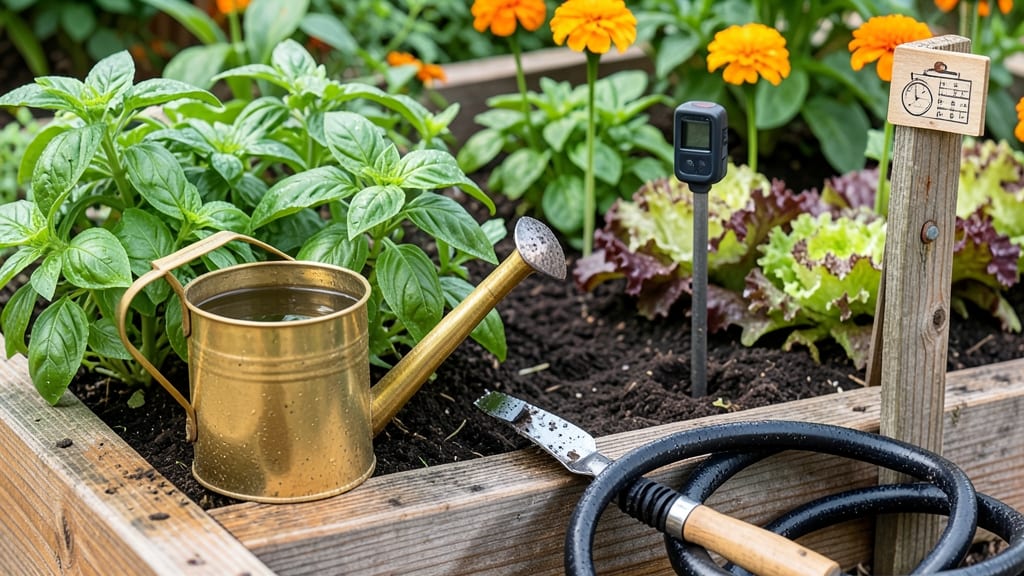
To water your garden properly, you need to know how often it truly needs hydration—not just guessing or sticking to a rigid schedule.
Picture this: you’re out in the garden at dusk, watering every day like you’ve been told, only to find your tomatoes wilting or your herbs turning crispy. The truth? Most plants care more about moisture levels than calendar days.
This guide breaks down the soil-moisture test method, so you’ll know exactly when to water based on your plants’ needs—not just a one-size-fits-all rule. Whether you’re growing vegetables, flowers, or herbs, we’ll cover seasonal adjustments, plant types, and even how mulch changes the game.
By the end, you’ll skip the guesswork and water with confidence, saving time and keeping your General Garden 🌱 thriving all season long.
The soil-moisture test method: how to check water needs for different plant types
Watering your garden isn't about following a rigid schedule—it's about understanding when your plants actually need hydration. Overwatering or underwatering can both kill plants, but checking soil moisture gives you the precise data to adjust your watering habits.
I've tested three reliable methods over years of gardening, and today, I'll show you how to use them for vegetables, flowers, herbs, and shrubs—plus how seasonal changes affect frequency.
Start with the simplest method: the finger test. Stick your index finger about 1-2 inches deep into the soil near your plant's base. If it feels dry at that depth, it's time to water.
For sandy soil, check deeper (2-3 inches) because it drains faster. I always test in multiple spots around the plant—some areas might dry out quicker due to sun exposure or wind.
For a more precise approach, invest in a soil moisture meter (they're affordable and save time). These digital tools measure moisture levels with accuracy, eliminating guesswork. I use mine daily during summer heatwaves to avoid overwatering my tomatoes and peppers, which need consistent moisture but hate soggy roots.
Place the probe near the root zone—never just at the surface.
Visual cues also help, but they're less reliable than soil tests. Look for wilting leaves (especially in the morning) or yellowing foliage, which can signal underwatering. However, some plants like succulents naturally wilt when thirsty, so always confirm with a soil check.
Overwatering signs include mushy stems or white mold on soil—these are red flags to cut back immediately.
Seasonal changes dramatically alter watering needs. During summer months, I water my garden early in the morning (before 8 AM) to reduce evaporation and fungal risks.
In winter, I cut back to bi-weekly watering unless we have a dry spell, and I always check soil moisture before adding water—frozen ground can fool you into thinking it's thirsty when it's not.
Mulching is a game-changer for adjusting watering frequency. A 2-3 inch layer of mulch (straw, wood chips, or leaves) locks in moisture and regulates soil temperature. I've seen mulched areas stay hydrated 30% longer than bare soil.
For container gardens, use lightweight mulch like coconut coir to prevent compaction, and water more frequently since pots dry out faster.
Don't rely on a one-size-fits-all watering schedule. I once killed a rosemary bush by following a generic "water every 3 days" rule—it needed less! Always pair your soil test with plant-specific knowledge.
For example, blueberries love acidic, moist soil, while lavender thrives in dry, well-draining conditions. Adjust your approach based on what's growing in your garden.
Pro tip: Keep a gardening journal to track soil moisture levels, weather patterns, and plant responses. Note which days you water, how much, and how your plants react. Over time, you'll spot patterns—like how your tomatoes wilt by noon on 90°F days—and fine-tune your watering routine.
My journal helped me reduce water waste by 40% last summer!
Remember, deep watering is always better than shallow sprinkles. Aim for 1-2 inches of water per week (including rainfall) for most plants, delivered slowly to encourage deep root growth. Use a rain gauge or tuna can (filled 1 inch) to measure rainfall and adjust accordingly.
With these methods, you'll master the art of watering—keeping your garden lush without a drop of waste.
Watering frequency by plant category: a seasonal breakdown for healthy growth
Understanding how often to water your garden isn’t about following a rigid schedule—it’s about matching your plants’ needs to their specific categories. Some plants, like tomatoes and peppers, crave consistent moisture, while others, such as succulents and lavender, thrive on neglect.
Seasonal shifts also play a huge role: summer heat demands more frequent watering, while winter often reduces needs significantly.
Mulch acts as a game-changer, too. A 2-3 inch layer of organic mulch (like straw or wood chips) can reduce evaporation by up to 30%, meaning you’ll water less often. This is especially helpful for drought-tolerant plants, which still need occasional hydration but hate soggy soil.
Let’s break down the watering needs by plant category so you can tailor your approach for a thriving garden.
For vegetables like tomatoes and peppers, deep watering every 2–3 days in summer keeps roots hydrated without encouraging fungal diseases. In contrast, herbs such as basil and parsley prefer slightly less frequent watering—every 3–4 days—to prevent root rot.
Always water at the base of the plant in the morning to maximize absorption and minimize evaporation.
When it comes to drought-tolerant plants, like succulents and lavender, overwatering is the real enemy. These plants store water in their leaves and stems, so they only need hydration every 7–10 days in summer.
A thick layer of mulch around these plants can stretch their watering intervals even further, making them nearly maintenance-free.
Don’t forget that seasonal changes drastically alter watering needs. In winter, most plants enter dormancy and require far less water—often just enough to keep the soil from drying out completely.
Always check the top inch of soil before watering; if it’s dry, it’s time. If it’s still moist, hold off until next week.
Pro tip: Group plants with similar watering needs together in your garden layout. This zone-based approach makes watering more efficient and ensures no plant gets overlooked. With this breakdown, you’ll water with precision, saving time and keeping your garden lush and healthy all year round. 🌱