
Plants
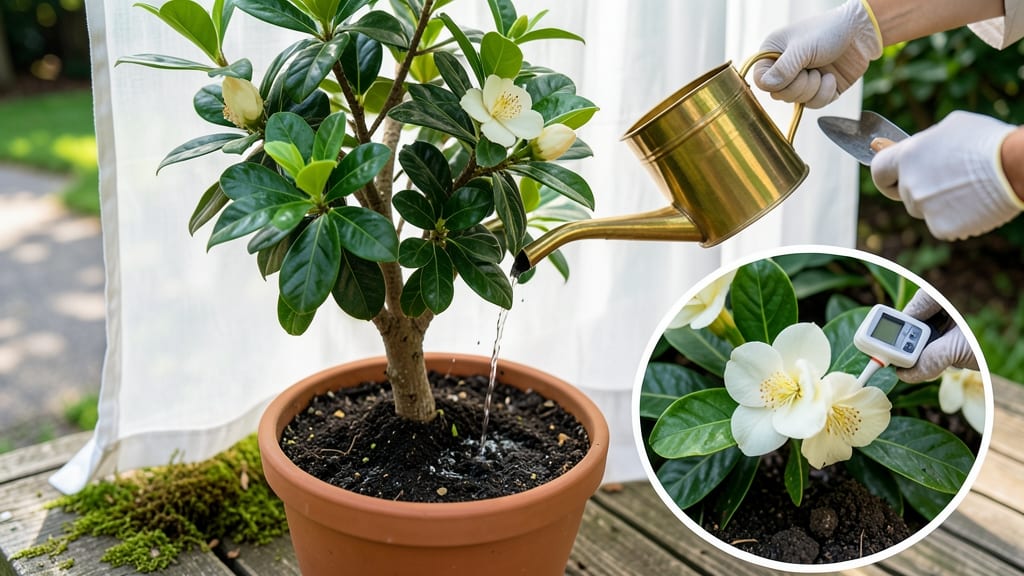
A gardenia plant needs consistent moisture—about 1 to 1.5 inches of water per week—to thrive and reward you with those fragrant blooms 🌸.
Struggling to keep your gardenia plant blooming beautifully? The secret often lies in watering—too much or too little can wilt even the hardiest plants. Discover the exact watering schedule and techniques to nurture lush, fragrant gardenias all year round.
This tropical beauty hates drought stress but despises soggy roots just as much. The key is deep, infrequent watering that keeps the soil evenly moist without turning it into a swamp.
I’ll show you how to read your plant’s thirst cues and adjust for your climate, whether you’re in a humid summer or a dry winter.
By the end, you’ll know exactly how often to water, when to cut back, and how to spot the early signs of trouble before your gardenia throws in the towel. Let’s get those blooms back in full force!
Gardenia watering schedule: how much and when to water for optimal growth
Mastering your gardenia plant's watering schedule is key to those lush, fragrant blooms you adore. These tropical beauties thrive on consistent moisture but despise soggy roots. The right balance keeps your gardenia healthy and blooming season after season.
Let’s break down the perfect watering routine tailored to your plant’s age, season, and soil conditions.
First, understand that young gardenias need more frequent watering than mature shrubs. A newly planted gardenia should receive water every 1-2 days until its roots establish, while a 3-year-old gardenia can handle every 3-4 days.
Soil type plays a huge role too—sandy soil drains faster, requiring more frequent watering, while clay soil holds moisture longer, reducing the need for frequent watering.
🌸 Gardenia Watering Schedule by Plant Age & Season
| Plant Age | Season | Watering Frequency | Water Amount | Best Time |
|---|---|---|---|---|
| Newly Planted (0-6 months) | Spring/Summer | Every 1-2 days | 1-2 gallons per plant | Morning (6-9 AM) |
| Young (6-24 months) | Spring/Summer | Every 2-3 days | 1-1.5 gallons per plant | Morning (6-9 AM) |
| Mature (2+ years) | Spring/Summer | Every 3-4 days | 1.5-2 gallons per plant | Morning (6-9 AM) |
| All Ages | Fall | Every 4-5 days | 1 gallon per plant | Morning (7-10 AM) |
| All Ages | Winter | Every 7-10 days | 0.5-1 gallon per plant | Morning (8-11 AM) |
| 💧 Pro Tip: Always water at the base of the plant, not the leaves, to prevent fungal diseases. | ||||
When watering your gardenia, focus on deep watering rather than light, frequent sprinkles. Aim to soak the root zone—about 6-12 inches deep—until water drains out the bottom of the pot or seeps into the soil.
This encourages strong root development and prevents shallow roots that lead to wilting. Use your finger to check soil moisture: if the top 1-2 inches feel dry, it’s time to water.
Morning is the best time to water gardenias because it allows foliage to dry out during the day, reducing the risk of fungal infections like powdery mildew. Avoid evening watering, as damp leaves overnight create a perfect environment for pests and diseases.
If you must water in the evening, make sure to trim any wet leaves afterward to speed up drying.
In hot, dry climates like USDA zones 8-10, gardenias may need water daily during peak summer months. Monitor your plant closely—if the soil feels dry just 1 inch below the surface, it’s time to water again.
For humid climates, reduce frequency slightly, as humidity helps retain moisture in the soil. Always adjust based on your gardenia’s specific response rather than sticking rigidly to a schedule.
Overwatering is a common mistake that can kill gardenias just as quickly as underwatering. Signs of excess water include yellowing leaves, mushy stems, and a foul smell from the soil. If you notice these, let the soil dry out completely before watering again.
For potted gardenias, ensure the pot has drainage holes and never let the plant sit in standing water.
Mulching around your gardenia helps retain soil moisture and regulate temperature. Use 2-3 inches of organic mulch, like shredded bark or pine needles, keeping it 2 inches away from the plant’s stem to prevent rot.
This simple step can reduce your watering frequency by 20-30% while keeping roots cool and hydrated during hot days.
Indoor gardenias often need more frequent watering than outdoor plants because indoor air is typically drier and less humid. Place your potted gardenia near a humidifier or group it with other plants to increase humidity.
Check the soil daily—if it feels dry at the surface, water lightly. Remember, indoor gardenias are more sensitive to fluctuations in moisture and temperature, so consistency is key.
To keep your gardenia thriving, pair
Signs your gardenia needs more (or less) water: troubleshooting common mistakes
Gardenia plants are famously finicky about water—give them too little, and their leaves droop like sad balloons. Overwater, and you’ll end up with mushy roots and yellowing foliage. The key is learning to read your plant’s subtle cues before damage sets in.
I’ve spent years watching gardenias signal their needs, and these visual and tactile clues will help you adjust care fast.
Start by checking the top inch of soil. Stick your finger in—if it feels bone-dry, your gardenia is thirsty. But if it’s soggy or smells musty, you’re overdoing it.
Gardenias hate soggy roots, which is why well-draining soil is non-negotiable. Even in humid climates, proper drainage prevents the most common watering mistakes.
Gardenias need consistent moisture but never soggy soil. Aim for 1-1.5 inches of water weekly in summer, reducing to every 7-10 days in winter. Always water deeply at the base—never on leaves—to avoid fungal diseases like powdery mildew.
💧 Pro Tip: Use a moisture meter or the "finger test" to check soil moisture before watering.
One of the first signs your gardenia needs more water is wilting leaves, especially in hot weather. The edges may curl inward, and the plant feels limp when you touch it. If you catch this early, a deep watering often revives it within hours.
But if the wilting persists after watering, your gardenia might be suffering from root stress or even root rot.
On the flip side, yellowing leaves—especially lower ones—often mean you’re overwatering. Unlike wilting, yellow leaves stay soft and droopy. Check for mushy stems or a foul smell at the base, which are red flags for rot.
If you see these signs, cut back on watering immediately and repot in fresh, well-draining soil if needed.
Don’t ignore leaf drop either—it’s a classic sign of water stress. Whether your gardenia is thirsty or drowning, sudden leaf loss means it’s struggling. The fix? Adjust your watering routine and monitor the soil moisture more closely.
For indoor gardenias, humidity levels play a big role—use a pebble tray or humidifier to mimic their tropical habitat.
To prevent these issues, I recommend watering in the morning so excess moisture evaporates during the day. Avoid evening waterings, as damp foliage invites fungal infections. And always pair watering with a layer of mulch to retain moisture without suffocating the roots.
With these adjustments, your gardenia will thrive with glossy, fragrant blooms all season long.
🌿