
Watering
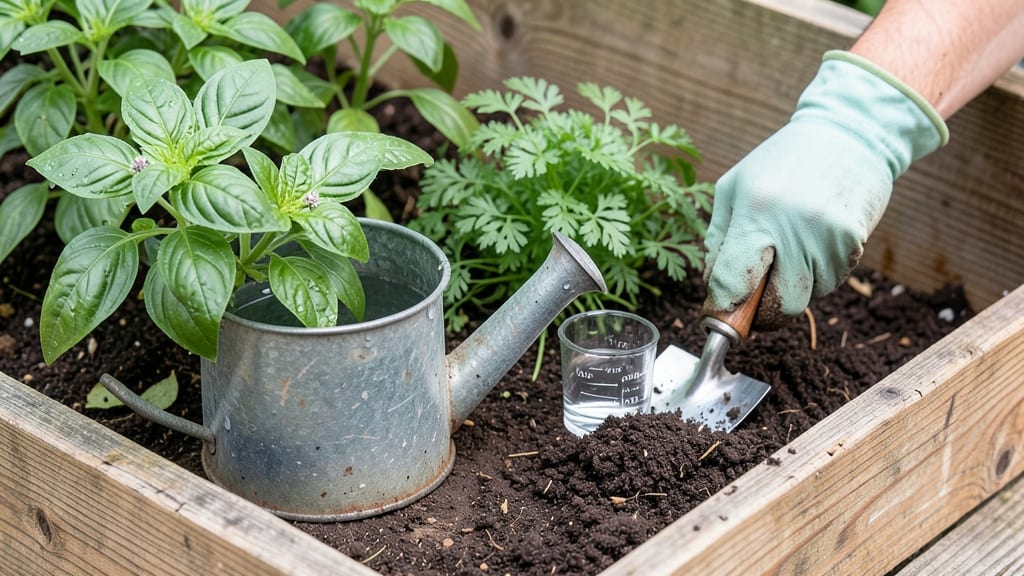
Watering your garden the right way means giving plants 1 to 2 inches of water per week—too much or too little can spell disaster for your 🌱 greens.
Overwatering or underwatering your garden can kill plants faster than pests or diseases—yet most gardeners guess instead of measuring. The secret to lush, thriving plants lies in understanding how soil type dictates watering needs.
Sandy soil drains fast, demanding frequent, shallow watering, while clay holds moisture for days, risking root rot. Loam, the happy medium, balances effort and retention, but even it needs adjustments for seasonal shifts.
Here’s how to match watering to your soil, test moisture like a pro, and keep your garden perfectly hydrated—no more guesswork, just thriving plants.
Watering requirements by soil type: the science behind perfect moisture
Your garden's soil type is the foundation of plant health—yet most gardeners treat all soils the same. Sandy soil drains like a sieve, while clay holds water like a sponge, and loamy soil strikes the perfect balance.
Understanding these differences means the difference between thriving tomatoes and wilting zucchini. Let's break down how each soil type affects watering needs and why a one-size-fits-all approach fails.
Soil isn't just dirt—it's a living ecosystem with porosity, water retention, and nutrient availability that vary dramatically.
For example, sandy soil drains water in just 30 minutes, forcing you to water 3-4 times per week, while clay soil may stay soggy for days after a single watering. Even loamy soil, the gardener's gold standard, requires adjustments based on rainfall and plant types.
Here's the science: Watering frequency depends on soil's field capacity (how much water it can hold) and percolation rate (how fast water drains). Plants in sandy soil need frequent, shallow watering, while clay soil plants benefit from deep, infrequent watering.
The key is matching your watering schedule to your soil's natural behavior—not just guessing based on what worked for your neighbor's loamy garden.
| Soil Type | Watering Frequency | Water Amount | Drainage Time | Best For |
|---|---|---|---|---|
| Sandy | 3-4 times/week | 1/2 inch per session | 30 minutes | Vegetables, herbs |
| Loamy | 2-3 times/week | 1 inch per session | 4-6 hours | Flowers, shrubs |
| Clay | 1-2 times/week | 1.5 inches per session | 24+ hours | Trees, perennials |
| Chalky | 2 times/week | 1 inch per session | 6-8 hours | Drought-tolerant plants |
Let's start with sandy soil, which feels like flour when dry and drains faster than you can say "watering can." This soil type is ideal for root vegetables like carrots but requires frequent watering—often daily in hot climates.
The trick? Water lightly but often, aiming for 1/2 inch per session to prevent nutrients from washing away. For example, my basil plants in sandy soil wilt by afternoon if I don't water them twice daily during summer.
On the opposite end, clay soil acts like a water reservoir, holding moisture for days but suffocating roots when overwatered. Plants like hydrangeas thrive here because they love consistent moisture, but you'll need to water deeply—1.5 inches at a time—only when the top 2 inches feel dry.
I once killed a rose bush by watering it every other day, thinking it needed frequent drinks, only to realize the clay was drowning its roots.
Loamy soil, the gardener's dream, balances everything: it drains well but retains moisture, making it perfect for tomatoes, peppers, and annual flowers. Here, aim for 1 inch of water per week, adjusting based on rainfall. For instance, my zucchini plants in loamy soil need watering every 3-4 days in summer, but I cut back to twice a week when it rains. The key is checking moisture 1 inch below the surface—if it's dry, water; if it's damp, wait.
Don't overlook chalky soil, common in limestone-rich areas, which drains faster than clay but slower than sand. It's alkaline, so amend with compost or peat moss to improve water retention. Plants like lavender and rosemary love this soil because it mimics their Mediterranean habitats.
Water deeply but infrequently, about 2 times per week, and always check for moisture before watering—chalky soil can fool you into thinking it's dry when it's not.
Adjusting for plant-specific needs is just as critical. For example, succulents in sandy soil need almost no water, while blueberries in clay soil require acidic amendments and consistent moisture.
I learned this the hard way when my blueberry bushes in clay soil developed root rot because I didn't amend the soil properly. Always research your plants' preferences and match them to your soil type.
Pro tip: Mulch is your best friend for all soil types. A 3-inch layer of mulch reduces evaporation, keeps roots cool, and prevents soil crusting in clay. I use straw mulch for sandy soil gardens to retain moisture, while wood chips work well for clay.
Mulching also suppresses weeds, which compete with your plants for water—another reason my vegetable garden thrives even in the hottest months.
Finally, don't forget to
How to test soil moisture like a pro: tools and DIY methods
Guessing when to water your garden is like playing Russian roulette with your plants—one wrong move and you're either drowning roots in soggy soil or leaving them parched and desperate.
The good news? Testing soil moisture doesn't require a degree in horticulture. With the right techniques, you'll know exactly when to reach for that watering can or hold back.
I've tested everything from high-tech moisture meters to simple finger checks, and the truth is, the best method depends on your garden's needs. For container gardens, a quick finger test works wonders, while in-ground beds might need the precision of a digital meter.
Let's dive into the tools and tricks that'll transform you from a guesser to a gardening pro.
- 1 Finger Test (0-2" Depth): Stick your index finger 1-2 inches into soil. If dry, water. If damp, wait. Works best for annuals and shallow-rooted plants.
- 2 Moisture Meter: Digital meters give precise readings (0-4 scale). Ideal for vegetable gardens and high-value crops where accuracy matters most.
- 3 Visual Cues: Check for wilting leaves (underwatering) or moldy soil (overwatering). Dark green leaves often mean excess moisture.
- 4 Weight Test: Lift a pot—if it feels light, roots need water. Works perfectly for container gardens and hanging baskets.
- 5 Soil Color Check: Dark brown/black = moist; light tan = dry. Best for sandy soils that dry out fastest.
For clay-heavy soils, I recommend combining the finger test with a moisture meter—clay holds moisture like a sponge but can suffocate roots if overwatered. Pro tip: Water deeply but less frequently to encourage deep root growth.
And if you're dealing with container plants, the weight test is your best friend—no more soggy bottoms or thirsty roots!
Overwatering often sneaks up with yellowing leaves and a foul smell from the soil. Underwatering? Your plants will wilt despite damp soil—this is a classic sign of poor root development.
Always check the top 2-3 inches of soil first, as surface moisture can be misleading. Trust your eyes and hands, not just the calendar!
Remember, the goal is consistent moisture, not soggy soil. Whether you're using a $10 moisture meter or just your fingers, the key is to develop a routine. Test your soil at the same time each day (morning is best) and adjust based on what you find.
Your plants will thank you with stronger growth and fewer surprises.
🌱