
Light Requirements
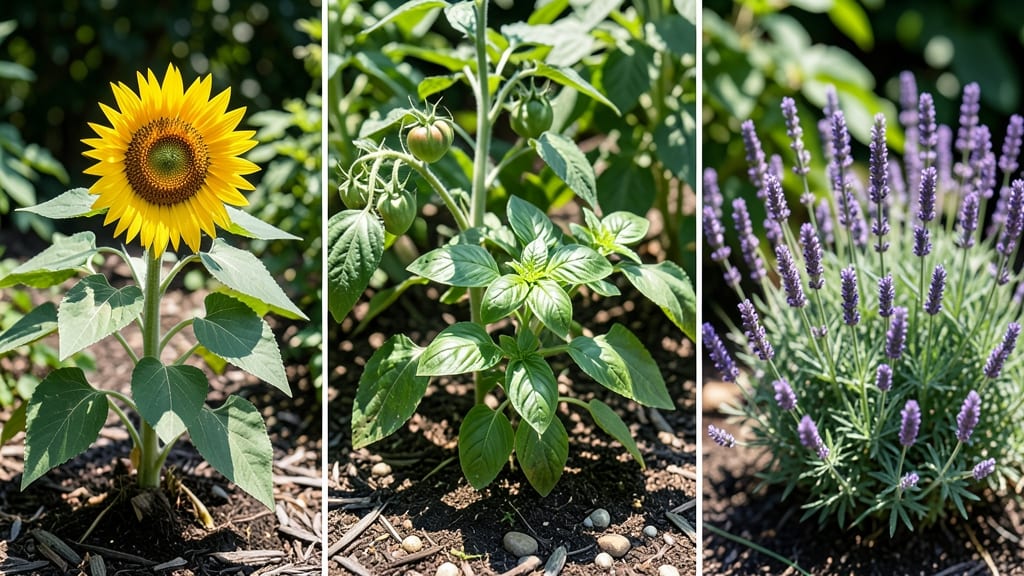
How much sunlight does a garden need? Gardens need varying sunlight amounts depending on plant types: full-sun plants require 6+ hours daily, partial-sun thrive with 3-6 hours, and shade-lovers need under 3 hours. Growing zones also influence sunlight exposure due to seasonal variations and climate factors.
Sunlight needs vary dramatically between plant types, so it's crucial to match your garden layout to your plants' natural preferences. 🌞 For instance, tomatoes and lavender crave full sun, while hostas and ferns thrive in dappled shade.
What's often overlooked is how your local climate plays a role—cooler zones may need adjustments for shorter summer days, while hotter zones might require afternoon shade protection.
I've found that even a small garden can create microclimates, so testing different spots with a simple sunlight tracker for a few weeks can save you from trial-and-error planting.
Beyond the basics, understanding your USDA growing zone helps predict seasonal sunlight shifts. For example, Zone 3 gardens get far less summer sun than Zone 10, which means shade-loving plants might actually need more light in northern climates.
Tools like reflective mulch or shade cloths can bridge the gap when natural sunlight falls short, giving you flexibility in plant placement without sacrificing growth potential.
💡 In This Article
- Sunlight Requirements by Plant Category
- Adjusting Garden Sunlight for Different Growing Zones
Sunlight requirements by plant category
Photosynthesis efficiency drops dramatically when plants receive less than their ideal light exposure. Full-sun plants like tomatoes and peppers need 6+ hours of direct sunlight daily because their chloroplasts are optimized for high-intensity light. These plants have thicker leaves with more stomata (pores) to absorb CO₂ efficiently under bright conditions.
In contrast, shade-tolerant plants like hostas or impatiens have thinner leaves with fewer stomata, designed to prevent water loss in low-light environments. 🌿
The 3-6 hour range for partial-sun plants creates a middle ground where photosynthesis remains productive without overheating. For example, herbs like basil and parsley thrive with morning sun and afternoon shade, as their delicate leaves can scorch in intense afternoon rays.
The key is balancing light exposure with temperature—most partial-sun plants can handle up to 6 hours if temperatures stay below 85°F, but wilting becomes a risk when both light and heat peak simultaneously.
Gardeners often overlook how plant stress manifests differently based on light deprivation. Full-sun plants deprived of light become leggy and pale (etiolation), while shade-lovers in too much sun develop brown patches from leaf burn.
I've seen this firsthand with ferns—when placed in full sun, their fronds crisp at the edges within days. The solution? Group plants by their light needs and rotate containers seasonally to match sunlight availability.
Here's a quick reference for common categories:
- Full-sun champions: Tomatoes, peppers, lavender, sunflowers (6+ hours)
- Partial-sun adaptors: Basil, parsley, hydrangeas (3-6 hours)
- Shade specialists: Hostas, ferns, impatiens (under 3 hours)
What's fascinating is how some plants have evolved to use indirect light more efficiently. Shade plants often have larger leaves to capture more diffuse light, while full-sun plants develop smaller, waxier leaves to reflect excess heat.
This biological adaptation explains why moving a shade plant into full sun can cause irreversible damage—its chlorophyll structure isn't built to handle the intensity. 🌱
For container gardens, even 1-2 hours of direct morning sun can be enough for shade-tolerant herbs like mint or chives, but most edible plants need at least 4 hours to produce quality harvests.
The rule of thumb? Observe your garden's light patterns for a week before planting—what seems like full sun in summer might become partial shade in winter due to lower sun angles.