
Landscaping
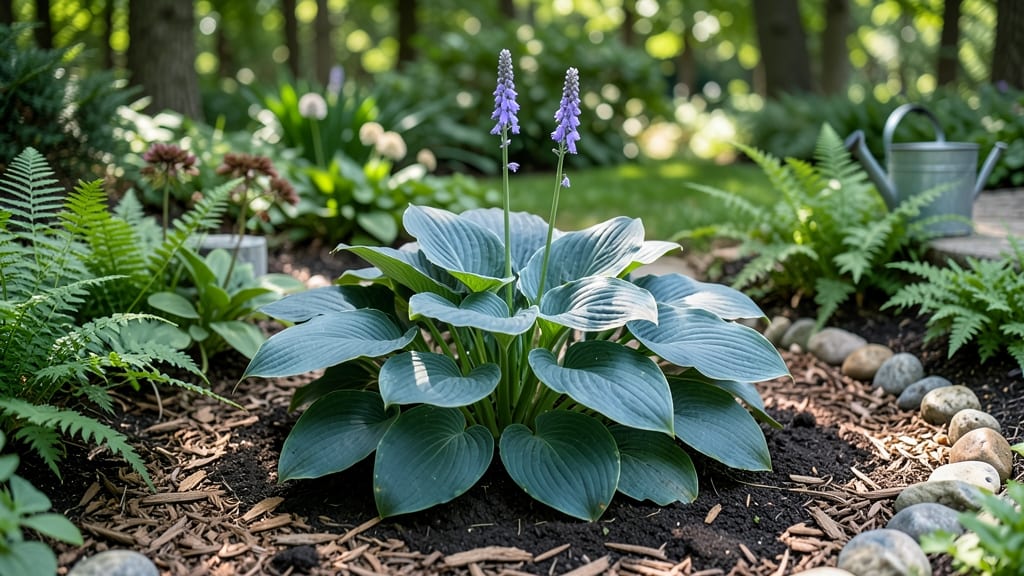
Creating shade garden ideas for Zone 6 with drought-tolerant perennials that bloom all summer is simpler than you’d expect—once you know which plants thrive in low light and minimal water.
Picture this: a shady corner that used to feel like a forgotten spot now bursting with color, texture, and life—without the fuss of constant watering or high-maintenance care. That’s the magic of the right plant choices for your Zone 6 climate.
From hostas that stay lush to astilbes that dance in the breeze, we’ll cover the top 10 perennials that turn shade into a showstopper while keeping your water bill low. No more guessing—just proven picks for a garden that feels alive year-round.
You’ll also learn how to layer plants for depth, avoid common mistakes, and keep your shade garden looking effortless—even when summer heat rolls in. Let’s make that shady spot the envy of the neighborhood!
 Best Window Placement
Top 10 drought-tolerant perennials for Zone 6 shade gardens
Creating a stunning shade garden in Zone 6 doesn’t mean sacrificing beauty or water efficiency. With the right drought-tolerant perennials, you can craft a lush, low-maintenance space that thrives in partial to full shade.
These plants not only conserve water but also provide year-round interest with their foliage, flowers, and textures.
I’ve handpicked 10 hardy perennials that excel in shady conditions while requiring minimal water once established. Whether you’re dealing with dense tree canopies or a north-facing yard, these plants will bring life to your garden without the high water bill or constant care.
Key traits to look for in shade-loving perennials include deep root systems, glossy or textured leaves, and adaptability to moist but well-drained soil. Many of these also attract pollinators and beneficial insects, adding another layer of ecological value to your garden.
| Plant | Sunlight Needs | Water Needs | Mature Size | Bloom Time | Care Tips |
|---|---|---|---|---|---|
| Hostas | Partial to full shade | Moderate (drought-tolerant once established) | 1-3 ft tall, 1-2 ft wide | Summer | Divide every 3-4 years; mulch annually |
| Astilbe | Partial shade | Moderate (keep soil moist) | 1-4 ft tall, 1-2 ft wide | Late spring to summer | Deadhead spent blooms; cut back in fall |
| Lungwort (Pulmonaria) | Partial to full shade | Low (drought-tolerant) | 1-2 ft tall, 1-2 ft wide | Early spring | Remove dead foliage in early spring |
| Hellebore (Lenten Rose) | Full to partial shade | Low (once established) | 1-2 ft tall, 1-2 ft wide | Winter to early spring | Divide clumps every 5 years; protect from slugs |
| Sedum (Stonecrop) | Partial shade | Very low (extremely drought-tolerant) | 6 in - 3 ft tall, 1-2 ft wide | Summer to fall | Prune back in early spring; well-draining soil |
| Ferns (e.g., Japanese Painted Fern) | Full to partial shade | Moderate (keep soil moist) | 1-3 ft tall, 2-3 ft wide | N/A (foliage plant) | Divide every 3-4 years
Layering your shade garden for year-round interest and pollinator appealA well-layered shade garden in Zone 6 creates depth, movement, and continuous blooms—even when sunlight is limited. The key is combining height variation, textural contrast, and sequential bloom times to keep your garden lively from spring through fall. Start with a tall backbone of shrubs or small trees, then add mid-height perennials, and finish with ground covers or low-growing annuals to fill gaps. I’ve found that drought-tolerant plants like Japanese forest grass and heuchera (coral bells) thrive in shade while attracting pollinators. Pair them with early bloomers like bleeding heart and late-season astilbes to ensure color year-round. The secret? Layering plants with different mature heights—from 1-foot ground covers to 6-foot shrubs—creates visual drama while maximizing space. Here’s how to structure your layers for Zone 6 shade gardens, with my top picks for each tier: 🌳 Top Layer (6–12 ft)
🌿 Mid Layer (2–5 ft)
🌱 Ground Layer (0–2 ft)
🐝 Pollinator Boosters
For seasonal interest, I plant early bloomers like hepatica (spring) alongside late-season astilbes (fall) to bridge gaps. Add ornamental grasses like Hakonechloa for movement and winter structure. Mulch with wood chips to retain moisture and suppress weeds—critical in Zone 6’s hot summers. Pro tip: Place taller plants toward the north or west of your shade garden to avoid blocking light from shorter varieties. Group similar water needs together (e.g., moisture-loving ferns near a drip irrigation line) to simplify maintenance. With this layered approach, your shade garden will buzz with activity—and beauty—all year. 🌿 |