
Light Requirements
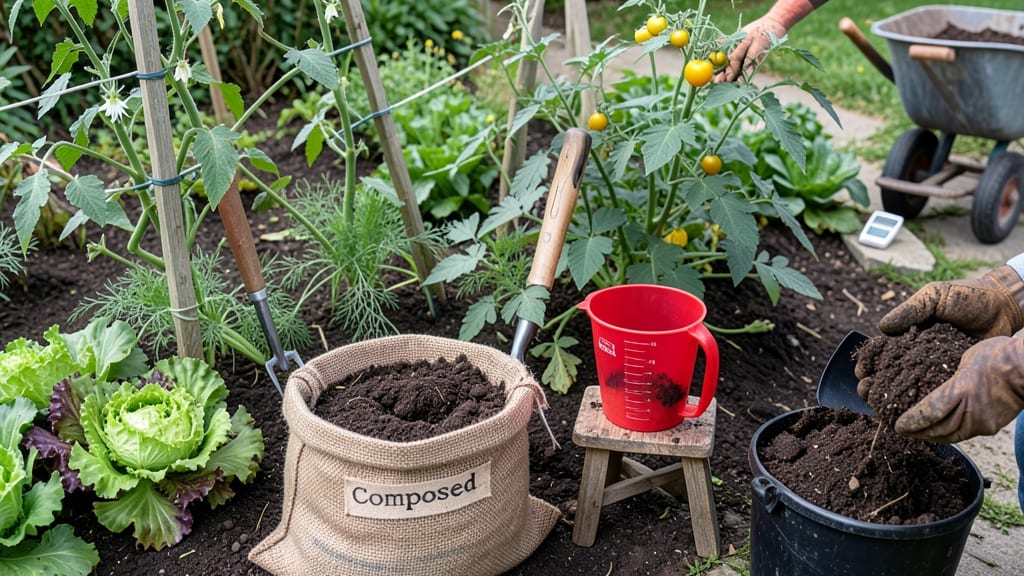
To determine how much manure to add to garden soil, use 1 part fresh manure to 3 parts soil for most plants, or 1 part composted manure to 10 parts soil. Always incorporate it evenly into the top 6 inches to prevent plant damage or pest attraction.
Fresh manure packs more nutrients but requires careful handling—too much can burn plant roots due to high ammonia levels. 🌱 I’ve found that composted manure is gentler on soil microbes and safer for plants, especially for delicate vegetables like lettuce or herbs.
The key is balancing nitrogen with carbon-rich materials like straw or leaves to create a stable, nutrient-rich blend.
For raised beds, I recommend calculating volume by layering: spread a 1-inch layer of composted manure across the bed, then mix it into the top 6 inches of soil.
This method ensures even distribution without overloading any single area. Always test your soil’s pH first—manure can shift acidity, which might stress certain plants like blueberries or azaleas.
💡 In This Article
- Manure Types and Their Ideal Soil Ratios
- Step-by-Step Guide to Mixing Manure Into Garden Beds
Manure types and their ideal soil ratios
The nitrogen content in manure varies dramatically by animal source, which directly impacts how much you should use.
Cow manure, for example, has about 0.5% nitrogen by weight, while chicken manure packs a whopping 2-4% nitrogen—that's why chicken manure is typically applied at 1 part to 20 parts soil to prevent burning plants.
The decomposition rate also differs: rabbit manure breaks down quickly (ideal for 1 part to 15 parts soil) due to its high carbon-to-nitrogen ratio, while horse manure (with 1.5% nitrogen) needs a 1 part to 10 parts soil ratio when fresh.
What you might not realize is that manure affects soil pH differently based on its source. Cow and horse manure are generally neutral to slightly alkaline, making them perfect for acid-loving plants like blueberries (which thrive in pH 4.5-5.5).
Chicken manure, however, is more acidic (pH around 6.5-7.5 when fresh) and should be composted first to stabilize its pH. The texture matters too: finely ground rabbit manure blends seamlessly into soil, while chunky horse manure requires more chopping to avoid clumping and disrupting root growth.
For vegetable gardens, I’ve found that composted cow manure at 1 part to 10 parts soil provides a balanced boost without overwhelming plants like tomatoes or peppers. These crops need steady nitrogen but can’t handle the ammonia spikes from fresh manure.
Ornamental plants like roses, however, can tolerate slightly higher ratios (1 part to 5 parts soil) because their deeper root systems can handle the nutrient density.
The key is always working manure into the top 6 inches where most roots and microbes live—this prevents nutrient runoff and ensures plants can access the goodness.
Timing your application matters just as much as the ratio. Fresh manure should be applied at least 3-4 months before planting to allow decomposition, while composted manure can be worked in just 2-4 weeks ahead. The decomposition process transforms unstable ammonia into stable nitrate forms that plants can absorb.
For example, a 5-gallon bucket of fresh chicken manure (about 1 part) would need to be mixed with 100 gallons of soil—that’s roughly a 10-foot by 10-foot garden bed at 6-inch depth. 🌱
Here’s a quick reference for common manure types and their ideal ratios:
- Cow manure: 1 part to 10 parts soil (composted) or 1 part to 3 parts soil (fresh, applied months ahead)
- Horse manure: 1 part to 10 parts soil (composted) or 1 part to 5 parts soil (fresh, for hardy plants)
- Chicken manure: 1 part to 20 parts soil (composted) or avoid fresh—it’s too potent!
- Rabbit manure: 1 part to 15 parts soil (composted or fresh, due to mild nitrogen)
The science behind these ratios comes down to microbial activity. Too much fresh manure creates an anaerobic environment where harmful bacteria thrive, while the right balance feeds beneficial microbes that break down organic matter.
Think of it like feeding your soil’s ecosystem—too much fast food (fresh manure) causes chaos, but a steady diet of composted goodness keeps everything thriving. ✨