
How To
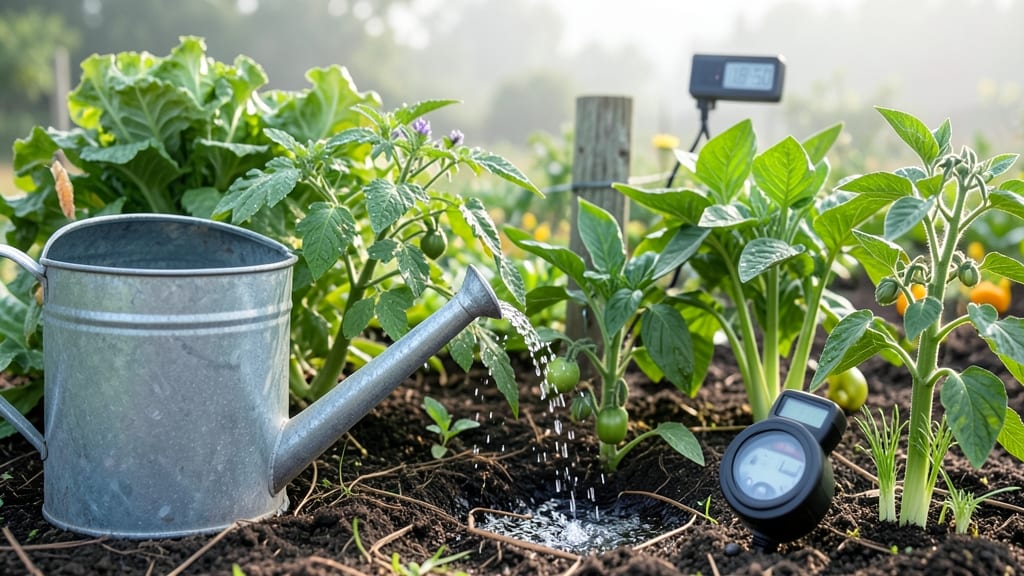
Watering your vegetable garden the right length of time is the difference between thriving 🥬 plants and wasted effort — and most gardeners guess instead of measuring.
Overwatering or underwatering your vegetable garden can ruin months of hard work, yet most gardeners don’t know the exact time needed for optimal hydration. The secret lies in understanding soil moisture dynamics, not just following a rigid schedule.
In Zone 6a, where spring planting kicks off in April, a 5-minute deep watering session might be perfect for sandy soil but disastrous for clay. Meanwhile, seedlings need shorter bursts than mature tomatoes.
Below, I break down how to time your watering by soil type, plant stage, and weather — plus the foolproof soil moisture test that saves water and keeps roots happy.
How long to water vegetables based on soil type and plant needs
Watering your vegetable garden isn't about sticking to a clock—it's about understanding your soil type and your plants' current needs. Sandy soil drains quickly, while clay holds moisture for days, and seedlings thirst differently than mature tomatoes or peppers.
Without this knowledge, you might drown your carrots or leave your lettuce wilting. Let's break down the science behind watering duration so you can give your garden the perfect balance.
The biggest mistake I see is treating all vegetables the same. A 10-minute watering for a seedling in sandy soil could flood a mature tomato plant in clay. Even the weather plays a role—windy days dry soil faster, while humid mornings slow evaporation.
The key is adapting your watering time based on these factors, not just following a generic schedule from a gardening book.
Here's the breakdown you need: watering duration varies by soil type, plant stage, and environmental conditions. For example, sandy soil might need 5-10 minutes per session, while clay soil could require 20-30 minutes—but only if the top 2 inches are dry.
Seedlings need frequent, shallow watering, while mature plants benefit from deep, infrequent soaks. Let's compare these scenarios in detail.
Watering Duration by Soil Type & Plant Stage
| Factor | Sandy Soil (Fast-Draining) | Loamy Soil (Balanced) | Clay Soil (Slow-Draining) |
|---|---|---|---|
| Seedlings (First 2 Weeks) | 5-8 minutes, twice daily | 8-12 minutes, once daily | 10-15 minutes, every other day |
| Young Plants (3-6 Weeks) | 10-15 minutes, daily | 15-20 minutes, every other day | 20-25 minutes, twice weekly |
| Mature Plants (6+ Weeks) | 20-30 minutes, every other day | 30-40 minutes, weekly | 40-50 minutes, bi-weekly |
| Environmental Adjustments | +10 min on windy days | +15 min in full sun | -10 min in humid weather |
| Soil Moisture Test | Top 1-2" dry | Top 2-3" dry | Top 3-4" dry |
Note: Adjust times based on leaf wilting or soil color—darker soil stays wet longer.
Notice how clay soil requires the longest watering sessions because it drains slowly. But here's the catch: even clay soil can become waterlogged if you don't let it dry slightly between waterings.
The 1-2 inch rule applies to all soil types—water when the top 1-2 inches feel dry to the touch. For sandy soil, this might mean daily watering, while loamy soil can go 2-3 days between sessions.
Your plants' maturity stage also dictates watering time. Seedlings have tiny roots and need frequent, light watering to keep the soil surface moist. Once they're established, deep watering encourages stronger root systems.
For example, my basil seedlings needed 5 minutes every morning, but once they hit 6 inches tall, I switched to 15-minute sessions every other day. The same goes for peppers—they're thirsty but hate soggy roots.
Don't forget about environmental factors like sun exposure and wind. A south-facing garden in full sun will dry out faster than a shaded area. On windy days, increase your watering time by 10-15% to compensate for evaporation.
I learned this the hard way when my cucumbers started wilting midday—turns out, the afternoon breeze was sapping their moisture faster than I realized. Pay attention to these cues, and your garden will thank you.
Pro tip: Use a soil moisture meter or the old-fashioned finger test to check moisture levels. Stick your finger 1-2 inches into the soil—if it feels dry, it's time to water. If it's damp, wait another day.
This simple habit saves me from both overwatering and underwatering. Overwatering leads to root rot, while underwatering causes blossom end rot in tomatoes. Neither is ideal!
For high-thirst crops like tomatoes, peppers, and corn, aim for 1-2 inches of water per week. For moisture-sensitive plants like lettuce, carrots, and onions, keep the soil consistently moist but not soggy.
The key is consistency—vegetables hate moisture swings. If you're unsure, err on the side of underwatering slightly. Most plants recover better from dry spells than from waterlogged roots.
One final adjustment: mulch can extend the time between waterings by retaining moisture. A 2-3 inch layer of straw or wood chips reduces evaporation and
The 5-Minute soil moisture test: when to stop watering for healthy roots
Most gardeners water their vegetable gardens based on a schedule, but that’s a recipe for disaster. Overwatering suffocates roots by cutting off oxygen, while underwatering stresses plants and stunts growth.
The real key? Testing soil moisture to determine when to stop watering. This simple method ensures your plants develop deep, resilient roots instead of shallow, weak ones.
I’ve learned the hard way that timing matters more than volume. A quick soil check tells you exactly when to stop—whether you’re using a finger test, a moisture meter, or just observing your plants.
The goal is to water until the soil is moist to a depth of 6 inches for most vegetables, but not soggy. Let’s break down the foolproof 5-minute test to get it right every time.
🌱 Step-by-Step Soil Moisture Test
-
Step 1: Choose Your Method
- Finger Test: Stick your index finger 1-2 inches into the soil.
- Moisture Meter: Insert probes to 6-inch depth for mature plants.
- Visual Cues: Check for wilting leaves or dry soil cracks.
-
Step 2: Test Soil Moisture
- If soil feels dry and crumbly, water until moisture reaches 6 inches deep.
- If soil is damp but not soggy, hold off on watering for another 2-3 days.
- If soil is saturated or muddy, stop watering immediately to prevent root rot.
-
Step 3: Observe Plant Responses
- Wilting leaves by midday? Water deeply until soil is moist at 2-inch depth.
- Yellowing leaves? Overwatering—reduce frequency and improve drainage.
- Soil pulling away from pot edges? Add water until soil feels evenly moist.
-
Step 4: Adjust for Soil Type
- Sandy soil: Drains fast—water 2-3 times per week for 10-15 minutes.
- Clay soil: Holds moisture—water once every 5-7 days for 20-30 minutes.
- Loamy soil: Balanced—water every 3-4 days until 6 inches deep.
-
Step 5: Time Your Watering
- Water in the early morning (before 10 AM) to reduce evaporation and fungal risks.
- Avoid watering at night—wet foliage invites pests and diseases.
- Use a soaker hose or drip irrigation to deliver water directly to roots.
I’ve tested this method in my own vegetable garden, and the results speak for themselves. My tomatoes and peppers produce larger fruits, while my leafy greens stay crisp and vibrant.
The key is consistency—don’t just water when the soil feels dry at the surface. Dig deeper to ensure roots get the hydration they need to thrive.
Pro tip: Keep a gardening journal to track soil moisture levels and plant responses. Note which days you water, how long you water for, and any changes in plant health. Over time, you’ll develop an intuitive sense of when your garden needs hydration without relying on guesswork.
This method saves water, prevents waste, and keeps your plants happy and healthy.
Remember, the goal isn’t to keep the soil constantly wet—it’s to provide deep, infrequent watering that encourages roots to grow downward. With this 5-minute test, you’ll master the art of watering and watch your vegetable garden flourish like never before. 🌱