
Blooming
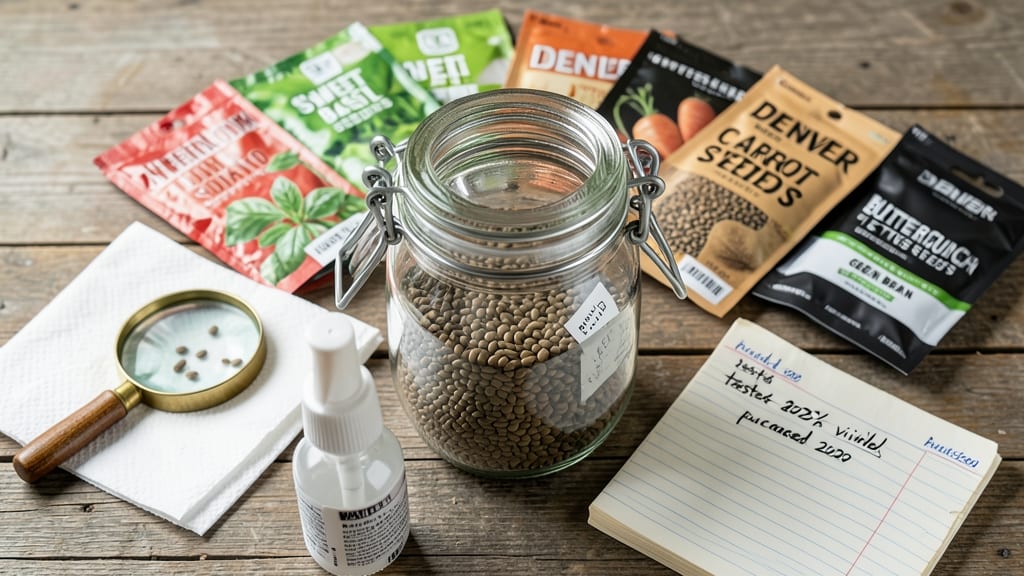
Garden seeds typically remain viable for 1 to 5 years, depending on the type—vegetables like lettuce last 1–2 years, while hardy varieties like beans or peas often stay good for 3–5 years. Store them in a cool, dry place to extend shelf life and check seed packets for printed expiration dates when available.
Knowing how long your garden seeds stay fresh is key to avoiding wasted money and poor germination. 🌱 The lifespan varies dramatically—leafy greens like spinach or arugula often lose viability within just 1–2 years, while hardy annuals such as marigolds or sunflowers can remain potent for 4–5 years.
What makes the difference? Thicker seed coats (like those on beans) act as natural moisture barriers, while thinner-coated seeds (like tomatoes) degrade faster when exposed to humidity.
Even "expired" seeds might still sprout—just with lower success rates—so testing a few in damp paper towels is always worth the effort before committing an entire packet.
Temperature plays a surprisingly big role too. Seeds stored above 40°F begin breaking down faster, while freezing temperatures can actually preserve them longer than room temperature. That's why many gardeners keep their seed collection in the fridge or freezer, especially for heirloom varieties they plan to save year after year.
The 1–5 year range is just a general guideline—proper storage can push those limits even further, making seed saving both economical and sustainable.
💡 In This Article
- Seed Viability Factors: Why Some Last Longer Than Others
- Best Storage Methods to Preserve Seed Freshness
Seed viability factors: why some last longer than others
The lifespan of garden seeds depends on their biological structure and environmental resilience. Thicker seed coats—like those on beans, peas, or sunflower seeds—act as natural barriers against moisture and oxygen, which slow down metabolic activity inside the seed.
These hardy varieties can maintain viability for 3-5 years because their protective layers reduce exposure to degradation factors. In contrast, thin-coated seeds like lettuce or tomato have less protection, making them more susceptible to humidity and temperature fluctuations.
Moisture is the silent enemy of seed longevity. Even small amounts of humidity trigger enzymatic activity that accelerates aging. For example, onion seeds stored at 60% humidity lose viability twice as fast as those kept below 30% humidity.
The seed's internal water content also matters—dormant seeds with 5-10% moisture remain stable for years, while those with higher moisture content degrade within months. This is why proper drying after harvest is critical for long-term storage.
Temperature creates another critical divide. Seeds stored above 70°F experience metabolic rates up to 10x faster than those kept at 32-40°F. The ideal storage temperature mimics natural winter conditions where seeds would remain dormant in the ground.
Freezing temperatures (0-32°F) can actually preserve seeds for decades in some cases, though rapid temperature swings cause more damage than steady cold. This explains why basement storage (typically 50-60°F) outperforms kitchen cabinets.
Light exposure also plays a subtle but important role. Many seeds, particularly vegetables like carrots or beets, contain pigments that break down when exposed to light, accelerating aging. That's why opaque containers are preferred over clear ones.
Even indirect light can reduce viability by 15-20% over a year compared to complete darkness. The combination of proper moisture control, stable temperature, and light protection creates the perfect preservation trifecta for extending seed life.
Here's how different seed types compare in their natural longevity:
- Fast-aging seeds (1-2 years): Lettuce, spinach, arugula, tomatoes, peppers (thin seed coats, high moisture sensitivity)
- Moderate seeds (2-3 years): Carrots, beets, cucumbers, zucchini (moderate protection, average moisture content)
- Long-lasting seeds (3-5+ years): Beans, peas, sunflowers, marigolds (thick seed coats, low metabolic activity)
The key takeaway is that seed viability isn't just about time—it's about creating the right environmental conditions to slow down the natural aging process. With proper storage, even "expired" seeds can sometimes surprise you with good germination rates, making seed saving both practical and rewarding. 💫