
Tools
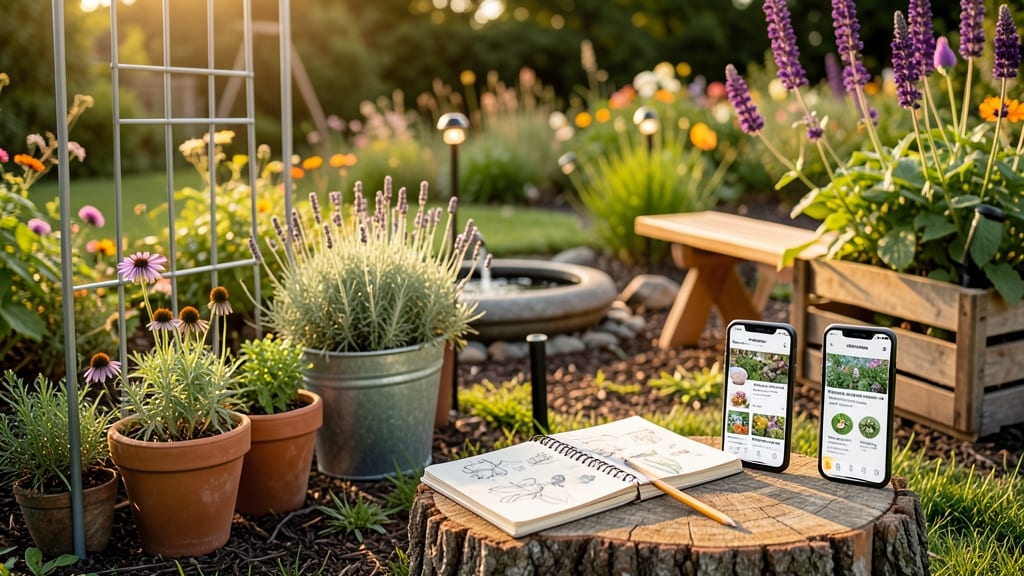
This year's top home and garden trends focus on regenerative landscaping, vertical gardening systems, and native plant revival, all designed to boost sustainability, maximize small spaces, and support local ecosystems. Indoor microgreens and edible gardens continue dominating urban gardening solutions.
These trends reflect a growing awareness of how our outdoor spaces can actively contribute to environmental health while meeting practical needs. 🌱 Regenerative landscaping, for example, goes beyond traditional gardening by focusing on rebuilding soil ecosystems—something especially valuable in drought-prone regions where water conservation is critical.
Vertical gardening systems have exploded in popularity because they transform balconies and walls into productive growing areas, perfect for city dwellers with limited yard space.
What's particularly exciting is how these trends intersect with technology. Smart irrigation systems and soil sensors now make it easier than ever to maintain native plants with minimal effort, while microgreen kits have become so user-friendly that even beginners can grow fresh herbs year-round.
The best part? Many of these solutions offer long-term cost savings by reducing water usage and eliminating the need for chemical fertilizers.
💡 In This Article
- Why 2024’s Garden Trends Prioritize Sustainability and Biodiversity
- How to Adapt These Trends to Your Space and Budget
Why 2024’s garden trends prioritize sustainability and biodiversity
This year’s garden trends aren’t just about aesthetics—they’re rooted in ecological science that proves how small changes yield big environmental benefits. Take regenerative landscaping, for instance: unlike traditional gardening, this approach focuses on soil regeneration by using cover crops, compost, and minimal tilling.
Studies from the Rodale Institute show that regenerative practices can sequester up to 1 ton of carbon per acre annually while improving water retention by 30-50% in drought-prone areas. The key mechanism?
Healthy soil microbes break down organic matter, creating a sponge-like structure that holds moisture and nutrients far better than compacted or chemically treated soil.
Native plant revival is another game-changer, driven by water conservation and pollinator support. Native species like coneflowers, milkweed, and black-eyed Susans have evolved to thrive in local climates, requiring up to 50% less water than non-native ornamental plants.
The U.S. Fish & Wildlife Service reports that native gardens can support 20-30% more pollinators (like bees and butterflies) than traditional lawns. What’s fascinating is how these plants form symbiotic relationships with local fungi and microbes, creating self-sustaining ecosystems that reduce the need for synthetic fertilizers.
Vertical gardening systems address the urban space crisis by turning walls and balconies into productive growing areas. Research from MIT’s CityForm Lab demonstrates that vertical gardens can increase growing space by 10-20 times compared to ground-level plots in small apartments.
The secret lies in hydroponic and aeroponic setups, which use 90% less water than soil-based gardening by delivering nutrients directly to roots. For example, a 10-square-foot vertical planter can yield the same produce as a 100-square-foot traditional garden—a game-changer for city dwellers.
What most people don’t realize is how these trends save money long-term. Regenerative landscaping cuts water bills by 40% through improved soil structure, while native plants eliminate the need for expensive pesticides.
Vertical gardens reduce grocery costs by $500-$1,000 annually for urban families who grow their own herbs and veggies. The U.S. EPA even estimates that home gardens can reduce household carbon footprints by up to 15% when managed sustainably.
For those skeptical about the effort, smart technology now makes these trends accessible. Soil sensors like the AcuRite Atlas monitor moisture levels in real-time, while drip irrigation systems (starting at $50) automate watering for native plants.
Even microgreens—tiny but mighty—can be grown in LED grow lights (like the iDOO Grow Light) that use 70% less energy than traditional bulbs. The result? Year-round harvests with minimal space or sunlight.
Here’s the bottom line: these trends aren’t just passing fads—they’re data-backed solutions to climate challenges. Whether you’re reviving soil health, supporting pollinators, or maximizing urban space, each choice contributes to a healthier planet and a lighter wallet.
The best part? You don’t need a green thumb to start—just a willingness to experiment. 🌱