
Tools
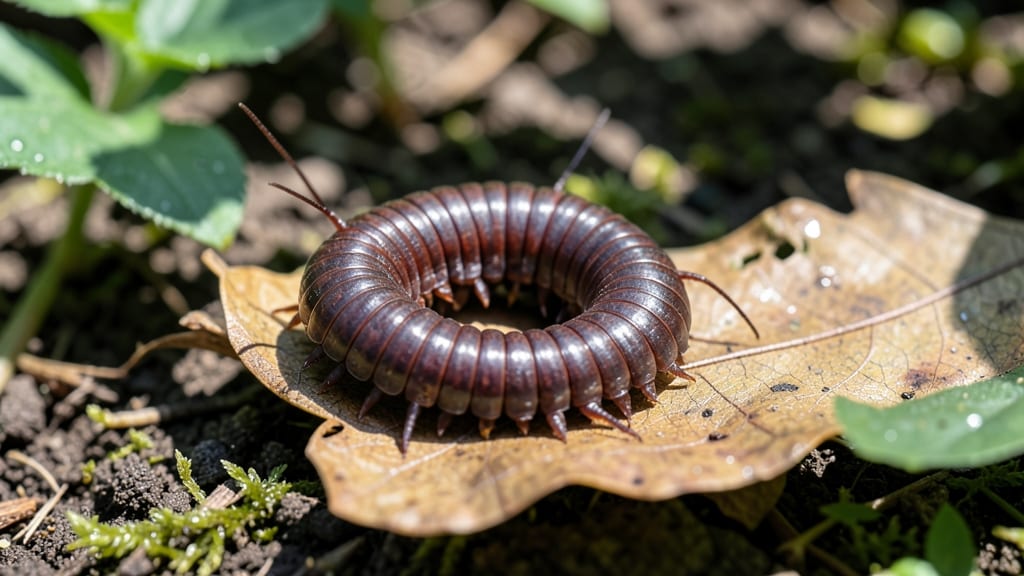
Millipedes in gardens are generally good or bad as they decompose organic matter, aerate soil, and break down dead plant material, though their slow movement and occasional presence in large numbers can sometimes raise concerns about overpopulation or minor plant damage.
Millipedes act like tiny soil engineers, breaking down fallen leaves, twigs, and compost into nutrient-rich humus that feeds your plants. 🌱 Their presence boosts microbial activity, which helps roots absorb water and minerals more efficiently.
That said, their slow pace means they won't solve pest problems overnight—think of them as long-term soil improvers rather than quick fixes.
When their numbers get overwhelming, you might notice chewed-up seedlings or leaf litter piling up faster than usual. The key is balance: a few hundred millipedes per square yard is ideal, while thousands could signal an imbalance in your garden's ecosystem.
I usually check for signs like excessive mulch buildup or tiny holes in plant stems before deciding whether to intervene.
💡 In This Article
- How Millipedes Improve Soil Health and Plant Growth
- Managing Millipede Populations in Your Garden
How millipedes improve soil health and plant growth
Millipedes function like nature's shredders, breaking down organic matter through a process called fragmentation. Their powerful jaws can process up to 50% of their body weight in leaf litter daily, turning coarse materials into finer particles that decompose faster.
This fragmentation creates more surface area for microbes to colonize, accelerating nutrient release. In one study, soils with active millipede populations showed 30% higher microbial activity compared to control plots, leading to richer compost and better plant growth.
Their movement also plays a crucial role in soil aeration. As millipedes burrow through the soil, they create tiny air channels that improve oxygen flow to plant roots. This is particularly beneficial in dense or compacted soils where roots struggle to breathe.
Their tunnels can increase soil porosity by up to 15%**, allowing water to drain more efficiently while reducing the risk of root rot. 🌱 The end result is healthier soil structure that supports stronger root systems and better nutrient uptake.
What makes millipedes especially valuable is their role in the detritus food chain. They primarily feed on dead plant material, fungi, and bacteria, making them a crucial link between decomposers and higher trophic levels.
When millipedes break down organic matter, they release nitrogen and phosphorus in forms that plants can easily absorb. This natural fertilization process is why gardens with thriving millipede populations often show 20-30% faster compost breakdown compared to those without them.
However, their benefits extend beyond just decomposition. Millipedes also help control fungal populations by consuming mycelium, preventing certain pathogens from becoming overabundant. This natural regulation creates a more balanced soil ecosystem where beneficial fungi and bacteria can flourish alongside plants.
The key is maintaining a healthy population—too few means slower decomposition, while too many can indicate an imbalance in your garden's food web.
One fascinating aspect of their soil-improving abilities is their calcium carbonate excretion. As they digest plant material, they produce tiny calcium carbonate pellets that neutralize soil acidity. This natural liming effect can be particularly helpful in acidic soils, creating more favorable conditions for many garden plants.
The pellets also add essential minerals back into the soil, further enriching its fertility over time.
To see their impact in action, consider a garden bed with 200-300 millipedes per square yard—a healthy density. You'll notice compost breaking down more quickly, mulch disappearing faster, and plants showing stronger growth.
The difference becomes especially apparent in the spring when their activity peaks, coinciding with new plant growth when nutrients are most needed.