
Tools
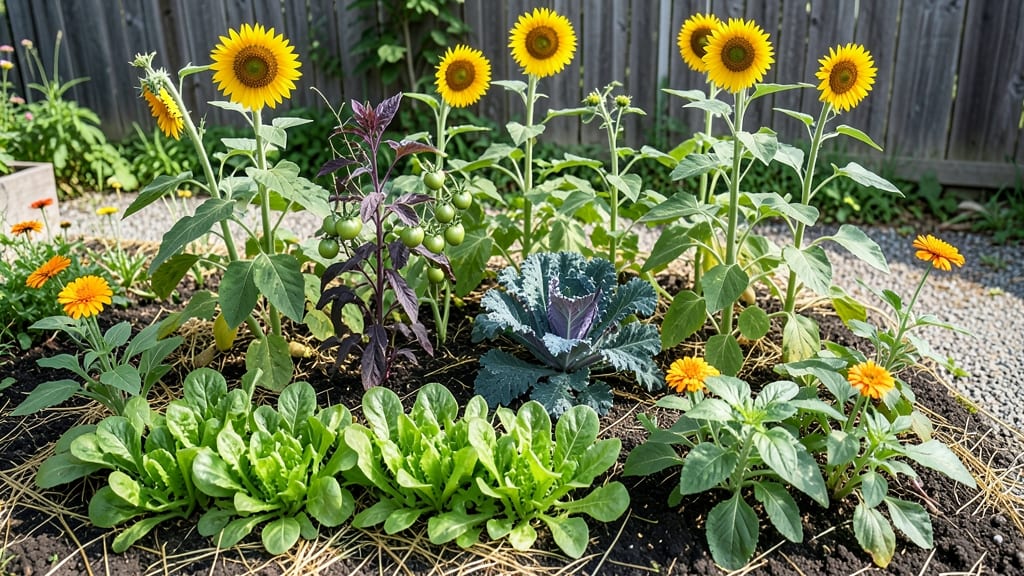
Joining the Hayward Community Garden gives you access to gardening plots, educational workshops, and shared equipment while promoting eco-friendly practices in the community. The process involves paying a membership fee, submitting an application, attending an orientation session, and then receiving your plot assignment for the season. This year, prioritize growing drought-resistant plants like tomatoes, peppers, and herbs to thrive in Hayward's warm, dry climate.
The Hayward Community Garden is more than just a place to grow food—it's a hub for learning and collaboration. 💫 The orientation sessions cover everything from soil testing to pest management, giving you the confidence to succeed even if you're new to gardening.
What sets this garden apart is its focus on sustainability, with shared tools and resources designed to minimize waste while maximizing yield. Plus, the community aspect means you'll have neighbors to swap tips with and share in the harvest.
For first-time members, I recommend arriving early for plot selection—popular spots go fast, especially the ones with afternoon shade. The garden staff also offers beginner-friendly workshops on composting and water conservation, both critical skills for Hayward's dry summers.
And don't overlook the social events: from seed swaps to harvest festivals, these gatherings are where you'll meet fellow green thumbs and discover new planting techniques.
💡 In This Article
- Understanding Hayward Community Garden Membership Requirements
- Best Crops for Hayward’s Climate This Growing Season
Understanding Hayward community garden membership requirements
Joining the Hayward Community Garden starts with an application process designed to match members with suitable plots based on experience and gardening goals. The standard membership fee is $45 per season, which covers plot access, shared tool usage, and workshop participation.
This fee helps fund the garden's infrastructure, including irrigation systems and composting programs. What's unique about Hayward's system is their tiered plot options: beginner plots (10x10 feet) are ideal for first-timers, while experienced plots (20x20 feet) accommodate larger harvests. 🌱
The plot assignment timeline follows Hayward's planting calendar, with orientations held in late February and plot assignments made by mid-March—critical timing given Hayward's average last frost date of March 15.
New members receive a soil test kit to assess their plot's pH and nutrient levels, with results showing Hayward's soil typically ranges from 6.0-6.5 (slightly acidic). The garden provides compost to adjust pH, but members must commit to maintaining their plot's health throughout the season.
Preparing your plot begins with removing weeds and incorporating the provided compost (about 2-3 inches depth). Hayward's climate—with hot, dry summers (85-95°F) and mild winters (45-55°F)—means mulching is essential to retain moisture. The garden supplies straw mulch, but members often supplement with wood chips for better weed suppression.
What most people overlook is the importance of installing drip irrigation early; Hayward's water restrictions make efficient systems a must. 💧
Advanced members can request raised beds or trellis systems, which work particularly well for vining crops in Hayward's compact urban plots. The garden also offers a "tool library" where members can borrow items like trowels, pruners, and even small tractors for larger plots.
This shared resource reduces individual costs and promotes sustainability—a core value of the Hayward Community Garden. The orientation sessions cover these details, but I've found that reviewing the garden's planting calendar beforehand helps members plan their season more effectively.
One often-missed requirement is the plot maintenance agreement, which requires members to keep their space active (planted) for at least 60% of the growing season. This prevents plot hoarding and ensures resources are available to all.
The garden staff conducts mid-season inspections to verify compliance, making it clear that membership comes with both privileges and responsibilities. For those new to gardening, this structure provides valuable accountability while building confidence through community support. 🌿
Consider this timeline for first-time members: Apply by January 31, attend orientation in late February, receive your plot by March 15, and begin planting by April 1. The garden's website includes a plot map showing sun exposure patterns—critical for selecting the right location for your crops.
Hayward's afternoon sea breezes create microclimates where some plots receive 6+ hours of direct sun while others get partial shade, making plot selection a strategic decision.