
Flowers
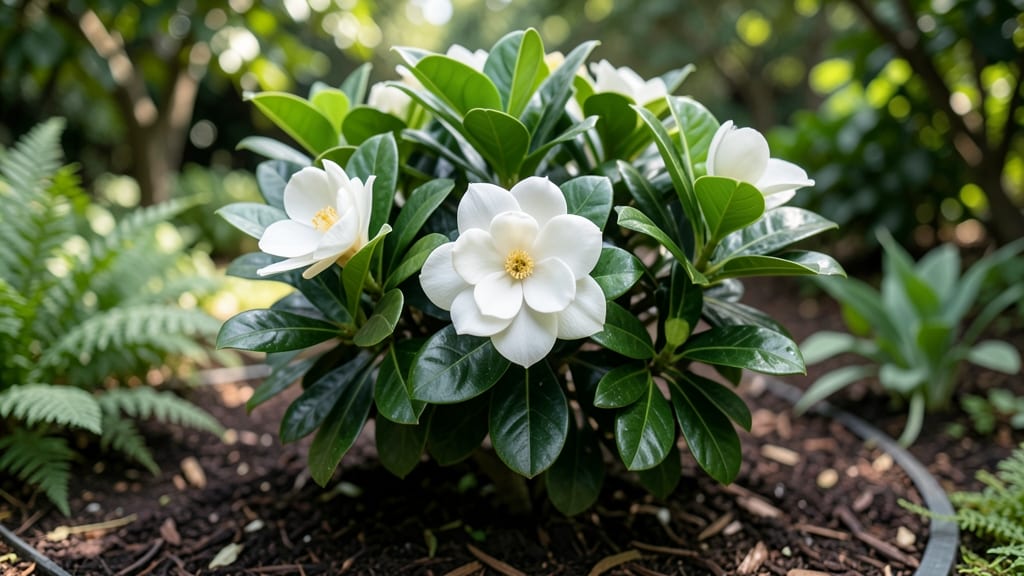
Growing gardenias in Texas requires acidic soil, shade protection, and steady moisture to combat the state's alkaline conditions and intense heat. Opt for heat-resistant varieties like ‘Radicans’ or ‘Kleim’s Hardy’ and adjust soil pH to 5.0-6.5 using sulfur or peat moss for vibrant blooms.
Texas's naturally alkaline soil and scorching summers make gardenia care tricky, but these fragrant bloomers can thrive with the right approach. 🌸 The key is mimicking their native tropical conditions—think dappled shade, well-draining soil, and consistent watering without soggy roots.
I've found that planting in containers gives you more control over soil acidity and moisture levels, especially in areas with extreme heat. For in-ground plantings, focus on amending the soil with organic matter and using mulch to retain moisture while keeping roots cool.
One common mistake is assuming gardenias need full sun like many Texas natives—they actually prefer afternoon shade to prevent leaf scorch. 🌿 Pruning after blooming helps maintain shape and encourages new growth, but avoid heavy cuts in summer when the plant is already heat-stressed.
With these adjustments, you can enjoy those classic gardenia blooms even in the Lone Star State!
💡 In This Article
- Texas Heat and Soil Challenges for Gardenias
- Step-by-Step Texas Gardenia Planting and Care Guide
Texas heat and soil challenges for gardenias
Texas's naturally alkaline soil—often registering pH 7.5-8.5—poses a major challenge for gardenias, which thrive in acidic conditions between pH 5.0-6.5. When soil pH rises above 7.0, aluminum and iron become less available to plants, disrupting nutrient uptake critical for blooming.
Gardenias also struggle with Texas's intense heat, as temperatures above 90°F can cause leaf scorch and stress the plant's energy reserves, diverting resources away from flower production. The combination of alkaline soil and high temperatures creates a double whammy that stunts growth and reduces blooms.
The root system of gardenias is particularly sensitive to these conditions. In alkaline soil, the roots can't absorb enough phosphorus and iron, leading to yellowing leaves (chlorosis) and weakened stems. 🌡️ Heat exacerbates this by increasing evaporation rates, forcing plants to work harder to pull moisture from already nutrient-poor soil.
This stress triggers a survival response where the plant prioritizes root and leaf maintenance over producing flowers—a common reason gardenias in Texas fail to bloom despite proper care. The scientific term for this nutrient imbalance is "nutrient lockout," where essential minerals bind to soil particles and become inaccessible.
Another critical factor is the plant's native habitat. Gardenias originate from tropical and subtropical regions where they experience high humidity and partial shade. Texas's dry heat and full-sun exposure mimic these conditions poorly, leading to dehydration and sunburn.
The waxy leaves of gardenias, while protective, can still develop brown edges when exposed to prolonged afternoon sun—a clear sign of heat stress.
This is why selecting heat-tolerant varieties like ‘Radicans’ or ‘Kleim’s Hardy’ is essential; these cultivars have thicker cuticles and deeper root systems that better withstand Texas's climate extremes.
To combat these challenges, gardeners must focus on three key adjustments: soil acidification, shade provision, and moisture management. Amending soil with elemental sulfur or peat moss lowers pH gradually, while mulching retains soil moisture and cools roots.
The goal is to create a microclimate that mimics the plant's natural environment, where it can allocate energy toward blooming rather than survival. Without these adjustments, gardenias in Texas often become stunted, with fewer and smaller flowers—a far cry from their lush, fragrant potential.
Consider this comparison: A gardenia in ideal conditions (acidic soil, partial shade, consistent moisture) can produce dozens of blooms per season, while one struggling in alkaline Texas soil may produce only a handful.
The difference lies in the plant's ability to access nutrients and manage stress—factors entirely within your control through proper soil preparation and care. 🌿 The payoff? Fragrant, long-lasting blooms that transform your Texas landscape into a tropical oasis.
For those dealing with existing alkaline soil, a soil test is your first step. Many Texas gardeners achieve success by planting gardenias in raised beds or containers filled with acidic potting mix, giving them complete control over soil chemistry.
This approach eliminates the guesswork and ensures the plant's roots receive the ideal growing conditions year-round.