
Aphids
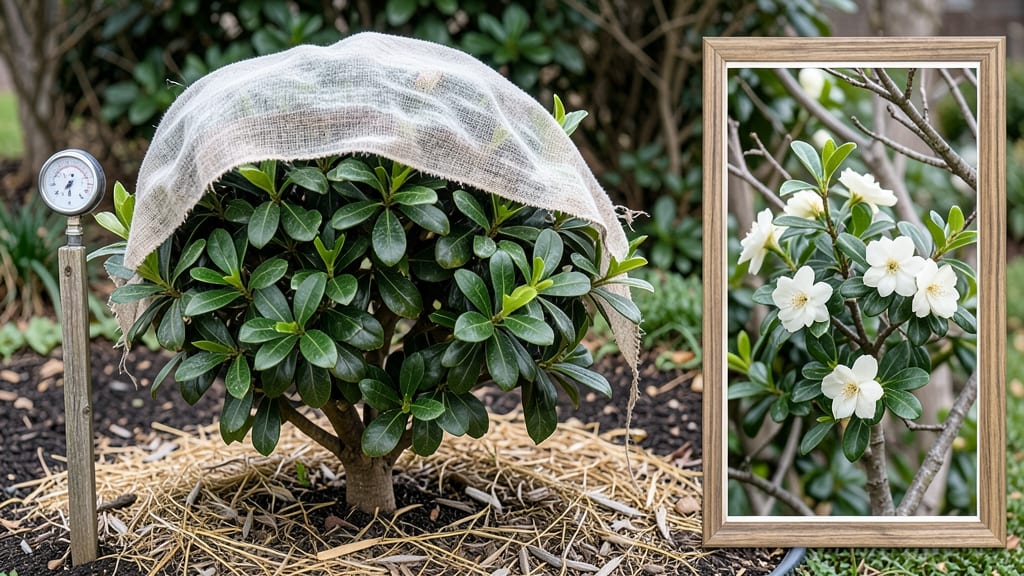
Gardenia plants are not winter hardy and typically survive only in USDA zones 8-11, where temperatures rarely drop below 10°F (-12°C). In colder climates, they require indoor overwintering or heavy protection to prevent frost damage and leaf drop.
Gardenia plants struggle with cold because their tropical origins mean they can't handle prolonged exposure to freezing temperatures. 🌱 Even a brief dip below 32°F (0°C) can cause irreversible damage to leaves and buds, while roots may suffer in prolonged cold.
If you're in zones 7 or lower, moving potted gardenias indoors before the first frost is your best bet—just keep them in bright, indirect light and maintain 50-60% humidity to mimic their natural environment.
For gardeners in marginal zones (7-8), heavy mulching with 4-6 inches of straw or leaves around the base can provide some protection, but you'll still need to monitor for early signs of stress like yellowing foliage or bud drop.
I've found that wrapping containers in bubble wrap or using frost cloths during unexpected cold snaps makes a noticeable difference in survival rates.
💡 In This Article
- Gardenia Cold Tolerance Limits by Zone
- Protecting Gardenias in Cold Climates: Step-by-Step Winter Care
Gardenia cold tolerance limits by zone
Gardenia plants originate from tropical and subtropical regions, which means their cells lack the protective mechanisms that allow hardy plants to survive freezing temperatures. The key threshold is 10°F (-12°C), where even brief exposure can trigger cellular damage through ice crystal formation in leaves and stems.
In USDA zones 8-11, gardenias thrive year-round because winter temperatures rarely dip below this critical point, allowing them to maintain active growth patterns.
The damage mechanism differs between foliage and roots. Leaves and buds show immediate signs of stress when temperatures fall below 32°F (0°C), exhibiting brown spots or wilting within hours. Roots, however, require prolonged exposure to -5°F (20°C) before suffering irreversible harm.
This explains why gardenias in zone 7 may survive brief cold snaps but often lose foliage—roots remain intact while above-ground growth is sacrificed. 🌿
What makes gardenias particularly vulnerable is their inability to enter true dormancy like temperate plants. Instead of conserving energy during winter, they continue metabolic processes that become unsustainable in cold conditions.
For example, a gardenia in zone 6 might survive a 20°F (-7°C) night if roots are insulated, but buds will drop off permanently because the plant can't redirect energy to protect them. This is why even "mild" winters in colder zones can be devastating.
Comparing gardenias to more cold-tolerant tropical plants like hibiscus (zone 7) highlights their fragility. Hibiscus can handle 20°F (-7°C) with proper protection, while gardenias begin showing stress at 30°F (-1°C). The difference lies in hibiscus's thicker stems and deeper root systems that store more water and nutrients for recovery.
Gardenias, with their delicate, glossy leaves and thin stems, simply can't compete in sub-freezing conditions without human intervention.
For gardeners pushing the limits in zone 7, the magic number is 25°F (-4°C)24-48 hours of exposure to 20°F (-7°C) or lower.