
Planting
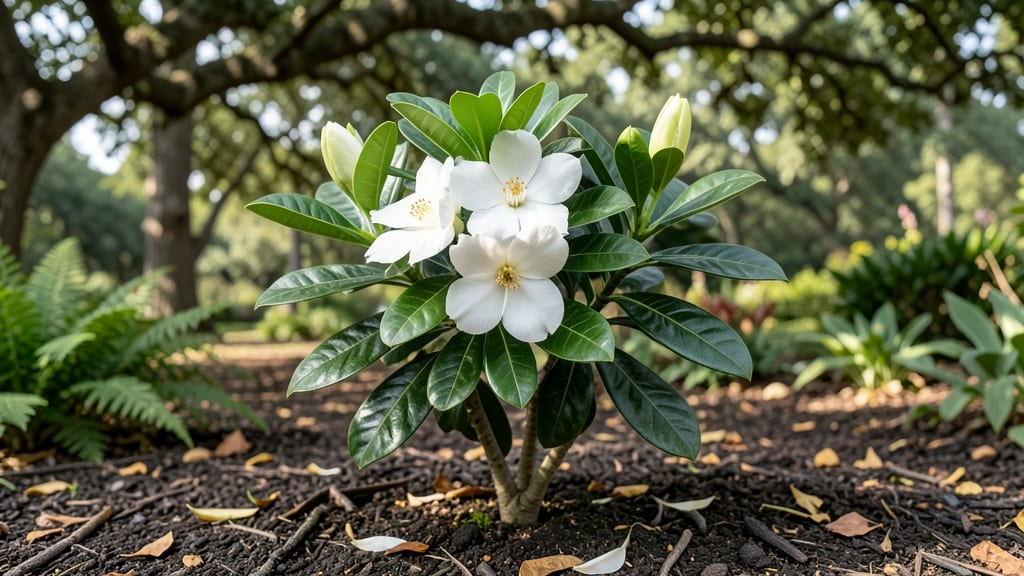
Gardenia plants thrive in USDA hardiness zones 8 through 11, with cold sensitivity below 30°F (–1°C), making frost a critical threat to their survival unless protected or grown in containers for seasonal relocation.
These tropical beauties evolved in warm climates where temperatures rarely dip below 50°F (10°C), so even brief exposure to frost can cause irreversible damage to their delicate leaves and buds. 🌸 The key to growing gardenias outside their ideal range is understanding their physiological limits—their roots, stems, and flowers all suffer when temperatures drop, often resulting in blackened foliage or failed blooms.
If you're in zone 7 or colder, your best bet is to choose cold-hardy varieties like Gardenia jasminoides 'Kleim's Hardy' or grow them in containers that you can move indoors before winter.
For gardeners in marginal zones, creating a microclimate near a south-facing wall or using thick mulch around the base can provide just enough protection to extend the growing season.
I've found that even a 10°F (5°C) difference from the surrounding area can mean the difference between a thriving plant and a frost-killed one.
The goal is to mimic their natural tropical environment as closely as possible—consistent warmth, high humidity, and shelter from wind all play crucial roles in their survival.
💡 In This Article
- How Cold Temperatures Affect Gardenia Survival
- Gardening Strategies for Zones 7 and Below
How cold temperatures affect gardenia survival
Gardenia plants originate from tropical regions where temperatures rarely drop below 50°F (10°C), making their delicate physiology highly sensitive to cold. When exposed to 30°F (–1°C) or lower, ice crystals form within their cells, rupturing membranes and causing irreversible damage.
This is particularly critical for their broad, leathery leaves, which act as solar collectors—when frost hits, they blacken and crisp within hours, while buds often fail to open or turn brown.
The roots are even more vulnerable, as they lack protective bark and rely on consistent warmth to absorb nutrients. At 28°F (–2°C), root systems begin to suffer from chilling injury, where cell walls break down and prevent water uptake.
This explains why gardenias in zones 8-11 thrive naturally: their tropical ancestors evolved in environments where daytime highs reach 85-95°F (29-35°C) and nights rarely fall below 65°F (18°C). Even a single night below 40°F (4°C) can trigger dormancy-like stress responses, stunting growth or preventing flowering.
What makes this especially challenging is how cold affects different parts of the plant at varying thresholds. Leaves may show frost damage at 32°F (0°C), while buds often fail to open if nighttime temps drop to 45°F (7°C) during their development phase.
The flowers themselves contain high concentrations of volatile oils that become unstable in cold air, causing petals to brown prematurely. This explains why gardenias in zone 7 gardens often produce fewer blooms or none at all—even if the plant survives the winter.
To understand why zones 8-11 are ideal, consider that these regions provide 240-300 frost-free days annually, closely matching gardenia's natural growing conditions. In contrast, zone 7 averages only 180-220 frost-free days, leaving plants exposed to dangerous temperature swings.
The key physiological mechanism here is cold acclimation: gardenias simply can't adapt to seasonal temperature drops like temperate plants, which is why they require year-round warmth or protective measures.
One often overlooked factor is how wind exacerbates cold damage. Even at 35°F (2°C), a 10 mph (16 km/h) breeze can lower the plant's perceived temperature by 5-10°F (3-6°C) due to wind chill, accelerating cell damage.
This is why gardeners in marginal zones must prioritize shelter when growing these tropical plants. The combination of cold sensitivity, shallow root systems, and wind vulnerability creates a perfect storm for gardenia failure outside their ideal range.
For visual learners, imagine this: a gardenia leaf in 30°F (–1°C) weather looks like it's been dipped in ink—blackened veins and crisp edges within minutes. The buds, which should be velvety white, turn brown and papery.
This dramatic reaction isn't just cosmetic; it's a clear sign of cellular collapse. The plant's survival instincts kick in by shutting down growth processes, but this comes at the cost of next year's blooms.
The bottom line? Gardenias need warmth to function. Their entire biology—from photosynthesis to flowering—is optimized for tropical conditions. Without protection, even a single frost can set back growth by months or kill the plant entirely.
This is why understanding these physiological limits is the first step to successfully growing gardenias outside their native range.