
Size
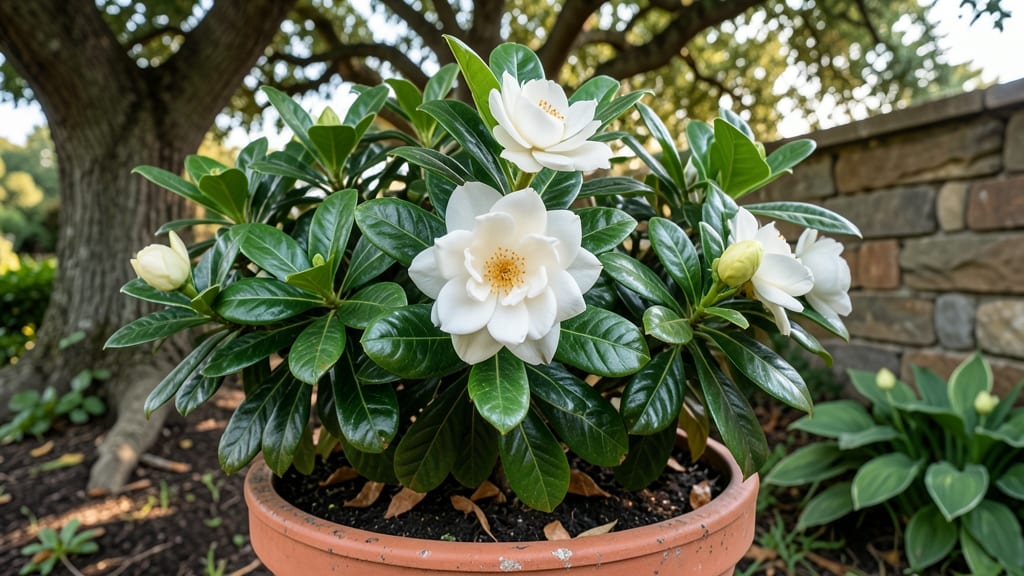
The growth rate of gardenia plants is slow, typically taking 2 to 5 years from seed to full maturity, though cuttings may bloom within 1 to 2 years. Optimal conditions like bright indirect light, acidic soil, and steady moisture significantly speed up development, while poor care can delay growth dramatically.
Gardenia plants are famous for their fragrant blooms, but their growth rate reflects their delicate nature. 🌿 The timeframe from seed to flowering depends heavily on environmental factors—gardenias thrive in partial shade where they receive filtered sunlight, which prevents leaf burn while still fueling photosynthesis.
Soil pH between 4.5 and 6.0 is critical, as gardenias struggle to absorb nutrients in alkaline conditions. Temperature also plays a role: consistent warmth between 60°F and 75°F encourages steady growth, while cold snaps can shock the plant and set back progress for months.
For gardeners eager to see faster results, propagation through cuttings is the way to go. Unlike seeds, which take years to mature, cuttings from established plants can establish roots and bloom within just 1 to 2 years.
This method skips the slow early stages of seed germination, giving you flowers sooner. However, even with cuttings, neglecting watering or fertilization can still slow growth—these plants need consistent moisture to support their lush foliage and vibrant blooms.
💡 In This Article
- How Light, Soil, and Climate Impact Gardenia Growth Speed
- Pruning and Care Tips to Boost Gardenia Growth Rates
How light, soil, and climate impact gardenia growth speed
Gardenias grow best in bright, indirect light because their leaves are sensitive to direct sunlight, which can cause leaf scorch. The ideal spot mimics their natural habitat under tall trees, where they receive dappled sunlight—about 4-6 hours of filtered light daily.
This balance allows their leaves to perform photosynthesis efficiently without overheating. In full sun, chlorophyll production slows, and the plant diverts energy to protect itself, stunting growth. Conversely, too little light leads to leggy stems and fewer blooms, as the plant stretches toward any available light source.
The soil's acidity is another critical factor, with gardenias thriving in a pH range of 4.5 to 6.0. At this pH, their roots can absorb essential nutrients like iron and manganese more effectively.
For example, iron deficiency—common in alkaline soils—causes yellowing leaves (chlorosis), which weakens the plant and slows growth. To maintain the right pH, gardeners often amend soil with sulfur or peat moss, creating an environment where roots can expand and access nutrients efficiently.
Without proper acidity, gardenias may take up to twice as long to mature, as their energy is wasted fighting nutrient deficiencies.
Temperature also plays a surprising role in growth speed. Gardenias prefer consistent warmth between 60°F and 75°F, as cooler temperatures slow metabolic processes. Below 50°F, growth nearly halts, and leaves may drop to conserve energy.
In contrast, temperatures above 80°F can stress the plant, leading to fewer blooms and slower leaf development. Humidity is equally important—gardenias thrive in environments with 50-70% humidity, as low humidity causes buds to dry out before opening.
In dry climates, misting leaves or using a humidity tray can help maintain optimal conditions, ensuring steady growth and faster flowering.
Seasonal changes also affect growth cycles. Gardenias enter a dormant phase in winter, where growth slows significantly. During this time, they focus energy on root development rather than foliage or blooms. Understanding this natural rhythm helps gardeners avoid over-fertilizing in winter, which can lead to weak, leggy growth.
In spring and summer, when temperatures and humidity are ideal, gardenias can grow up to 12 inches per year under perfect conditions—though this rate varies based on care and genetics. For instance, tropical gardenia varieties like Gardenia jasminoides grow faster than their subtropical cousins.
Climate also influences whether gardenias grow as shrubs or small trees. In warm, humid climates like Florida or Hawaii, gardenias often grow as multi-stemmed shrubs with dense foliage, while in cooler regions, they may develop a single trunk with slower growth.
This structural difference isn’t just aesthetic—it affects how quickly the plant can support heavy blooms. A well-supported shrub structure distributes weight evenly, allowing the plant to produce more flowers without straining its branches.
For gardeners in cooler zones, choosing dwarf varieties or providing winter protection can help maintain a faster growth rate year-round.