
Light Requirements
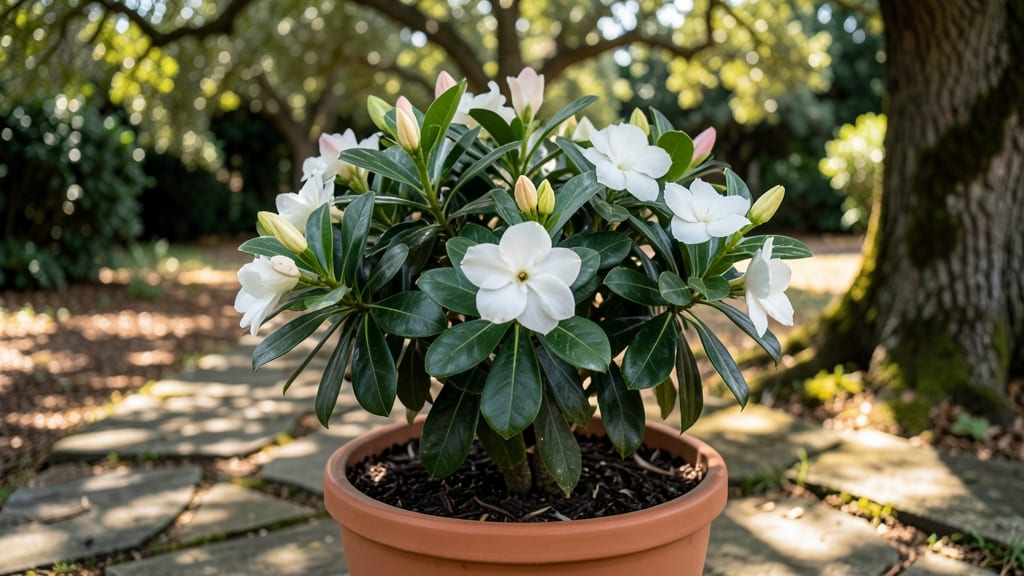
Gardenias can grow in shade, but their success depends on balancing light needs with patience and smart care strategies.
If you’ve always dreamed of growing fragrant gardenias but thought your shady garden spot was a dealbreaker, think again—these tropical beauties can thrive with the right care, even in low-light conditions.
The key is understanding how much shade they can handle. While gardenias 🌸 prefer bright, indirect light, they can tolerate partial shade, though this often means fewer blooms. In full shade, their growth slows, and leaves may become sparse or pale.
Here’s what you’ll discover: how to adjust their care for shadier spots, which gardenia varieties perform best in low light, and simple tricks to coax more flowers—even when sunlight is limited.

How much shade can gardenias tolerate before struggling?
Gardenias are famous for their intoxicating fragrance and glossy foliage, but many gardeners assume they need full sun to thrive. The truth is more nuanced—these tropical shrubs can tolerate partial shade, but pushing them into full shade will likely result in sparse blooms and leggy growth.
Understanding the balance between shade and light is key to keeping your gardenias happy and flowering.
Ideal conditions for gardenias include 4-6 hours of bright, indirect sunlight daily, which mimics their native tropical understory habitats. Too little light triggers survival mode, causing plants to prioritize leaf growth over blooms.
Even shade-tolerant varieties will struggle if deprived of any direct light, so aim for spots with dappled sunlight or filtered light from nearby trees.
Here’s how gardenias respond to different shade levels:
| Shade Level | Light Conditions | Growth Impact | Bloom Impact | Care Adjustments Needed |
|---|---|---|---|---|
| Full Sun (6+ hours) | Direct sunlight all day | Vigorous, compact growth | Abundant, fragrant blooms | Standard care (water, feed) |
| Partial Shade (3-6 hours) | Morning sun + afternoon shade | Healthy growth, slightly leggier | Moderate blooms (fewer than full sun) | Prune for airflow, boost nutrients |
| Light Shade (2-3 hours) | Dappled or filtered light | Slow growth, sparse foliage | Minimal to no blooms | Supplemental light, frequent feeding |
| Full Shade (0-2 hours) | No direct sunlight | Leggy, weak stems | Almost no flowers | Relocate or use grow lights |
If your gardenia is in full shade, watch for telltale signs of distress: yellowing leaves, elongated stems reaching for light, and a complete absence of buds. These symptoms indicate the plant is struggling to photosynthesize efficiently.
Even partial shade can reduce flower production by up to 50%, so prioritize spots with at least morning sunlight.
For container gardenias, place them near east-facing windows where they’ll receive gentle morning light without harsh afternoon rays. If your home lacks natural light, consider a grow light (12-14 hours daily) to supplement during winter months when daylight is scarce.
LED grow lights with a 6500K color temperature mimic natural sunlight effectively.
One common misconception is that gardenias can adapt to shade over time. While they may survive, they won’t thrive. The energy diverted to leaf production comes at the expense of blooms, which is why gardenias in shade often produce fewer, smaller flowers with less fragrance.
To encourage flowering, prune leggy growth in early spring to redirect energy toward bud development.
Soil quality also plays a critical role in shade tolerance. Gardenias in low-light conditions need rich, acidic soil (pH 5.0-6.5) to compensate for reduced photosynthesis. Amend your soil with peat moss or compost and apply a balanced acid-loving fertilizer (like 10-10-10) every 6-8 weeks during the growing season.
This helps maintain vigor even when light is limited.
Pro tip: If relocating your gardenia to a sunnier spot, do it gradually over 2-3 weeks to avoid sunburn. Start with 2 hours of morning sun, then increase exposure by 1 hour weekly.
This acclimation period prevents shock and allows the plant to adjust its leaf structure to higher light levels.
Remember, gardenias are not shade plants by nature—they’re tropical shrubs that evolved under canopy cover but still rely on light for energy. With the right balance of partial shade and care adjustments, you can enjoy their signature fragrance even in less-than-ideal light conditions. 🌸
5 Proven strategies to help gardenias thrive in low-light areas
Even though gardenias love bright, indirect light, you can still coax them into blooming in shadier spots with these targeted strategies. The key is balancing their natural tropical preferences with your garden's limitations. I've helped struggling gardenias rebound in partial shade using these methods, and you can too.
First, let's address the biggest misconception: gardenias won't thrive in full shade. However, with the right adjustments, they can handle 3-4 hours of filtered light daily while still producing flowers. The secret lies in compensating for reduced photosynthesis through careful cultural practices.
- 🌱 Choose shade-tolerant varieties like Gardenia jasminoides 'Radicans' or 'Kleim's Hardy'—these handle lower light better than standard types.
- 💧 Adjust watering to morning-only in shade, keeping soil consistently moist but never soggy to prevent root rot in dim conditions.
- ☀️ Supplement with grow lights (12-14 hours/day) during winter when natural light drops below 3 hours daily.
- ✂️ Prune for air circulation every 6 months, removing 1/3 of dense growth to prevent fungal issues in humid, shaded environments.
- 🌿 Amend soil with peat moss (20% mix) and iron supplements to boost nutrient uptake in low-light conditions.
Let's start with variety selection, as not all gardenias are created equal when it comes to shade tolerance. The 'Radicans' variety, for example, naturally grows as a sprawling shrub that tolerates more shade than upright types.
I planted mine under a large oak tree where it receives dappled light, and it's now in its third year of blooming.
Your watering schedule becomes even more critical in shade. Gardenias in low light can't process moisture as efficiently, so I water deeply every 2-3 days in summer and reduce to weekly in winter.
Always water at soil level to protect the glossy leaves from fungal spots—a common issue in shaded gardens.
For the grow light solution, I recommend LED grow lights with a 6500K color temperature placed 12-18 inches above the plant. Run them for 12 hours daily during winter months when natural light drops. This mimics the longer daylight hours gardenias experience in their native tropical climates.
Don't overlook pruning for airflow—this is where many gardeners fail. In shaded conditions, humidity lingers longer, creating perfect conditions for powdery mildew. I prune mine in early spring and late summer, removing any crossing branches and thinning out the center to let light penetrate deeper foliage.
Finally, your soil mix makes all the difference. Gardenias need acidic, well-draining soil (pH 5.0-6.5), but in shade, they'll benefit from extra organic matter. Mix in 2 parts peat moss or coconut coir with 1 part perlite and 1 part compost.
This improves moisture retention while preventing compaction—a common problem in shaded garden beds.