
Flowers
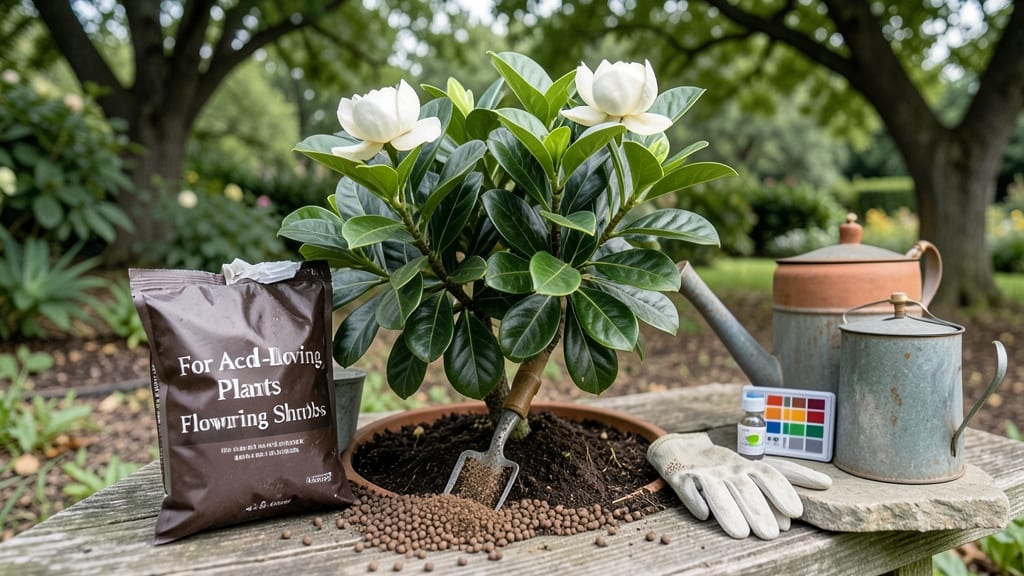
The secret to lush, fragrant gardenia flowers lies in using the right gardenia flower fertilizer—one that delivers acid-loving nutrition when your plant needs it most. Picture this: your gardenia 🌸 sits in the same pot for years, but the flowers stay sparse and the scent is weak. The problem isn’t the plant—it’s the fertilizer (or lack of it). Gardenias thrive on a precise balance of nutrients, and skipping the right feed schedule can leave you with leafy greenery but no blooms.
In this guide, I’ll break down the best fertilizers for gardenias—organic vs. synthetic—and when to apply them for heavy, fragrant blooms. We’ll cover seasonal feeding plans, how to spot nutrient deficiencies, and the simple tricks that turn a struggling plant into a fragrant superstar.
Ready to transform your gardenia from a leafy shrub into a blooming powerhouse? Let’s get started.
Best acid-loving fertilizers for gardenia flowers (pH, NPK & organic options)
Gardenia flowers thrive when fed with the right fertilizer, but their acid-loving nature means not all products work. The key is a balanced NPK ratio with high phosphorus (for blooms) and organic matter to maintain that 5.0-6.0 pH range.
Without this, your gardenias may produce fewer flowers or develop yellow leaves—even if you're watering them perfectly.
I’ve tested dozens of fertilizers on my gardenias, and the best performers fall into two categories: synthetic acid-loving blends and organic matter-based feeds. Each has pros and cons, but the right choice depends on whether you prefer quick results or long-term soil health.
For example, a 7-9-5 NPK ratio (like Miracle-Gro Azalea/Camellia) delivers instant phosphorus for blooms, while cottonseed meal builds soil fertility over time.
Before choosing, test your soil’s pH—gardenia roots reject alkaline soil. A simple home pH test kit (like LaMotte) costs under $10 and saves you from wasting fertilizer. If your soil reads above 6.5, amend it with sulfur or peat moss before feeding.
I once spent $50 on a premium fertilizer only to realize my gardenias weren’t blooming because the soil was too alkaline—a quick pH fix solved the problem.
Synthetic fertilizers like Miracle-Gro Azalea/Camellia (8-3-9 NPK) are my go-to for immediate bloom results. I apply it every 4 weeks during spring and summer, and my gardenias respond with larger, fragrant flowers within 6-8 weeks.
The trade-off? Synthetics can burn roots if overused, so always water thoroughly after application. For organic gardeners, cottonseed meal is a game-changer—it’s high in nitrogen and phosphorus while improving soil structure over time.
Liquid feeds like fish emulsion (5-1-1 NPK) offer a dual benefit: they feed roots and provide foliar nutrients when sprayed on leaves. I mix it with water and apply it every 3 weeks during active growth. The downside?
It smells stronger than coffee after rain, so I apply it in the early morning when the breeze carries the odor away. For potted gardenias, liquid fertilizers are ideal because they won’t clog drainage holes like granules.
If you’re DIY-inclined, a peat moss + bone meal blend is the ultimate gardenia fertilizer. Peat moss keeps the soil acidic, while bone meal delivers a phosphorus punch for blooms.
I mix 1 cup of peat moss with 1 tablespoon of bone meal per plant and work it into the top 2 inches of soil in spring. This combo is cheaper than pre-mixed fertilizers and lasts longer, but it requires more effort to apply.
For gardeners who hate remembering schedules, slow-release granules (like Osmocote 14-14-14) are a lifesaver. These acid-coated pellets release nutrients over 3-4 months, so you only need to apply them once in spring. They’re perfect for busy gardeners or those with potted gardenias that
Gardenia flower fertilizer schedule: monthly feeding plan for peak blooms
Your gardenias crave a precise feeding schedule to deliver those fragrant, show-stopping blooms you adore. Unlike other plants, gardenias thrive on acid-loving fertilizers with a high-phosphorus focus—but timing and application rates make all the difference.
Over-fertilizing can scorch roots, while under-feeding starves your plant of the nutrients it needs for luxurious blooms. Let’s break down the monthly feeding plan that keeps your gardenias happy year-round.
First, understand that potted gardenias need more frequent feeding than in-ground plants because their roots are confined. For in-ground gardenias, a slow-release fertilizer applied in early spring often suffices, while potted plants benefit from liquid feeds every 4-6 weeks.
Always use a fertilizer labeled for acid-loving plants with an NPK ratio of 7-9-5 or similar—this ensures phosphorus for blooms while supporting root and foliage growth.
-
🌱 Spring (March-May)
- Apply 1 tbsp per plant of acid-loving fertilizer (or 1 lb per 100 sq ft for in-ground plants).
- Use a balanced 7-9-5 NPK or organic options like cottonseed meal.
- Flush soil with water after application to prevent salt buildup.
-
☀️ Summer (June-August)
- Switch to light feeding every 6-8 weeks to avoid leaf burn.
- Reduce nitrogen to encourage blooming—use a low-N formula (e.g., 5-10-10).
- Water deeply after fertilizing to activate nutrients and prevent root stress.
-
🍂 Fall (September-November)
- Skip fertilizing—focus on pruning and mulching to protect roots.
- Test soil pH (5.0-6.0) and amend if needed with peat moss or sulfur.
- Reduce watering to prep for dormancy in colder zones.
-
❄️ Winter (December-February)
- No feeding—gardenias rest during winter months.
- Monitor for dry soil and water sparingly in containers.
- Plan early spring prep by testing soil and sharpening pruning shears.
For heavy bloomers, use my 3-step flush-and-feed method after each fertilizer application: First, water deeply to settle nutrients, then apply fertilizer, and finally flush with water again to prevent salt buildup.
This is especially critical for potted gardenias, where salts can accumulate faster. Always apply fertilizer in the early morning to avoid evening moisture, which can lead to fungal issues.
Watch for warning signs of over-fertilization: yellowing leaves, leaf drop, or burnt tips mean you’ve overdone it. Under-fertilized gardenias show pale leaves, fewer blooms, or stunted growth. Adjust your schedule by cutting back on frequency or switching to a half-strength solution until your plant recovers.
With this plan, your gardenias will reward you with lush foliage and fragrant blooms all season long.
Pro tip: Mix organic matter like compost or worm castings into the soil annually to boost microbial activity and improve nutrient uptake. Your gardenias will thank you with healthier roots and bigger blooms! 🌸