
Tools
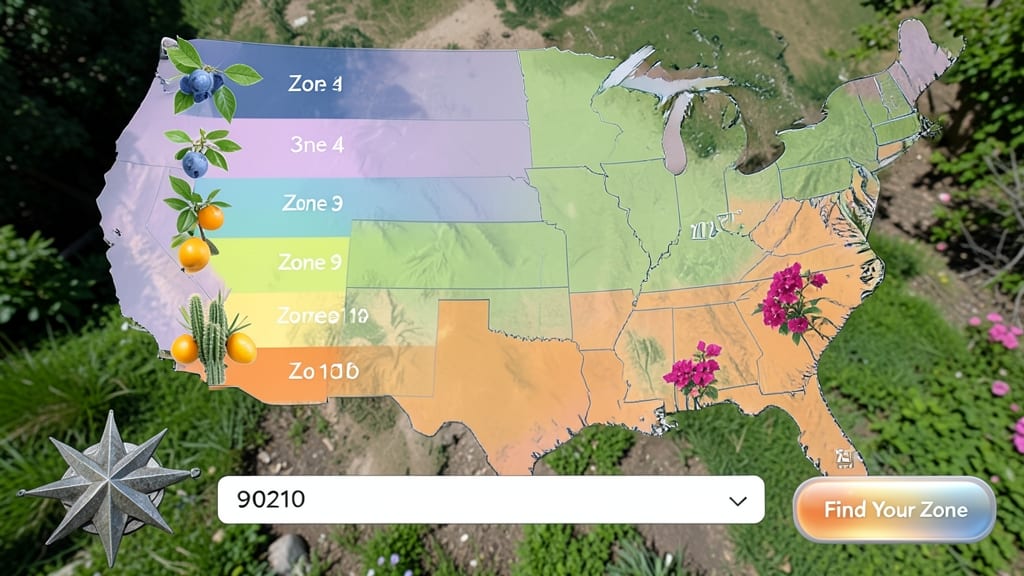
Using a garden zone map by zip code helps you identify your USDA Plant Hardiness Zone, which shows your area's average coldest winter temperatures and directly influences which plants will thrive in your climate. The official USDA Interactive Map or trusted gardening tools provide instant, accurate zone information.
Your garden zone isn't just a number—it's the foundation for smart planting decisions. 🌱 The USDA divides the U.S. into 13 zones (1-13) based on average annual minimum temperatures, with each zone further split into "a" and "b" subzones (e.g., 7a vs. 7b) representing 5°F temperature differences.
For example, zone 6a (-10°F to -5°F) can support different plants than 6b (-5°F to 0°F), even though they're geographically close. Many gardeners also factor in local microclimates, like urban heat islands or frost pockets, which can shift your effective zone by one or more levels.
To get started, simply enter your zip code into the official USDA Interactive Map or use trusted apps like Dave’s Garden or PlantMaps. These tools provide instant results with color-coded zone boundaries and often include frost date data.
For extra precision, cross-check with your local cooperative extension office—they can confirm if your yard's specific conditions (like elevation or wind exposure) might require adjustments to the standard zone map.
💡 In This Article
- What USDA Plant Hardiness Zones Tell Gardeners About Climate
- Best Tools for Instant Zip Code Garden Zone Lookup
What USDA plant hardiness zones tell gardeners about climate
The USDA Plant Hardiness Zone System divides the U.S. into 13 main zones (1-13) based on the average annual minimum temperature over a 30-year period. Each zone represents a 10°F range, with subzones "a" and "b" splitting that range into 5°F increments.
For example, zone 7a experiences -10°F to -5°F winters, while 7b sees -5°F to 0°F—a critical difference for frost-sensitive plants like citrus or bougainvillea.
These zones directly correlate with frost dates, which determine your growing season length. A zone 5a gardener (average winter lows of -20°F to -15°F) might have a 120-150 day growing season, while zone 9a (20°F to 25°F) could enjoy 240+ days.
The system also accounts for microclimates—areas within a zone that experience slightly warmer or cooler conditions due to elevation, water bodies, or urban heat. A south-facing slope might be 2-3 zones warmer than the surrounding area.
Zone boundaries aren't static—they shift over time due to climate change. Since the 1990 USDA map, many regions have moved one or two zones northward as average winter temperatures rise. For instance, Washington, D.C. (zone 7b in 1990) is now effectively zone 8a in many areas.
Always check the 2012 USDA map (latest update) for current data, but verify with local records since microclimates can override zone averages.
Understanding these zones helps you select plants with cold hardiness ratings that match your zone. A zone 6b plant (tolerates -5°F to 0°F) won't survive in zone 5a, but a zone 5a plant will thrive in both.
The system also explains why some plants struggle in transition zones (like zone 7b) where winter temperatures hover near their survival limits.
For precision, cross-reference your zone with last frost dates from your local weather station. While zone maps show cold tolerance, frost dates reveal when you can safely plant warm-season crops.
A zone 6a gardener might see last frost around April 15 but could experience late May frosts in frost pockets—critical info for tender annuals like tomatoes or peppers.
Pro tip: Use your zone to calculate planting windows. In zone 8a (10°F to 15°F winters), you might plant cool-season crops like lettuce in early October for winter harvests, while zone 4b (-25°F to -20°F) gardeners should wait until mid-May for the same crops. 🌿