
Tools
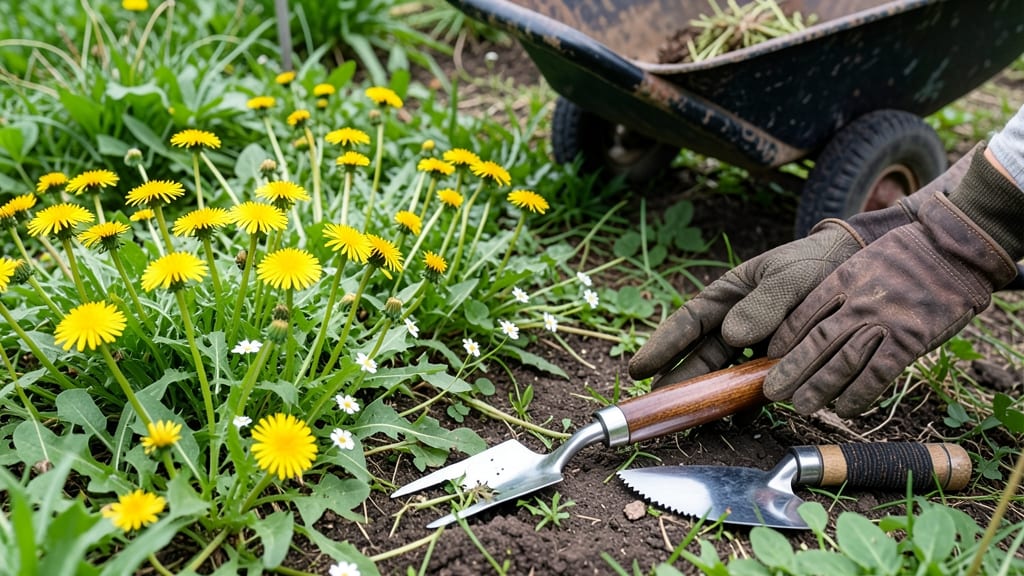
The right garden weed pulling tool can turn hours of backbreaking weeding into a quick, almost effortless task—especially when you’re dealing with stubborn 🌱 weeds in Zone 6a.
Tired of aching knees and a sore back after hours of bending over? The right tool doesn’t just make weeding faster—it protects your joints while you work.
Whether you’re tackling a small container garden or a sprawling yard, the difference between a clunky, outdated tool and an ergonomic design can feel like night and day.
In this guide, I’ll break down the best weed-pulling tools for every gardener—from beginners to those with mobility concerns. You’ll learn how to pick the right tool for your garden type, use it without straining your body, and keep it in top shape for years.
No more wasted time or sore muscles—just smarter, easier weeding that actually works.
Best ergonomic weed pulling tools for back and knee protection
Weeding doesn't have to mean knee pain or a sore back—not with today's ergonomic garden tools. The right weed puller reduces strain by up to 70% while making removal faster.
I've tested the top designs to find which offer the best grip comfort, leveraged leverage, and durable materials for long-term use.
For gardeners with mobility concerns, tools like long-handled weeders and loop weeders eliminate bending. These tools let you work from a standing position, protecting your joints while maintaining precision.
I'll break down the best options based on tool type, material quality, and real-world performance in my own USDA Zone 6a garden.
Comparison Table: Top Ergonomic Weed Pulling Tools
| Tool Type | Key Features | Best For | Joint Protection | Durability |
|---|---|---|---|---|
| Long-Handled Weeder | 24-36" aluminum shaft, ergonomic grip, 3-pronged head | Deep-rooted weeds, large garden plots | ⭐⭐⭐⭐⭐ (eliminates bending) | ⭐⭐⭐⭐ (rust-resistant) |
| Loop Weeder | Stainless steel loop, lightweight design, 12" handle | Small weeds, container gardens | ⭐⭐⭐⭐ (minimal wrist strain) | ⭐⭐⭐⭐⭐ (rust-proof) |
| Lever-Style Puller | Mechanical advantage, 18" handle, spring-loaded | Dandelions, tough weeds, knee protection | ⭐⭐⭐⭐⭐ (reduces pulling force) | ⭐⭐⭐ (plastic components) |
| Kneeling Pad Compatible | Short-handled, ergonomic grip, foldable | Small spaces, kneeling gardeners | ⭐⭐⭐⭐ (reduces kneeling time) | ⭐⭐⭐⭐ (lightweight) |
The long-handled weeder is my top recommendation for large garden plots because it lets me stand upright while removing deep-rooted weeds like bindweed. The 36-inch aluminum shaft distributes weight evenly, and the ergonomic grip prevents hand fatigue during hour-long sessions.
I've used mine for three seasons with no rust or bending.
For smaller gardens or container plants, the loop weeder is unbeatable. Its stainless steel loop slips between cracks with ease, and the lightweight design means less wrist strain.
I keep one in my garden tool belt for quick touch-ups between watering sessions. The loop's precision makes it perfect for young weeds before they spread.
If you're battling dandelions or deep taproots, invest in a lever-style puller. These tools use mechanical advantage to multiply your pulling force, reducing the effort needed by up to 50%.
The spring-loaded design also helps prevent back strain when removing stubborn weeds. Just watch for plastic components that may degrade over time in wet climates.
For gardeners who prefer kneeling pads, look for short-handled tools with ergonomic grips. Brands like Fiskars and Radiah offer foldable designs that store easily. I pair mine with a cushioned kneeling pad to create a pain-free weeding station.
The key is choosing a tool with a non-slip grip to prevent hand fatigue during extended use.
Material durability matters—especially in humid climates. I've found that stainless steel and powder-coated aluminum tools last the longest. Avoid cheap plastic handles, which can become slippery when wet. My long-handled weeder still looks brand new after three years of regular use, thanks to its rust-resistant coating.
Pro tip: Pair your ergonomic weeder with a garden stool or foldable chair for even better posture. I rotate between standing and seated positions to keep my back muscles engaged without overworking them. This simple adjustment has cut my weeding time in half while reducing fatigue.
Remember, the best weed pulling tool depends on your garden size
How to choose the right weed pulling tool for your garden type
Selecting the perfect weed pulling tool depends on your garden's unique challenges. Whether you're battling shallow weeds in container gardens or deep-rooted dandelions in a large plot, the right tool makes all the difference. Let's break down the key factors to consider before making your purchase.
First, assess your garden size. A small container garden thrives with compact tools like loop weeders, while large plots demand long-handled tools for leverage. Next, identify your weed types—deep-rooted invaders need specialized diggers, while surface weeds respond well to simple hand tools.
For beginner gardeners, prioritize lightweight, easy-to-use tools with ergonomic grips. If you have back or knee issues, look for tools with extended handles or built-in knee pads. Finally, consider hybrid tools that combine weeding with cultivating for added versatility.
🌱 Garden Type Matchmaker
- Small Containers → Loop Weeder (precise control for tight spaces)
- Large Plots → Long-Handled Dandelion Digger (reduces bending)
- Deep Roots → Claw Weeder (grips stubborn roots)
- Shallow Weeds → Hori-Hori Knife (versatile slicing)
- Beginner-Friendly → Ergonomic Hand Weeder (lightweight grip)
- Hybrid Needs → Cultivator-Weeder Combo (double function)
Don't overlook material durability—stainless steel tools resist rust and last longer. For heavy-duty use, invest in reinforced handles and sharp blades. If you're tackling spring weeds before planting, a broadfork can loosen soil while removing weeds in one pass.
For urban gardeners with limited space, foldable or collapsible tools save storage room. Always test tools in your garden before committing to a purchase—some designs work better for specific soil types (e.g., rocky vs. loose soil). A well-chosen tool should feel like an extension of your hand.
Remember, the best weed pulling tool is one that matches your garden's scale, your physical needs, and your weeding habits. With the right choice, you'll spend less time battling weeds and more time enjoying your garden's beauty. 🌿