
Tools
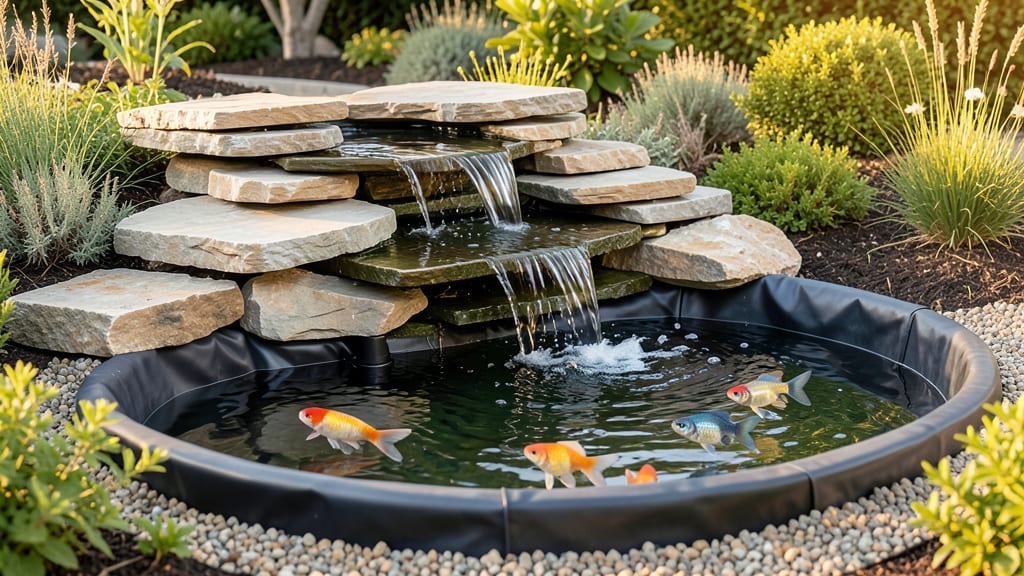
Creating a garden pond waterfall involves choosing a shaded spot with stable ground, shaping a gradual incline for smooth water movement, and installing a pump with tubing to control flow. Stack flat stones for a natural look, and incorporate aquatic plants to filter water and enhance the ecosystem.
A well-designed waterfall isn't just about aesthetics—it's about function.
The slope should never exceed a 30-degree angle to prevent erosion, while the pump size depends on your pond's volume (typically 1 gallon per hour per square foot of surface area). 💫 For example, a 100-square-foot pond needs at least a 100 GPH pump to maintain steady flow.
Natural stones like slate or limestone create texture, but preformed kits can save time if you're working with tight timelines. The key is balancing visual appeal with structural integrity to avoid leaks or uneven water distribution.
Beyond the mechanics, the waterfall becomes a living feature when you integrate plants. Water lilies and ferns not only look stunning but also help oxygenate the water, reducing algae growth.
I always recommend adding a small skimmer at the top of the waterfall to catch debris before it enters the pond—this keeps your system running smoothly for years. The right plants and filtration will turn your waterfall from a decorative element into a thriving part of your garden's ecosystem.
💡 In This Article
- Designing a Natural-Looking Waterfall Flow
- Maintaining a Healthy Pond-Waterfall Ecosystem
Designing a natural-looking waterfall flow
The secret to a visually stunning waterfall starts with the slope ratio—most experts recommend a 2:1 ratio (2 feet of horizontal distance for every 1 foot of vertical drop). This gentle gradient prevents erosion while creating a smooth, cascading effect.
For example, a 3-foot-tall waterfall should span at least 6 feet horizontally at the base. The slope should never exceed 30 degrees to avoid soil displacement and maintain structural stability over time.
Material selection dramatically impacts both aesthetics and functionality. Natural stones like slate or limestone provide durability and texture, while their irregular shapes mimic nature's organic forms. Each stone should weigh at least 10-15 pounds to prevent shifting during flow.
Preformed waterfall kits offer convenience but often lack the visual depth of natural materials—think of them as a compromise for tight installation windows. The key is to stagger stones in 3-5 inch layers, leaving small gaps (about 1/4 inch) for water to flow between them naturally.
Pump sizing determines your waterfall's power and longevity. A common rule of thumb is to select a pump with 10-20% more capacity than your calculated needs to account for friction in tubing and potential future expansions.
For instance, a 1,000-gallon pond typically requires a 1,200-1,500 GPH pump to maintain steady flow. The tubing size (usually 1/2 to 3/4 inch) must match your pump's output—undersized tubing creates pressure that can damage the system over time.
Erosion control requires strategic planning. Always install a gravel underlayment (2-3 inches deep) beneath the waterfall to improve drainage and prevent soil saturation. For taller waterfalls (4 feet or higher), consider adding a skimmer box at the top to catch debris before it enters the pond system.
This simple addition can extend your system's lifespan by 30-50% by reducing clogs in filters and pumps.
Water flow dynamics create the most satisfying visual effect. The ideal flow rate is 1-2 gallons per minute for most residential waterfalls, creating a steady, musical cascade rather than a rushing torrent.
You can adjust this using a flow restrictor in the tubing—turning it clockwise increases resistance and slows the flow. For a more dramatic effect, consider adding a spillway at the waterfall's base to create a small pool where water collects before returning to the pond.
Seasonal considerations affect long-term performance. In colder climates, use submersible pumps with freeze protection and insulate tubing with foam sleeves during winter months. The weight of ice can damage waterfall structures, so ensure your design includes overflow channels to prevent ice dams from forming.
During summer, monitor water levels daily—evaporation rates can increase by up to 20% in hot, dry conditions.