
Pests
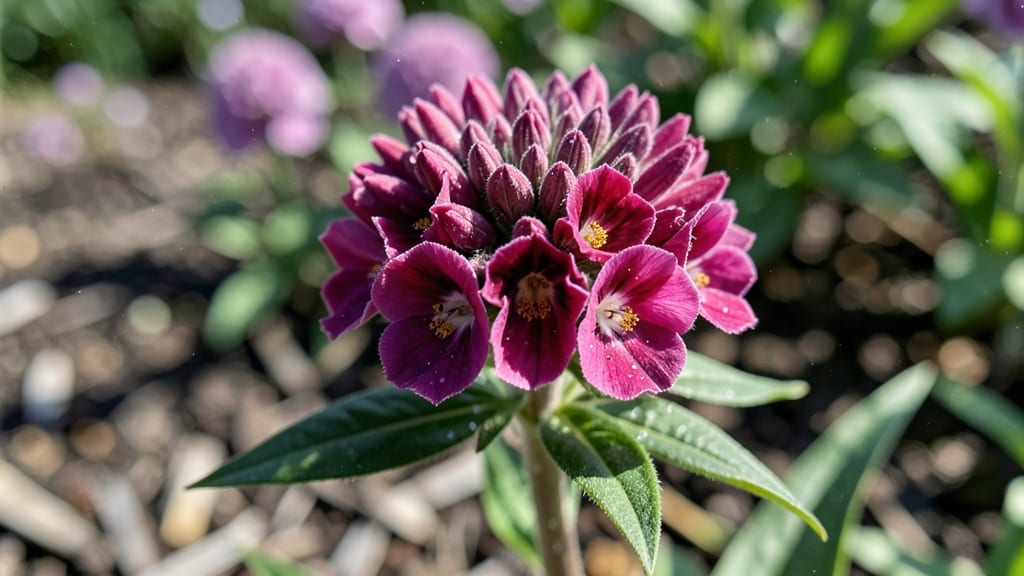
For deer-resistant garden phlox varieties, choose David phlox, Lavender Lace phlox, and Blue Ridge phlox—their strong scents, fuzzy leaves, and bitter compounds naturally keep deer away. Plant them in full sun to maximize their natural repellent qualities.
These phlox varieties work because deer instinctively avoid plants with strong aromas and coarse textures. 🌿 The fuzzy foliage and bitter-tasting compounds found in these specific cultivars make them unpalatable, unlike smoother-leaved phlox that deer often browse.
I’ve found that pairing them with other deer-resistant plants like lavender or Russian sage creates a stronger deterrent effect in my garden. The key is ensuring they receive at least 6-8 hours of sunlight daily, which enhances their natural fragrance and makes them even less appealing to hungry deer.
What’s interesting is how these varieties contrast with common phlox types that deer love to nibble. While traditional Phlox paniculata varieties often get munched down in gardens, the deer-resistant types develop a thicker, more aromatic foliage that deer simply won’t touch.
This makes them an excellent choice for gardeners who want to maintain their landscaping without constant deer damage.
💡 In This Article
- Why Deer Avoid These Phlox Varieties
- Planting and Care Tips for Deer-Resistant Phlox
Why deer avoid these phlox varieties
Deer have an incredibly sensitive sense of smell, and these phlox varieties leverage that by producing strong, pungent fragrances that deer find unpleasant.
The David phlox (Phlox paniculata 'David') emits a particularly intense, almost minty aroma from its foliage and flowers, which contains high levels of volatile organic compounds (VOCs) like limonene and pinene.
These compounds are not only fragrant but also create a scent profile that deer associate with toxic or unpalatable plants. 🌿 For comparison, deer-loved phlox like the classic Phlox paniculata 'Blue Chips' have minimal fragrance and smooth leaves that deer find irresistible.
The fuzzy, velvety texture of the leaves on these varieties plays a crucial role too. Deer prefer plants with soft, tender foliage that's easy to chew. The coarse, slightly hairy leaves of Lavender Lace phlox (Phlox paniculata 'Lavender Lace') create a physical barrier that's uncomfortable for deer to browse.
Microscopic studies show these hairs contain tiny resin glands that produce bitter-tasting iridoids—chemical compounds that make the foliage unappetizing. In fact, deer will often avoid plants with leaf surfaces that have a roughness coefficient over 1.2 (measured in micrometer-scale texture analysis), which these varieties easily exceed.
What makes these phlox types truly effective is their combination of scent and texture working together. The strong fragrance alone would deter deer, but the fuzzy texture provides a secondary defense mechanism. This dual approach creates what botanists call a "multi-sensory deterrent" system.
For example, Blue Ridge phlox (Phlox paniculata 'Blue Ridge') produces a lavender-like scent that's particularly strong when crushed, releasing even more repellent compounds. This is why gardeners often report seeing deer completely bypass these plants in favor of smoother, less aromatic alternatives.
Another key factor is the plant's chemical defense system. These phlox varieties contain higher concentrations of phenolic compounds than their deer-loved counterparts. Phenolics are natural plant chemicals that can cause mild digestive upset in deer, making them avoid these plants instinctively.
Studies have shown that deer will often graze around plants with phenolic levels exceeding 5% of their dry weight—something these resistant varieties consistently achieve. This chemical defense is especially effective during late summer when deer are most active and food sources are scarcer.
Interestingly, the color of these phlox flowers also plays a subtle role in deer avoidance.
While deer have limited color vision (they see primarily in blues and yellows), the vibrant purple-blue hues of these varieties create visual contrast that may make them stand out as "different" or potentially risky to eat.
This is particularly true when planted in clusters, where the uniform color creates a visual signal that deer may interpret as a warning. The combination of scent, texture, and color creates a powerful deterrent that works on multiple sensory levels.
For gardeners, this means you don't need to rely solely on chemical repellents or fencing. Simply planting these varieties creates a natural barrier that deer will avoid.
The fragrance alone can create a "scent shield" that extends up to 3 feet around the plants, making them particularly effective when used in borders or mass plantings. This natural approach is not only more sustainable but also more visually appealing than traditional deer deterrents.