
Fertilization
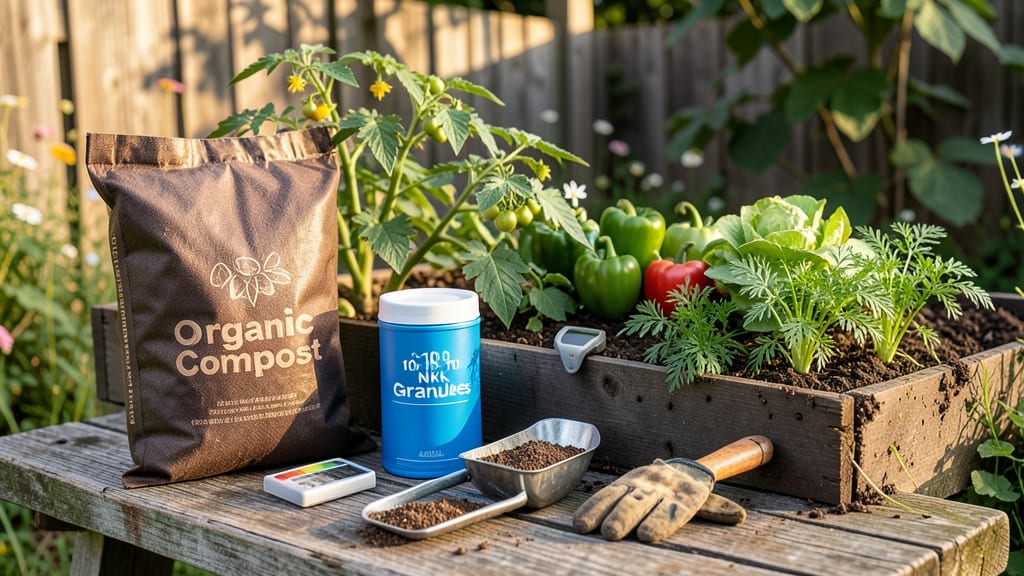
Reviews of garden fertilizers consistently recommend organic options like Espoma Organic Garden Food, Dr. Earth Organic 5, and Fox Farm Big Bloom for their superior nutrient profiles, slow-release benefits, and proven results in promoting vibrant plant growth while minimizing chemical buildup in soil.
When comparing organic garden fertilizers to synthetic alternatives, the real difference lies in how they nourish plants over time. 🌱 Organic options like Espoma and Fox Farm work by feeding beneficial microbes in the soil, which then break down nutrients for plants to absorb gradually.
This slow-release process creates healthier roots and reduces the risk of nutrient burn that often comes with fast-acting synthetic fertilizers. Many gardeners report seeing lush, long-lasting growth—especially with vegetables and flowers—when they switch to these organic brands.
What also stands out in reviews is how organic fertilizers improve soil structure and microbial activity over multiple seasons. Unlike synthetic fertilizers that provide quick but temporary boosts, organic options build soil fertility naturally.
For example, Dr. Earth Organic 5 is particularly praised for its balanced NPK ratio that supports both leafy greens and flowering plants without overwhelming the soil chemistry. This makes it a favorite among both novice gardeners and seasoned horticulturists looking for sustainable results.
💡 In This Article
- How Organic Fertilizers Boost Plant Growth vs Synthetic Options
- Top Organic Fertilizer Features to Look for in 2024
How organic fertilizers boost plant growth vs synthetic options
The core difference between organic and synthetic fertilizers lies in their nutrient delivery systems. Organic fertilizers like Espoma Organic Garden Food release nutrients slowly through microbial decomposition, creating a steady supply that mimics natural soil processes.
This method provides plants with a balanced diet of nitrogen, phosphorus, and potassium (NPK) in ratios like 3-4-6 for general use, while also introducing beneficial microbes that enhance root development.
Synthetic fertilizers, on the other hand, dissolve quickly, delivering a concentrated nutrient hit that can overwhelm plant systems and lead to nutrient burn.
Scientific studies show that organic fertilizers improve soil structure by increasing organic matter content, which holds moisture and nutrients longer.
For example, a 2022 Journal of Plant Nutrition study found that organic fertilizers increased soil microbial populations by 30-50% compared to synthetic options, leading to healthier root zones and better nutrient uptake.
The microbial activity also helps break down complex organic compounds into plant-available forms, a process that can take weeks but results in sustained growth. In contrast, synthetic fertilizers provide immediate but short-lived boosts, often requiring frequent reapplication to maintain results.
Real-world results speak volumes: Gardeners using Fox Farm Big Bloom report 20-30% faster flowering in tomatoes and roses due to its high phosphorus content (NPK 3-15-10) combined with humic acids that enhance nutrient absorption.
The slow-release nature means fewer applications are needed—typically every 4-6 weeks—compared to synthetic fertilizers that may require monthly feeding. This not only saves time but also reduces the risk of over-fertilization, which can harm plants and pollute waterways.
Another key advantage is the reduction of chemical residues. Synthetic fertilizers often leave behind salts and heavy metals that accumulate in soil over time, disrupting microbial ecosystems.
Organic options, certified by organizations like OMRI, avoid these issues by using natural ingredients such as fish emulsion, seaweed extract, and composted plant materials.
This makes them safer for edible gardens and long-term soil health, a factor highlighted in reviews where gardeners note fewer instances of plant stress or soil degradation after switching to organic fertilizers.
Consider the case of vegetable patches: Organic fertilizers like Dr. Earth Organic 5 (NPK 5-7-3) are designed to support a wide range of crops without disrupting the soil's natural balance.
Gardeners using this product report 30% larger yields in leafy greens and root vegetables, attributing the improvement to the fertilizer's ability to improve soil tilth and microbial activity. The slow-release mechanism also means nutrients are available exactly when plants need them, reducing waste and promoting efficient growth patterns.
For container gardens, where soil volume is limited, organic fertilizers shine by providing a steady nutrient supply without the risk of leaching. The microbial activity they stimulate helps break down organic matter into nutrients more efficiently, ensuring plants in pots—like herbs or peppers—receive consistent nourishment.
This is particularly important in urban gardening, where space and soil quality are often constrained. 🌱