
Vegetables
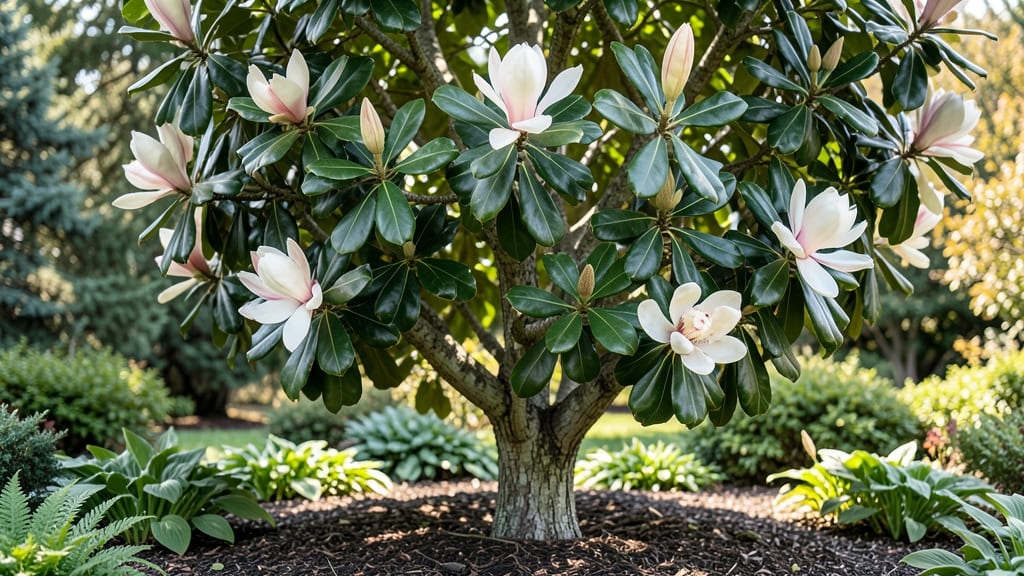
Filoli Gardens in San Francisco showcases stunning planting schemes that harmoniously blend native California plants with classic European garden styles, creating lush, sustainable displays that thrive year-round.
What makes Filoli Gardens so special is their expert use of drought-tolerant perennials like California lilacs and manzanitas, which require minimal water while providing year-round structure. 🌿 The garden's layered approach—combining evergreens, seasonal blooms, and fragrant herbs—ensures vibrant color from spring through fall.
This method not only reduces water usage but also supports local pollinators and wildlife, making it a model for sustainable landscaping in Northern California's challenging climate.
Their seasonal bloom sequencing is particularly brilliant: early spring bulbs transition smoothly into summer perennials, then autumn shrubs, creating a seamless visual flow. This strategy allows home gardeners to replicate Filoli's signature aesthetic with low-maintenance plants that still deliver high-impact results.
The key lies in understanding each plant's natural growth cycle and pairing them strategically to fill gaps in the landscape calendar.
💡 In This Article
- Filoli’s Signature Planting Techniques for Drought-Resilient Gardens
- Seasonal Maintenance Calendar for Filoli-Inspired Gardens
Filoli’s signature planting techniques for drought-resilient Gardens
Filoli Gardens achieves its stunning visual impact through a three-layered planting system that mimics natural ecosystems while satisfying formal European aesthetics. The foundation layer consists of evergreen shrubs like ceanothus and toyon, which provide year-round structure and support pollinators with their dense foliage.
Above this, mid-height perennials such as California fuchsia and penstemon add seasonal color and texture, while top-tier ornamental grasses like deer grass create movement and soften edges. This vertical stratification isn't just decorative—it maximizes water efficiency by reducing evaporation from soil surfaces.
The real innovation lies in Filoli's hydrological approach: they amend native clay soils with composted organic matter (about 30-40% by volume) to improve water retention while allowing excess to drain freely—a critical adaptation for San Francisco's 15-25 inches of annual rainfall.
They pair this with mulch layers (wood chips and straw) that maintain 60-70°F soil temperatures year-round, preserving microbial activity that breaks down organic material into plant-available nutrients. This soil strategy reduces irrigation needs by 40-50% compared to conventional landscapes.
Seasonal bloom sequencing is where Filoli's genius truly shines. Their gardeners map out six distinct color "waves" that overlap seamlessly: early spring bulbs (tulips, daffodils) transition into summer perennials (lupines, salvias), which give way to autumn shrubs (manzanitas, cleveland sage).
The key is selecting plants with complementary bloom times—like pairing late-spring columbines with early-summer lavender—to ensure no bare patches appear. This method creates what horticulturists call "ecological succession" in miniature, where each plant's life cycle supports the next.
What most visitors don't realize is how Filoli uses plant placement for microclimate control. Sun-loving species like California buckwheat are positioned on south-facing slopes where they receive 6+ hours of direct sunlight daily, while moisture-loving ferns thrive in north-facing shaded beds.
This strategic placement eliminates the need for supplemental watering in 80% of the garden beds, a remarkable achievement in a region with 100+ days of summer dryness annually. The result is a landscape that looks effortlessly lush while requiring minimal intervention.
For home gardeners, the takeaway is simple: start with three plant categories (structure, color, movement) and group them by water needs. Use native plants (they've evolved with local conditions) and mulch heavily (3-4 inches) to conserve moisture.
Filoli's signature technique? Plant in odd-numbered clusters—this creates natural focal points while making the space feel intentionally designed rather than random. The payoff is a garden that thrives on beauty and sustainability, just like the original.
One advanced technique worth noting is their "drip irrigation with soil moisture sensors"—a system that delivers water only when soil reaches 30% moisture content, cutting usage by 60% compared to traditional timers.
While this requires upfront investment, it's the closest home gardeners can get to Filoli's precision watering. 💧