
Vegetables
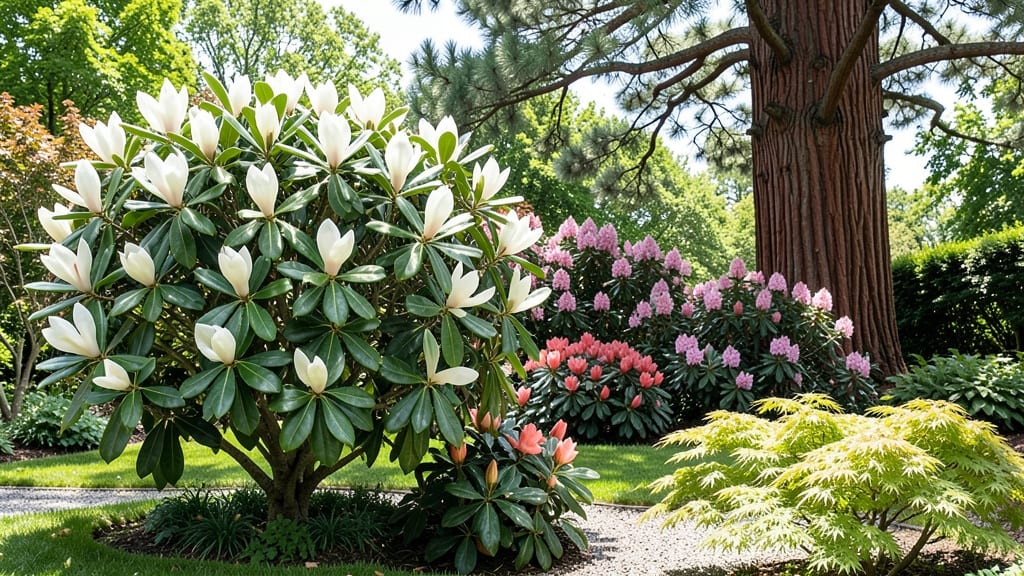
Visiting Filoli Gardens in Redwood City, CA, offers a perfect blend of historic charm and natural beauty, with 67 acres of meticulously restored gardens, rare botanical collections, and a stunning 1915 mansion. The estate's tranquil pathways and vibrant seasonal displays create an unforgettable experience for nature and history enthusiasts.
Filoli's magic lies in how its 1915 Beaux-Arts mansion and 67 acres of gardens work together—every pathway tells a story. 🌿 The estate's landscape architect, Beatrix Farrand, designed the gardens to reflect the natural beauty of the Bay Area while preserving the original vision of its Gilded Age owners.
What many visitors miss are the seasonal highlights, like the winter camellias or summer roses, which transform the estate into a living painting. Even the mansion's interior, with its original furnishings and art collection, feels like stepping into a bygone era.
The real secret? The hidden trails and lesser-known areas like the Japanese Tea Garden, where you can escape the crowds. I always recommend visiting during the holiday season—the estate's festive decorations and special tours make it feel like a magical winter wonderland.
Whether you're a plant lover, history buff, or just looking for a peaceful escape, Filoli delivers something special every season.
💡 In This Article
- The Architecture and Landscape Design Behind Filoli’s Iconic Gardens
- Hidden Gems and Seasonal Highlights at Filoli Gardens
The architecture and landscape design behind Filoli’s iconic gardens
Filoli’s gardens weren’t just planted—they were carefully designed to harmonize with the 1915 Beaux-Arts mansion while reflecting the natural beauty of the Bay Area. Landscape architect Beatrix Farrand, a protégé of Frederick Law Olmsted, shaped the estate’s 67 acres into a masterpiece of symmetry and organic flow.
She used the mansion’s grand staircase as a focal point, aligning pathways to frame views of the house from key garden vantage points. Farrand’s genius lay in blending formal garden elements—like the geometric parterres—with wild, native plantings that felt effortlessly natural.
The estate’s restoration techniques preserve these original visions with precision. For example, the Japanese Tea Garden features 300-year-old camellia trees that were meticulously preserved during a 10-year, $12-million restoration completed in 2010.
Crews used archival photographs and historical records to replant rare species like ‘Yuletide’ camellias, which bloom in winter with 5-inch flowers that turn the garden into a velvety pink sea. 🌸 The mansion’s terracotta roof tiles and lead-lined glass windows were also restored to their original 1915 condition, ensuring the architecture and gardens tell a cohesive story.
Farrand’s plant selections weren’t just aesthetic—they carried symbolic meaning. The rose garden, for instance, features 100+ varieties, including ‘Souvenir de la Malmaison’, a Napoleon III-era rose that symbolizes romance and endurance.
Meanwhile, the hedges of boxwood and laurel weren’t just for structure; they were designed to soften the mansion’s grandeur while creating intimate spaces for reflection. The estate’s native oak and bay trees provide shade and wildlife habitat, making the gardens feel alive year-round.
What makes Filoli’s design so remarkable is how it balances formal European influences with California’s wild beauty. The woodland paths winding through redwoods and manzanitas contrast with the formal garden rooms near the mansion, creating a dynamic experience.
This duality is intentional—Farrand wanted visitors to feel both the order of a European estate and the freedom of the California wilderness. The result? A landscape that feels timeless yet vibrant, much like the estate itself.
Even the seasonal color palette was thoughtfully curated. In spring, tulips and daffodils explode in color, while summer brings hydrangeas and roses in shades of pink, red, and white. Autumn’s golden grasses and fiery maples transition into winter’s camellias and hellebores, ensuring the gardens are always a visual feast.
The estate’s 12-foot-tall camellia trees, some over 100 years old, are particularly stunning when backlit by winter sun, creating a dramatic silhouette effect.
For those who love history, the original garden plans from 1915 are still referenced today. The conservatory’s glass walls, for example, were designed to maximize sunlight for orchids and ferns, while the terrace’s marble balustrades frame views of the lower gardens.
These details show how every element—from plant placement to architectural framing—was intentional. The estate’s restoration team continues this tradition, ensuring Filoli remains a living testament to Farrand’s vision.