
Size
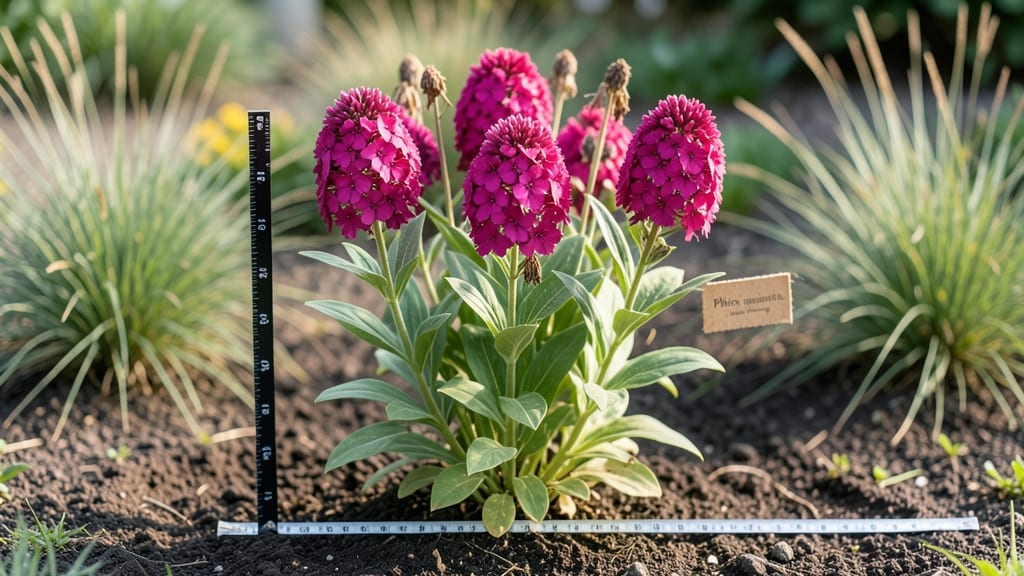
Yes, tall garden phlox spreads gradually through underground runners, forming dense clumps over time. Unlike aggressive spreaders like mint, it expands 12-18 inches yearly if left unmanaged, often requiring division to keep it contained in garden beds.
This perennial beauty spreads through rhizomes—horizontal underground stems—that send up new shoots, creating thick clusters of blooms.
The spread rate depends on soil moisture and sunlight, with well-watered plants expanding faster. 🌱 While not invasive, its gradual growth can fill spaces over time, making it ideal for borders or mass plantings where you want to control its footprint.
For gardeners concerned about containment, spacing plants 18-24 inches apart at planting time helps manage spread naturally. Dividing clumps every 3-4 years not only controls growth but also rejuvenates the plant, ensuring vibrant blooms for seasons to come.
💡 In This Article
- How Tall Garden Phlox Spreads: Root System and Growth Mechanics
- Managing Tall Garden Phlox Spread in Landscapes
How tall garden phlox spreads: root system and growth mechanics
Tall garden phlox (Phlox paniculata) spreads primarily through rhizomes—thick, horizontal underground stems that store nutrients and send up new shoots.
These rhizomes grow outward from the parent plant at a rate of about 3-6 inches per season, with the entire clump expanding 12-18 inches annually under ideal conditions.
Unlike creeping phlox (Phlox subulata), which spreads via thin stolons near the surface, tall phlox's rhizomes grow deeper, creating a sturdy, self-supporting structure. 🌿
The spread mechanism works like a biological clock: in early spring, the rhizomes push out new shoots while older stems near the center die back naturally. This process ensures the plant maintains its vigor by constantly renewing its growth points.
Moisture is the biggest accelerator—well-watered plants spread up to 30% faster than those in dry conditions, as the rhizomes prioritize expanding into damp soil where roots can establish quickly. Conversely, drought stress slows spread but can also weaken the plant's ability to produce strong stems for its signature upright blooms.
Seasonal growth cycles play a critical role. Rhizomes are most active in late spring to early summer, when temperatures hover between 60-75°F and soil moisture remains consistent. During this window, you'll notice new shoots emerging along the rhizome's length, each capable of developing into a full flowering stem.
By late summer, the rhizomes shift focus to storing energy for winter dormancy, temporarily halting outward expansion. This seasonal rhythm explains why phlox often appears to "fill in" a garden bed more noticeably in its second or third year after planting.
Comparing tall phlox to other varieties highlights its moderate spread habit. Creeping phlox spreads horizontally across surfaces (ideal for ground cover), while tall phlox's vertical growth habit (reaching 3-5 feet) makes its rhizomatous spread less visible but equally impactful.
The key difference lies in the rhizome depth: tall phlox's underground stems grow 4-6 inches below soil level, anchoring the plant while gradually expanding its territory. This deeper root system also makes tall phlox more drought-tolerant once established, as it can tap into subsoil moisture during dry spells. 💧
What most gardeners overlook is how light competition affects spread. In shady conditions, tall phlox may spread more slowly but produce taller, leggier stems with fewer blooms. Conversely, in full sun with adequate water, the plant's energy goes toward both rhizome expansion and robust flowering.
This dual focus explains why tall phlox often becomes the "workhorse" of perennial borders—it reliably fills space while providing weeks of vibrant blooms in shades of pink, purple, and white. The trade-off? Its natural tendency to form dense, multi-stemmed clumps that can outgrow their intended space if not managed.
For those who love the plant's bold presence but want to control its spread, understanding these mechanics is half the battle. The rhizomes' predictable growth pattern means you can anticipate and plan for expansion—whether by designing wider planting beds or scheduling regular divisions.
The other half? Learning how to work with this habit rather than against it, as we'll explore in the next section on managing tall phlox in landscapes. 🌸