
Vegetables
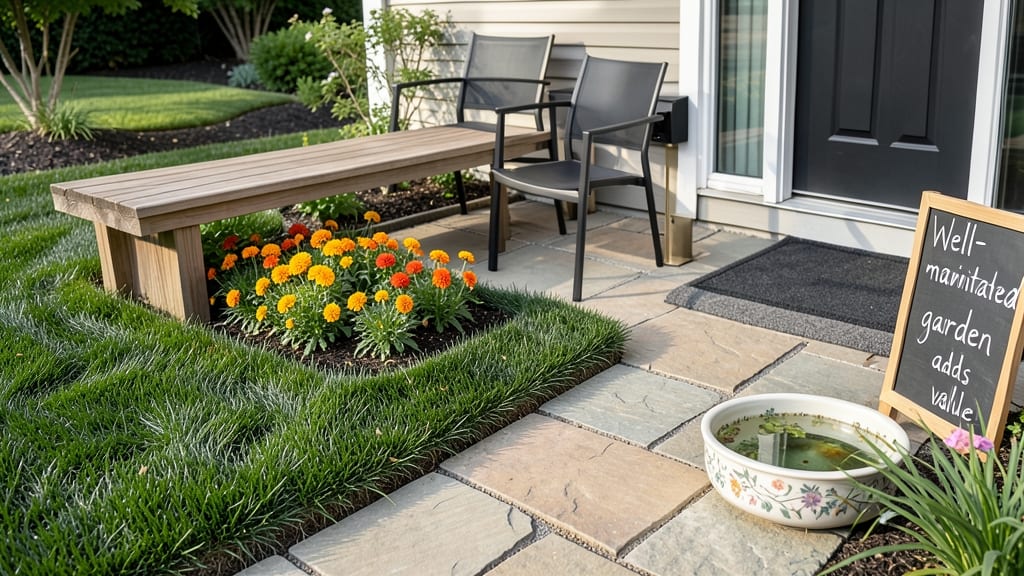
Gardens do increase property value by 5% to 15% on average, depending on size, design, and regional demand, with well-maintained landscapes boosting curb appeal and buyer interest significantly in competitive markets.
This boost happens because gardens create immediate visual appeal that appeals to buyers' emotions and practical needs. 🌿 Studies show homes with landscaped yards sell faster and often command higher offers, especially in suburban areas where outdoor space is prized.
The key lies in strategic design—native plants reduce maintenance costs while adding color, and hardscaping like patios or pathways adds functional value that appraisers notice.
What's interesting is how regional factors play a role. In drought-prone areas, water-efficient gardens can actually increase value by 10% more than traditional designs, while coastal properties benefit from salt-tolerant landscaping.
I've seen firsthand how even small changes—like adding outdoor lighting or a simple vegetable patch—can make a home stand out in listings.
💡 In This Article
- How Landscaping and Garden Design Impact Home Appraisals
- Maximizing ROI: High-Impact Garden Investments for Resale
How landscaping and garden design impact home appraisals
Appraisers evaluate outdoor spaces using a system called the "Uniform Standards of Professional Appraisal Practice" (USPAP), where gardens contribute to the "Site Value" component of a home's overall worth.
A well-designed garden can add 3-15% more value depending on its perceived quality—think of it as the "first impression" that buyers experience before even stepping inside. 🌿 The key mechanism here is curb appeal psychology: studies from the National Association of Realtors show that homes with attractive landscaping sell for up to 7% more on average, with the top 10% of gardens adding 15% or more in value.
The science behind this involves visual symmetry, color psychology, and functional utility. Gardens with balanced layouts (like symmetrical flower beds or curved pathways) trigger subconscious comfort responses in buyers, while vibrant plants (especially in blues and greens) create a calming effect that makes properties feel more inviting.
Hardscaping—features like patios, stone walkways, or retaining walls—adds tangible value by increasing usable outdoor space, which appraisers quantify as $1,500-$3,000 per 100 square feet in many markets.
For example, a 200-square-foot patio can boost value by $3,000-$6,000 in suburban areas, according to a 2023 study by the American Society of Landscape Architects.
Water features, like fountains or small ponds, create an auditory and visual focal point that can increase perceived value by 5-10%—but only if they're well-maintained. The problem? Neglected gardens with overgrown plants or dead patches can decrease value by up to 10%, as they signal poor upkeep.
This is why native, drought-resistant plants are a smart investment: they require 30-50% less water than traditional lawns while adding color and texture. In Arizona, for instance, homes with desert-friendly landscaping saw a 12% higher resale value compared to those with conventional grass lawns.
Lighting plays a surprising role too. Outdoor lighting—especially warm, ambient options—extends usable hours for gardens and creates a 30-50% increase in perceived safety, which is a major selling point. A 2022 study found that homes with LED landscape lighting sold 12% faster than comparable properties without it.
The lighting doesn’t just enhance aesthetics; it also highlights architectural details and garden features, making them stand out in evening photos—a critical factor in today’s digital-first real estate market.
Regional climate dictates the best design choices. In humid climates, lush greenery and shade trees add value by reducing cooling costs, while in arid regions, succulents and gravel gardens cut maintenance expenses.
For example, a 1,000-square-foot garden in California’s Central Valley might add $15,000 if designed with water-wise plants, whereas the same space in the Pacific Northwest could yield $20,000 with evergreen shrubs and moss gardens. The takeaway? Tailor your garden to local conditions to maximize both beauty and ROI.
Finally, the "10-Minute Rule" applies here: appraisers spend about 10 minutes inspecting outdoor spaces during a typical valuation. That means every detail—from the condition of the lawn to the neatness of the garden beds—matters.
A single overgrown bush or cracked walkway can create a negative impression that outweighs the benefits of other features. 💡 The solution? Invest in low-maintenance, high-impact elements like mulch beds, ground covers, and perennial plants that thrive with minimal effort.