
Plants
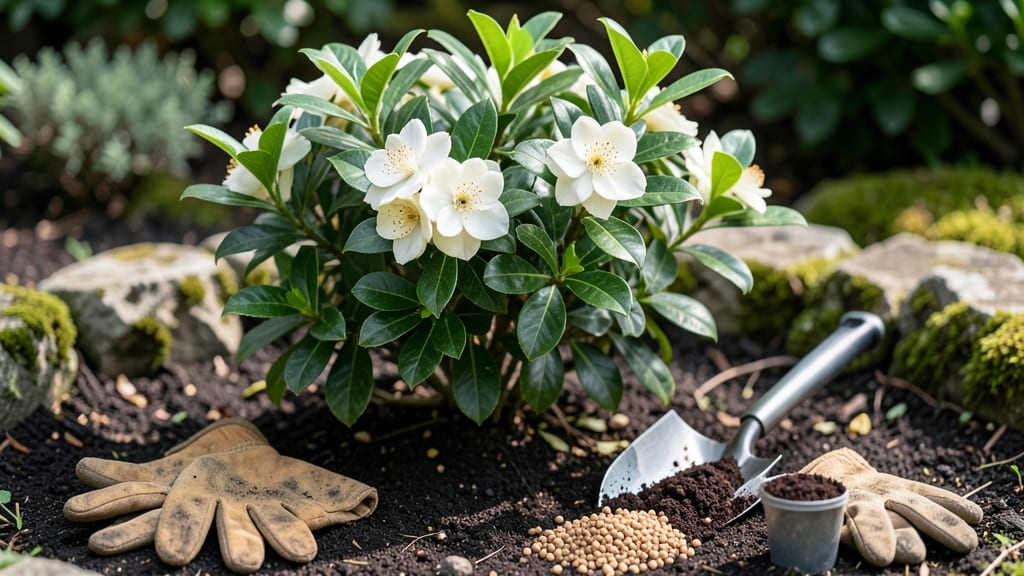
Gardenias like coffee grounds in moderation because they prefer acidic soil, but too much can harm roots by throwing off nutrient balance or attracting pests like fungus gnats. Always compost them first and use sparingly.
Gardenias thrive when their soil stays between pH 5.0 and 6.5, and coffee grounds help lower pH naturally.
The nitrogen in grounds also feeds microbes, but too much creates a soggy, anaerobic environment that roots hate. 🌱 I’ve found that mixing grounds into compost first lets them break down safely—never pile them fresh around the base.
For extra acidity, pine needles or sulfur work just as well without the risk of overdoing it.
Watch for yellowing leaves or moldy soil as red flags—these mean you’ve gone overboard. A light sprinkle around the drip line (not the trunk) every few months keeps gardenias happy without stressing their delicate roots.
💡 In This Article
- How Coffee Grounds Affect Gardenia Soil pH and Nutrient Balance
- Safe Ways to Use Coffee Grounds for Gardenias Without Risking Damage
How coffee grounds affect gardenia soil pH and nutrient balance
Coffee grounds lower soil pH through their natural acidity, which comes from compounds like chlorogenic acid and tannins. When grounds decompose, they release hydrogen ions (H+) that react with soil minerals, gradually acidifying the environment—perfect for gardenias that prefer pH 5.0-6.5.
This process mimics the acidic forest floors where gardenias originally thrived in the wild. However, the effect isn't instant; it takes 4-6 weeks for composted grounds to fully adjust pH levels.
The nitrogen content in coffee grounds (about 2% by weight) feeds beneficial soil microbes, but too much creates a nitrogen spike that can burn tender gardenia roots. This is why fresh grounds should never be applied directly—they create a high-carbon, low-oxygen zone that suffocates roots.
The ideal approach is to mix grounds into compost first, where microbes break them down into safer, more balanced nutrients. Think of it like a slow-release fertilizer rather than a quick fix.
Overuse leads to other nutrient imbalances too. Excess nitrogen can cause phosphorus and magnesium deficiencies, which show up as yellowing leaves or stunted growth. Gardenias also become more susceptible to fungal diseases when soil stays too wet from decomposing organic matter.
The sweet scent of gardenia flowers can turn sour when roots struggle—literally and figuratively! 🌿
Here's what happens chemically: Coffee grounds contain about 0.5% potassium and trace minerals, but their real power comes from the microbial activity they stimulate. These microbes help break down complex organic matter, but if you overload the soil, they create anaerobic pockets where roots can't breathe.
This is why gardeners often see mold or a slimy soil texture after overapplying coffee grounds.
For comparison, pine needles (pH ~4.0) or elemental sulfur (pH ~3.0) provide more predictable acidification without the nitrogen risks. While coffee grounds offer a free, convenient option, they require careful monitoring.
A simple soil test kit can reveal whether your gardenia's pH is trending toward the ideal range or veering into dangerous territory.
What most gardeners overlook is the texture change coffee grounds create. Fresh grounds are coarse and can disrupt soil structure, while decomposed grounds become fine and crumbly—like dark, rich humus. The difference is night and day for root health. 💫