
Tools
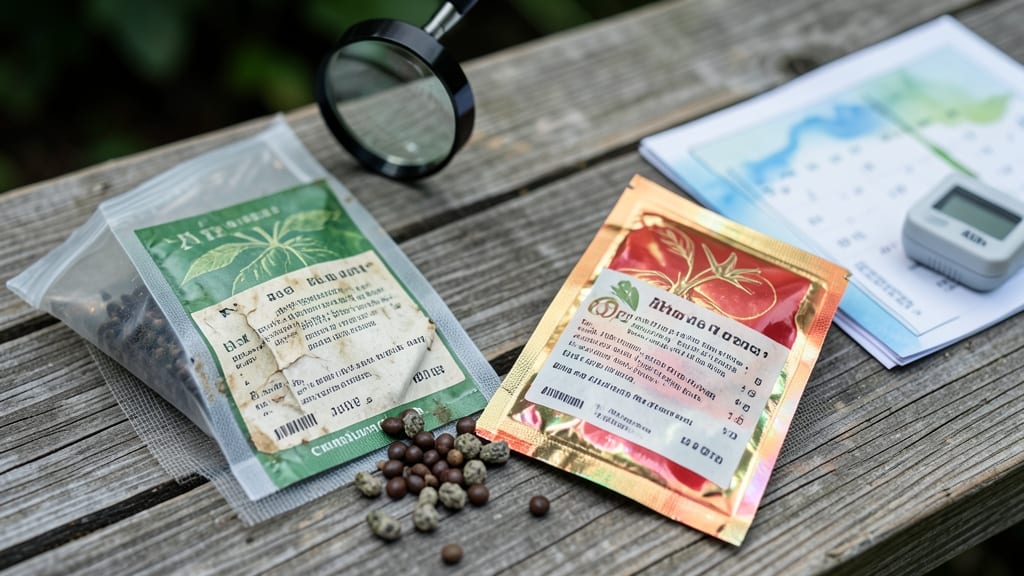
Garden seeds do go bad over time, with viability dropping after 1–5 years depending on the type—vegetables like onions and leeks last just 1–2 years, while beans and peas often stay good for 3–5 years if stored properly in a cool, dry place.
Yes, seeds degrade naturally due to cellular breakdown and moisture exposure, which triggers enzymatic reactions that weaken their ability to sprout. 🌱 The lifespan varies widely—some herbs like cilantro may last only 6 months, while hardy varieties like sunflower seeds can remain viable for up to 10 years under ideal conditions.
Proper storage isn't just about temperature; even small amounts of humidity can jumpstart mold growth, while oxygen exposure accelerates lipid oxidation in seed oils, making them rancid faster.
For example, tomato seeds stored in a cool, dark pantry (around 50°F) might retain 80% viability after 2 years, but if left in a damp basement, that number could plummet to 20% in just 6 months.
The key is mimicking natural dormancy conditions—what works for one seed type (like airtight mylar bags for beans) might fail for another (like paper envelopes for delicate lettuce seeds).
💡 In This Article
- How Seed Viability Declines Over Time
- Best Storage Methods to Extend Seed Life
How seed viability declines over time
Seed deterioration starts at the cellular level when moisture triggers enzymatic reactions that break down essential proteins and fats.
Inside each seed, enzymes like lipases begin oxidizing stored lipids, creating rancid compounds that signal spoilage. 🌱 For example, bean seeds contain about 15-20% oil, which becomes unstable when exposed to oxygen—this is why stored beans develop a stale, cardboard-like aroma over time.
The process accelerates at temperatures above 70°F, where enzyme activity triples compared to cool storage.
Humidity is the silent killer of seed viability. Even 10% relative humidity can cause seeds to absorb moisture, swelling their outer layers and creating ideal conditions for fungal growth. Consider onion seeds: their papery coats absorb moisture like sponge, leading to mold within 3-6 months if stored in damp conditions.
The science shows that seeds lose 50% viability faster in 80% humidity versus 30% humidity, making proper packaging critical.
Oxygen exposure accelerates lipid oxidation, turning healthy seed oils into harmful peroxides that damage cell membranes.
This is why vacuum-sealed packages preserve seeds longer than open containers. 💫 For instance, sunflower seeds stored in airtight mylar bags maintain 90% germination rates after 5 years, while those in paper envelopes drop to 40% in the same timeframe.
The oxidation process creates off-flavors too—think of how stored nuts develop bitter tastes when exposed to air.
Different seed types degrade at distinct rates due to their natural defenses. Hard-coated seeds like peas have protective layers that slow moisture absorption, while delicate lettuce seeds lack these barriers.
The rule of thumb: leafy greens lose viability in 1 year, while corn seeds can last 4-5 years under ideal conditions. This variation explains why seed packets often list different "best by" dates—it's not arbitrary, but rooted in biological differences.
Light exposure also plays a subtle but critical role. Photodegradation breaks down seed pigments and weakens cell walls, particularly in light-sensitive varieties like basil. Storing seeds in opaque containers blocks 95% of harmful UV rays, preserving their genetic integrity.
Even brief exposure to sunlight can reduce germination rates by 15-20% in sensitive seeds like dill.
What most gardeners miss is how these factors interact. A seed stored at 60°F with 40% humidity might last 3 years, but the same seed at 80°F with 60% humidity could fail in just 6 months.
Understanding these interactions lets you extend seed life by 30-50% with simple adjustments like moving storage to a basement during summer months.