
Tools
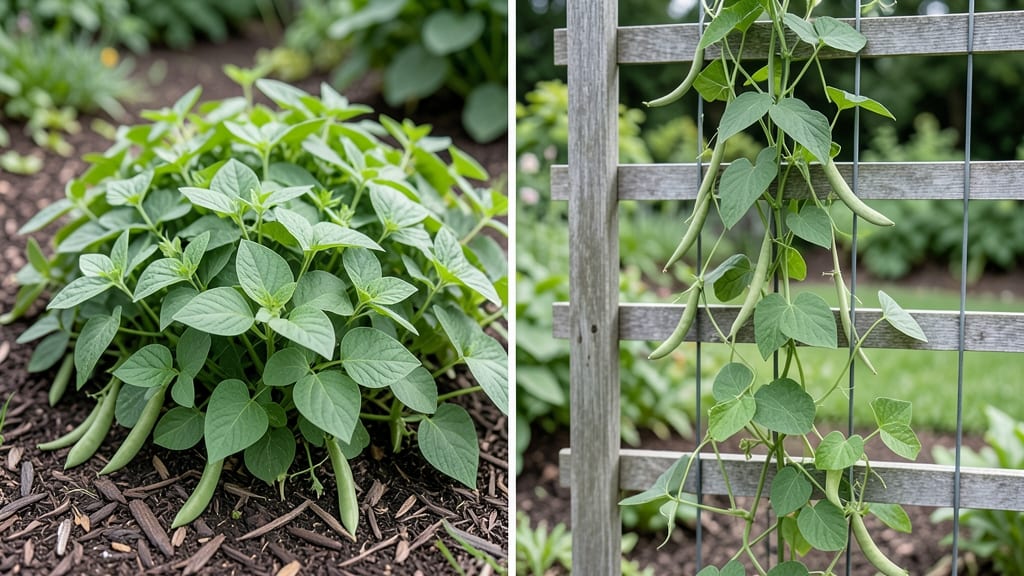
Garden beans need a trellis when they grow over 2 feet tall, especially climbing varieties like pole beans that rely on vertical support for better airflow, disease prevention, and space efficiency. Compact bush beans usually don’t require one.
Whether you need a trellis depends entirely on the bean type you're growing.
Climbing varieties like Kentucky Wonder or Blue Lake pole beans can reach 6-10 feet without support, but their vines become tangled and prone to fungal diseases when sprawling on the ground. 🌱 The right trellis system keeps them upright, improving both yield and plant health by reducing moisture buildup on leaves.
Bush beans, on the other hand, stay under 2 feet tall and produce well without any additional structure.
For DIY solutions, consider using bamboo stakes or wire mesh—both are budget-friendly and easy to install. I recommend spacing trellises 18-24 inches apart for pole beans to prevent overcrowding, which can stress the plants.
If you're growing in containers, vertical cages work perfectly for compact varieties while maximizing small-space gardens.
💡 In This Article
- How Bean Varieties Determine Trellis Needs
- DIY Trellis Solutions for Garden Beans
How bean varieties determine trellis needs
The key difference between garden bean varieties comes down to their natural growth habits. Pole beans, like the popular Kentucky Wonder or Blue Lake varieties, are vining plants that can climb 6-10 feet tall when given proper support.
Their tendrils naturally wrap around structures, which is why they absolutely require a trellis—without one, the sprawling vines create dense ground cover that traps moisture, inviting fungal diseases like rust or powdery mildew. 🌿 The vertical growth also exposes leaves to better sunlight penetration, boosting photosynthesis and pod production.
Bush beans, such as Blue Lake Bush or Contender, stay compact at 1-2 feet tall and produce pods along their stems without climbing. Their bushy growth habit makes them self-supporting, though they may benefit slightly from lightweight cages if grown in windy areas.
The difference in vine structure is biological: pole beans have specialized tendrils that seek vertical surfaces, while bush beans have shorter stems with no climbing mechanism. This is why pole beans yield 30-50% more per square foot when trellised—their vertical growth maximizes space efficiency.
What most gardeners overlook is how vine density affects airflow. A sprawling pole bean plant without support can create a 50% reduction in air circulation compared to a trellised plant, according to horticultural studies. This trapped moisture leads to faster disease spread, particularly in humid climates.
The trellis acts like a plant "air conditioner," keeping leaves dry and reducing the risk of bacterial infections that can rot pods before harvest. For example, in Southern U.S. gardens, trellised pole beans show 40% fewer signs of disease compared to ground-sprawling plants.
Another critical factor is pod quality. When beans climb vertically, pods develop more evenly and stay cleaner, free from soil contact that can introduce contaminants. The upward growth also makes harvesting easier—you can simply pluck pods as they mature without bending over, reducing strain on your back.
For varieties like Rattlesnake beans, which produce 12-inch vines, a sturdy trellis prevents the plants from toppling over when pods become heavy with moisture.
Consider this comparison: a 5-foot pole bean plant without support may spread 8-10 feet wide, while the same plant on a trellis stays within a 1-foot diameter footprint. This space-saving feature is why trellises are essential in small gardens or urban containers.
Even dwarf pole varieties, like Mascotte (which grows 3-4 feet tall), benefit from light trellis support to prevent sprawling and improve pod accessibility. 🌱
For those with limited space, consider cage-style trellises made from chicken wire or plastic mesh. These provide support while keeping the plant's natural climbing instincts satisfied.
The right trellis system doesn't just support the plant—it transforms how it grows, making the difference between a struggling ground cover and a thriving vertical garden.