
Tools
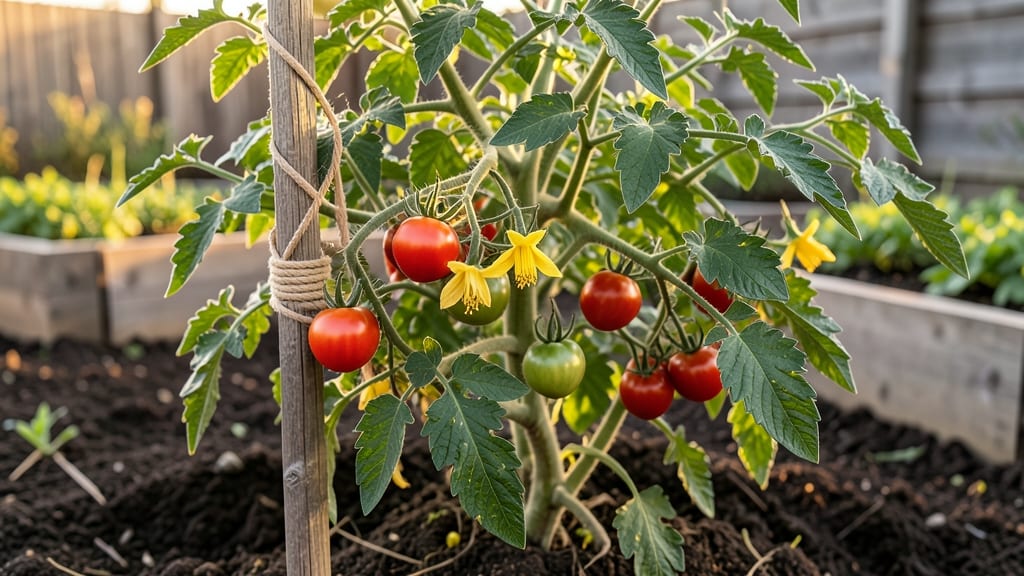
Using garden twine for tomatoes creates stronger stems by offering vertical support that reduces wind damage and encourages upward growth. Opt for biodegradable twine to minimize environmental impact, and always secure it loosely to prevent stem constriction as vines mature.
This simple yet effective technique transforms how tomato plants grow by redirecting their energy toward fruit production instead of sprawling. 🌱 The right support system—like twine-wrapped stakes—also improves airflow around leaves, cutting down on fungal diseases that thrive in damp foliage.
For heavy indeterminate varieties, I recommend thicker twine (around 1/8-inch) to handle the weight, while determinate types can use lighter options. The key is adjusting tension as the plant grows, ensuring the twine stays snug but never cuts into the stem.
Beyond material choice, proper installation matters just as much. I’ve found that wrapping twine around a sturdy bamboo stake—starting at the base and spiraling upward—gives plants the stability they need without restricting growth.
For eco-conscious gardeners, natural fibers like jute or hemp work well too, though they may degrade faster than synthetic options. Always store leftover twine in a dry place to avoid brittleness, and consider color-coded labels if you’re supporting multiple plant types in the same garden.
💡 In This Article
- How Tomato Plant Support with Twine Boosts Growth
- Choosing the Right Twine for Tomato Plants: Materials and Tips
How tomato plant support with twine boosts growth
Tomato plants rely on twine support to combat lodging—the collapse of stems under their own weight or wind. When vines grow heavy with fruit, they naturally bend toward the ground, which stresses the stem and can snap it.
Twine acts like a natural brace, redirecting the plant's energy upward where it belongs: into producing more tomatoes. Studies show supported plants can yield 20-30% more fruit because their energy isn't wasted on sprawling. The vertical growth also exposes leaves to better sunlight, which boosts photosynthesis and fruit ripening.
Air circulation becomes a game-changer with proper twine support. When tomato leaves stay dry and well-ventilated, fungal diseases like early blight and powdery mildew have less chance to take hold. 🌿 The twine creates space between branches, allowing air to flow freely—something sprawling plants can't achieve on their own.
For indeterminate varieties (like 'Sungold' or 'Brandywine'), which grow continuously, twine helps manage their 6-12 foot height without breaking. Determinate types (like 'Roma') benefit too, though they need less support since they grow in bushier forms.
The tension of the twine matters just as much as the material. Too tight, and it can girdle the stem, cutting off nutrients; too loose, and the plant won't get proper support. I recommend starting with 1-2 inches of slack at the base, then tightening as the vine thickens.
For heavy varieties, wrap twine around a 3-4 foot stake in a spiral pattern, leaving room for the plant to grow through. This method mimics how vines naturally climb trellises in the wild, encouraging them to grow upward instead of outward.
Twine support also influences fruit quality. When tomatoes aren't fighting gravity, they develop more evenly and ripen faster. The upward growth reduces contact with soil-borne diseases, and the increased sunlight exposure enhances flavor. For example, heirloom tomatoes like 'Cherokee Purple' develop deeper colors and richer sugars when supported properly.
The key is adjusting the twine every 2-3 weeks as the vine thickens, ensuring it stays snug but never restrictive.
One often-overlooked benefit is how twine support affects harvesting ease. Supported plants are simpler to pick from, reducing bruising and damage to the fruit. This is especially useful for cherry tomatoes, which can be delicate.
By keeping vines off the ground, you also minimize soil splatter, which can introduce bacteria to the fruit. For gardeners with limited space, twine allows you to grow more plants vertically in the same footprint, maximizing yield in small areas.