
Advice
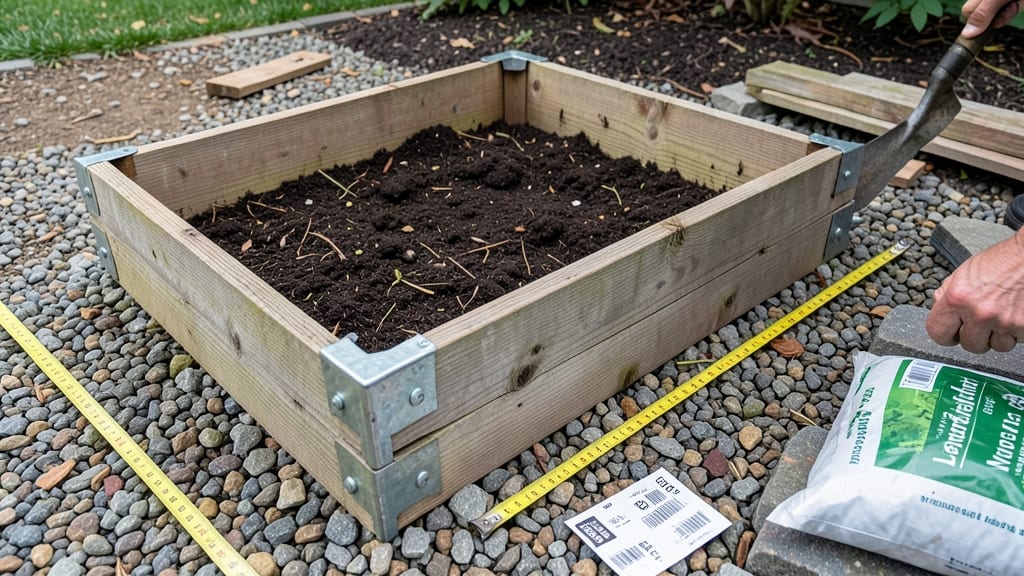
The cost of building a raised garden bed typically ranges from $50 to $500+, influenced by factors like dimensions, lumber quality, and construction materials. A standard 4x8-foot frame using cedar or redwood averages $100–$300, while recycled wood or composite lumber can drop costs to $50–$150. Additional expenses for soil, hardware, and liners run $20–$100, with DIY designs and repurposed materials offering further savings.
The price swings you see come from material choices and project scale. 💰 A 4x4-foot bed using pressure-treated pine might cost just $60–$100 for lumber alone, while a 6x12-foot cedar bed jumps to $300–$500 due to increased board footage.
I’ve found that soil quality often gets overlooked—high-quality garden mix can cost $10–$20 per cubic yard, but cheaper topsoil may require amendments. For budget builds, I recommend sourcing lumber from local timber sales or Habitat ReStore, where you can sometimes find pre-cut cedar planks at 30–50% off retail.
Another key factor is hardware and assembly. Galvanized screws and corner brackets add $10–$30 to the total, but skipping them in favor of notched lap joints can save money while maintaining stability.
I’ve also seen gardeners use cinder blocks or bricks as borders instead of wood, cutting costs by $50–$100 for larger beds. The trade-off? These materials require more labor and may not last as long as treated lumber.
💡 In This Article
- Breakdown of Raised Garden Bed Material Costs
- 10 Ways to Cut Raised Garden Bed Costs Without Sacrificing Quality
Breakdown of raised garden bed material costs
The foundation of your raised bed's cost lies in the lumber choice—cedar and redwood command premium prices due to their natural rot resistance and aromatic qualities.
A 4x8-foot bed using 2x6 cedar boards (standard for most DIY projects) costs $100–$200 because cedar resists insects and warping, lasting 10–15 years without treatment. In contrast, pressure-treated pine (the budget option) runs $50–$100 for the same size but may require sealing every 2–3 years to prevent wood rot.
The difference? Cedar’s natural oils act as a preservative, while pine relies on chemical treatments that can leach into soil over time.
Hardware and assembly add $15–$40 to the total, with galvanized screws and corner brackets ensuring stability against wind and settling soil. I’ve noticed that notched lap joints (cutting boards at 45° angles) eliminate the need for brackets entirely, saving $10–$20 while maintaining structural integrity.
For larger beds (6x12 feet), adding 2x4 crossbraces every 2–3 feet prevents sagging—a critical detail often overlooked in budget builds. The soil itself can vary wildly: Topsoil costs $10–$20 per cubic yard, while pre-mixed garden soil (with compost and fertilizer) runs $20–$40 per cubic yard.
A 4x8-foot bed filled to 12-inch depth needs about 1.5 cubic yards, so soil alone can add $30–$90 to your total.
Liner costs depend on whether you prioritize weed suppression or organic decomposition. Landscape fabric runs $10–$20 for a 4x8-foot roll and blocks weeds effectively, while cardboard (free or $5–$10 for delivery fees) breaks down in 6–12 months but requires replacement.
I’ve found that straw or newspaper (also free) works for short-term suppression but may not last a full growing season. The liner choice directly impacts long-term maintenance—fabric lasts 3–5 years, while organic liners need annual refreshes.
For example, a 4x4-foot bed with cedar lumber, screws, and landscape fabric totals around $150–$200, while swapping to pine and cardboard drops the cost to $80–$120.
Size scales costs exponentially due to material volume. A 4x4-foot bed uses about 12 linear feet of lumber, while an 8x8-foot bed requires 32 linear feet—tripling the wood cost alone.
For instance, cedar for an 8x8-foot bed jumps to $250–$400, and soil needs increase from 1 cubic yard to 4 cubic yards. I’ve seen gardeners split large beds into 4x4 sections to save on materials while maintaining manageable planting areas.
This modular approach also allows for phased construction, spreading costs over multiple seasons if needed.
Regional lumber prices play a huge role—cedar in the Pacific Northwest costs 20–30% less than in the Midwest due to local mills. I’ve tracked prices at Home Depot and Lowe’s and found that buying in late winter/early spring (when demand is low) can save 10–15%.
For example, a 2x6 cedar board might drop from $5.50 in summer to $4.50 in January. Bulk purchases (e.g., 10+ boards) often qualify for 10–15% discounts, making it worth calculating your exact board footage needs before shopping.
Don’t overlook the hidden costs of tools and safety gear. A basic toolkit (drill, circular saw, level, tape measure) can add $100–$300 if you don’t already own them. Renting tools for a day ($40–$80) might be cheaper than buying.
Safety gear—gloves, goggles, ear protection—adds $20–$50 but prevents injuries during assembly. For instance, cutting cedar without a saw blade rated for hardwoods can dull tools quickly, adding unexpected replacement costs.
Here’s a quick cost comparison for a 4x8-foot bed:
- Cedar lumber: $150–$250 (includes screws/brackets)
- Pressure-treated pine: $80–$150 (plus annual sealing)
- Composite lumber: $200–$300 (long-term durability, no maintenance)
- Soil (garden mix): $50–$80 (1.5 cubic yards)
- Liner (landscape fabric): $15–$25
Total ranges from $245–$455—but swapping to pine and cardboard cuts it to $135–$205. The key is balancing upfront costs with long-term durability and maintenance needs.