
Landscaping
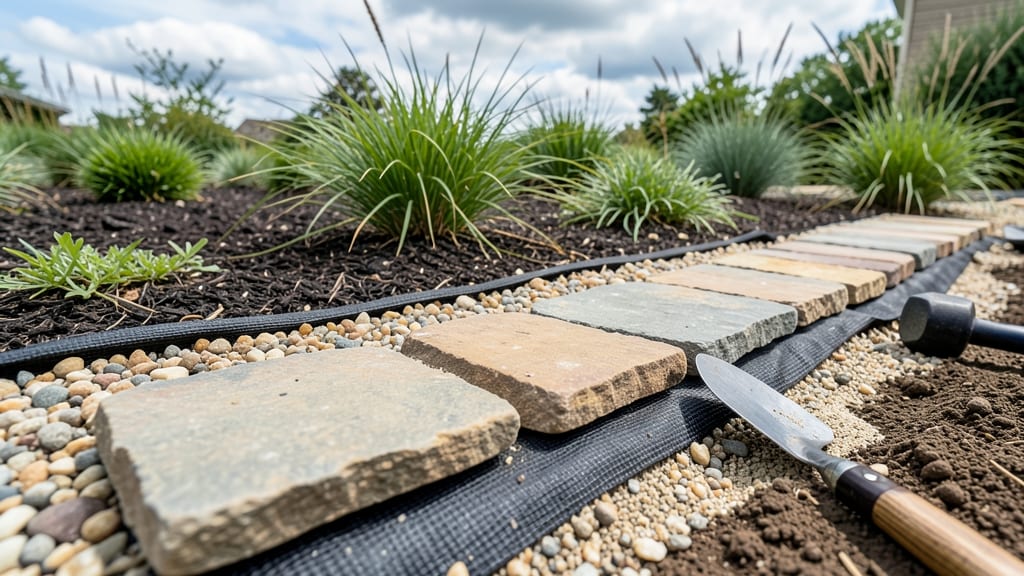
Cobble garden edging creates defined garden beds with natural stone that lasts through seasons, blending rustic appeal with practical erosion resistance. Opt for river rocks, slate tiles, or fieldstone for borders that enhance any outdoor space while requiring minimal maintenance.
Natural stone edging isn't just about looks—it's a smart investment for garden longevity. 🌿 The right cobble material can handle foot traffic, freeze-thaw cycles, and even root pressure from nearby plants, making it ideal for both formal and cottage-style gardens.
I've seen river rocks create soft, organic curves in wildflower beds, while slate slabs deliver crisp, geometric lines for vegetable gardens. The key is matching your stone choice to your soil type and climate, since some materials (like granite) resist cracking better in freeze-prone areas.
Installation starts with proper preparation: dig a trench about 3-4 inches deep and lay landscape fabric to prevent weed growth. For extra stability, I recommend a sand base with 1-2 inches of gravel underneath—this creates drainage while keeping stones securely in place.
The beauty of cobble edging is its versatility; you can mix materials (like pairing bluestone with fieldstone) for a custom look that still feels cohesive. Just remember: larger stones need deeper trenches and more backfill to stay level.
💡 In This Article
- 5 Best Cobble Materials for Garden Edging
- Step-by-Step Cobble Edging Installation Guide
5 Best cobble materials for garden edging
When selecting cobble materials, the first consideration is how each stone type interacts with your climate and soil. River rocks, with their smooth, rounded surfaces, are ideal for soft, organic garden beds because their irregular shapes interlock naturally, reducing erosion from rain or irrigation.
These stones typically measure between 2-6 inches in diameter and come in earthy tones like taupe, gray, and brown—perfect for complementing wildflower gardens or woodland areas. Their porosity also means they absorb water, helping to prevent soil erosion while maintaining a natural, undisturbed look over time.
For a more structured appearance, slate slabs offer clean lines and consistent thickness, usually ranging from ½ to 1 inch thick. Slate's natural cleavage allows for precise cutting, making it excellent for geometric borders around vegetable gardens or formal herb beds.
This material's low permeability means it resists weed growth between stones, but its flat surface can become slippery when wet—ideal for dry climates but requiring extra traction in rainy regions. The slate's subtle metallic sheen adds a sophisticated touch, especially when paired with light-colored gravel for contrast.
If your garden faces freeze-thaw cycles, granite is a powerhouse choice due to its 6.5-7 on the Mohs hardness scale, making it nearly impervious to cracking. Available in 2-4 inch chunks or ½ inch thick slabs, granite's speckled patterns create visual interest while maintaining durability.
However, its higher cost (typically $3-$7 per square foot) means it's best suited for high-traffic areas like pathways or borders near patios. The key advantage is its ability to maintain edges without shifting, even after years of seasonal changes.
For a truly rustic aesthetic, fieldstone delivers irregular shapes and earthy textures that blend seamlessly with natural landscapes. These stones, often 4-8 inches in diameter, are collected from local quarries and vary in color from deep reds to muted grays.
Their rough surfaces provide excellent traction and create micro-habitats for beneficial insects, but they require deeper trenches (4-6 inches) to stay stable. Fieldstone works beautifully in cottage gardens or along fence lines, where its organic irregularity enhances the handcrafted feel.
Finally, bluestone stands out with its distinctive blue-gray hues and fine-grained texture, making it a favorite for contemporary garden designs. This sedimentary stone splits easily into ½ to 1 inch thick slabs that can be laid in herringbone or staggered patterns.
While slightly softer than granite (around 3 on the Mohs scale), bluestone's density makes it resistant to weathering, though it may develop a patina over time that some gardeners find charming.
Its versatility extends to both formal and informal settings, especially when combined with white pebbles for a Mediterranean-inspired border.
Each material brings unique benefits: river rocks for erosion control, slate for precision, granite for durability, fieldstone for rustic charm, and bluestone for modern elegance. The choice ultimately depends on your garden's style, climate, and how much maintenance you're willing to invest.
For example, river rocks require minimal upkeep but may shift slightly over time, while slate offers permanence at the cost of more precise installation.