
Fertilization
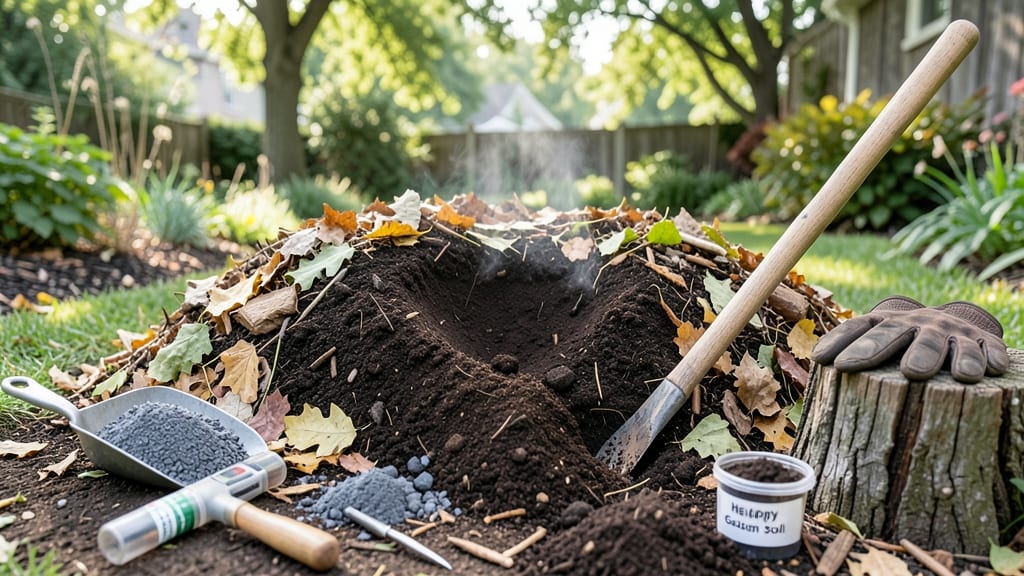
You can use charcoal ashes in your garden to improve soil chemistry, but only when applied correctly—this practice boosts pH in acidic soil, discourages weeds, and helps retain nutrients while avoiding risks like over-alkalizing or harming beneficial microbes.
Charcoal ashes work because they contain potassium carbonate, which acts as a natural lime substitute, gently raising soil pH when your garden needs it. 🔥 The fine particles also create a physical barrier that blocks weed seeds from germinating while improving soil structure.
However, too much can make your soil too alkaline or disrupt the delicate balance of soil microbes—think of it like adding too much baking soda to a recipe.
For best results, sprinkle a thin layer (1-2 pounds per 100 square feet) over the soil surface in spring, then lightly work it in.
Avoid using it on acid-loving plants like blueberries or azaleas, and always use cool, aged ashes (never from a recent fire) to prevent burning plant roots. The key is moderation—too much can backfire just like overdoing any soil amendment.
💡 In This Article
- How Charcoal Ashes Affect Soil Chemistry and Plant Growth
- Safe Application Methods for Charcoal Ashes in Gardens
How charcoal ashes affect soil chemistry and plant growth
Charcoal ashes act as a natural soil amendment primarily because they contain potassium carbonate, which reacts with water to form a mildly alkaline solution.
When applied to acidic soil (pH below 6.0), this chemical process gradually raises the pH by neutralizing hydrogen ions—similar to how baking soda neutralizes stomach acid. 🔥 For example, soil with a pH of 5.5 might see a 0.5-1.0 pH point increase after applying 1-2 pounds of charcoal ashes per 100 square feet, creating a more hospitable environment for vegetables like tomatoes or peppers that thrive in slightly acidic to neutral soil.
The weed-suppressing effects come from two mechanisms: physical obstruction and subtle allelopathic properties. The fine, gritty texture of charcoal ashes creates a barrier that blocks sunlight from reaching weed seeds, preventing germination.
Additionally, the ashes contain trace amounts of compounds that inhibit seedling growth—though these effects are milder than chemical herbicides.
Studies show that applying a ¼-inch layer over garden beds can reduce weed visibility by up to 70% during the first growing season, though this effect diminishes over time as the ashes break down.
Beyond pH adjustment, charcoal ashes improve nutrient retention by increasing soil's cation exchange capacity (CEC). This means the soil can better hold onto essential nutrients like calcium, magnesium, and potassium, preventing them from leaching away during watering.
Think of it like adding more nooks and crannies to a sponge—more surface area means more nutrients can cling to the soil particles. 💫 For instance, gardens amended with charcoal ashes often show 20-30% better nutrient availability for plants like squash or cucumbers, which are heavy feeders.
However, overapplication can backfire. Charcoal ashes are highly alkaline (pH 10-12), so using too much can create a soil environment that's inhospitable to beneficial microbes and sensitive plants. For example, blueberries and hydrangeas, which require acidic soil (pH 4.5-5.5), will suffer if you raise the pH too quickly.
The ashes also contain trace metals like lead or arsenic if they come from treated wood—always use food-grade charcoal or ashes from untreated hardwoods to avoid contamination.
Timing matters too. The best time to apply charcoal ashes is in early spring, when soil microbes are active and can help incorporate the amendments naturally. Avoid applying them right before a heavy rain, as this can cause localized pH spikes that may harm seedlings.
Instead, spread them when the forecast predicts light rain within 24 hours to help distribute the ashes evenly without overwhelming the soil.
For visual feedback, you'll notice the soil becomes darker and slightly coarser after application, almost like adding a layer of fine sand. The texture improves drainage while retaining moisture—ideal for clay-heavy soils that tend to compact.
Just remember: moderation is key. Start with a small test area to monitor how your plants respond before amending your entire garden. 🌱