
Container Gardens
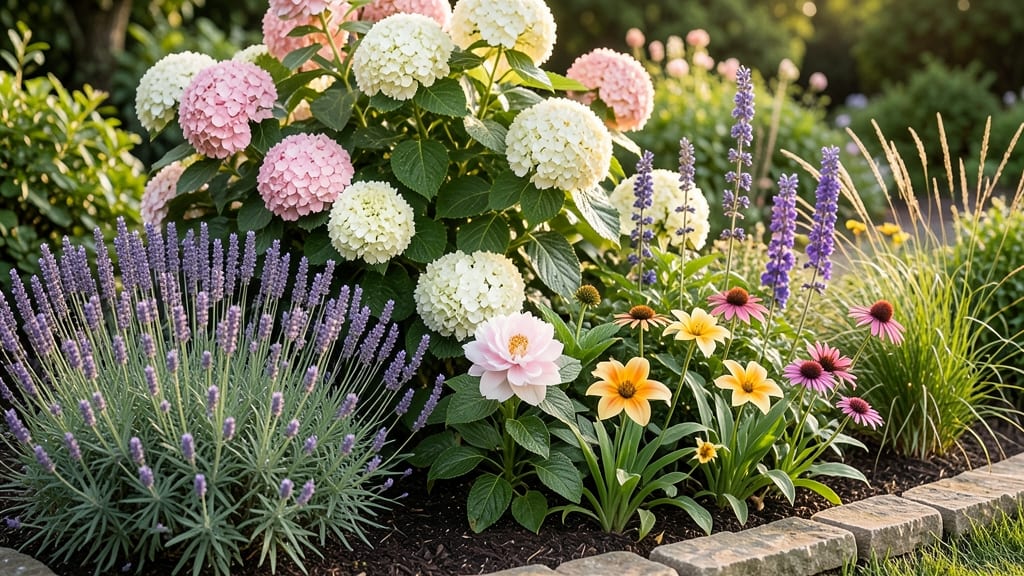
Nearby botanical gardens provide peaceful retreats filled with rare plant species, vibrant seasonal displays, and informative exhibits. Always verify admission details, operating hours, and guided tour availability to enhance your experience.
Nearby botanical gardens serve as living museums where you can explore diverse ecosystems in one place. 🌿 These curated collections often include rare and endangered species, making them ideal for both casual visitors and plant enthusiasts.
Many gardens also host educational programs, from guided walks to hands-on workshops, that deepen your understanding of horticulture and conservation efforts. The seasonal transformations—like spring blooms or autumn foliage—create ever-changing visual experiences that keep visits fresh year after year.
What sets these gardens apart from regular parks is their focus on conservation and research. 🌱 Many collaborate with universities or environmental organizations to study plant biology, climate adaptation, and sustainable gardening techniques. This scientific aspect adds value beyond aesthetics, offering insights into how plants thrive in different conditions.
Whether you're looking for inspiration for your own container garden or simply seeking a quiet outdoor space, these green sanctuaries deliver both beauty and knowledge.
💡 In This Article
- What Makes Botanical Gardens Unique Plant Havens
- How to Plan Your Visit to Nearby Botanical Gardens
What makes botanical gardens unique plant havens
Botanical gardens stand out from typical parks because they're meticulously curated living collections designed for both beauty and scientific study. Unlike public parks that focus on recreational space, these gardens house thousands of plant species—often organized by geographic regions, plant families, or ecological zones.
For example, the Missouri Botanical Garden in St. Louis maintains over 8,000 plant species across its 79-acre campus, including rare orchids from Southeast Asia and native prairie plants. This concentrated biodiversity makes them invaluable for conservation, with many gardens participating in global seed banks to preserve endangered species.
The ecological significance runs deeper than aesthetics. Many gardens serve as living laboratories where researchers study plant genetics, climate adaptation, and pollinator ecosystems. Take the New York Botanical Garden, which operates a 25-acre greenhouse complex to study tropical plants threatened by deforestation.
Their scientists track how species like the Madagascar baobab adapt to changing temperatures, providing real-world data for climate change research. This dual role as both public space and scientific facility creates a unique experience where visitors can witness ongoing conservation efforts firsthand.
Seasonal transformations play a crucial role in their appeal. Unlike static exhibits, botanical gardens evolve dramatically with each season—spring brings vibrant tulips and azaleas, summer showcases towering sunflowers and fragrant roses, fall features fiery maples and golden chrysanthemums, and winter often highlights evergreens and holiday-themed displays.
The Chicago Botanic Garden, for instance, transforms its 1,000-acre site into a winter wonderland with ice sculptures and illuminated plant collections. This cyclical renewal keeps each visit fresh while reinforcing the garden's role as a dynamic ecosystem.
What truly distinguishes botanical gardens is their educational mission. Many offer interactive exhibits like touchable plant displays for children or augmented reality apps that identify species via smartphone.
The Fairchild Tropical Botanic Garden in Miami, for example, features a butterfly garden where visitors can observe 20+ species up close while learning about their migration patterns. These hands-on experiences make complex botanical concepts accessible, bridging the gap between scientific research and public engagement.
The sensory experience is another key differentiator. Unlike manicured lawns, botanical gardens engage multiple senses—aromas from citrus groves, textures of velvety magnolias or spiky cacti, and sounds of rustling palm fronds or bird calls.
The Longwood Gardens in Pennsylvania even incorporates water features that create soothing sounds while supporting aquatic plant displays. This multisensory approach transforms a simple walk into an immersive journey through global ecosystems.
For container gardeners, these spaces offer practical inspiration too. Many gardens feature container demonstration areas showing how to grow diverse plants in limited spaces—like the San Francisco Botanical Garden's container garden that displays 150+ species in pots ranging from 6-inch to 5-gallon sizes.
Visitors can see firsthand how plants like orchids or succulents thrive with proper container selection and care techniques.