
Container Gardens
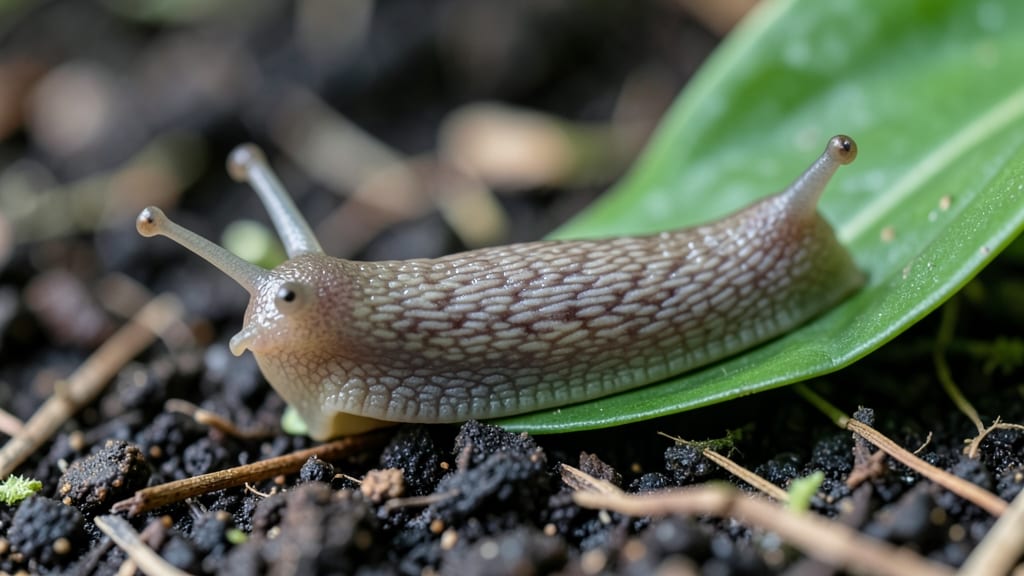
Slugs in gardens are beneficial in some ways but harmful in others—they break down organic material and improve soil health, while also becoming pests that chew through tender plants and leaves. Whether they help or hurt depends on your garden's ecosystem and plant types.
Slugs actually play a small but important role in nature's cleanup crew. 🌱 They help decompose fallen leaves and plant debris, which enriches the soil with nutrients over time. Plus, they serve as a food source for birds, frogs, and other beneficial predators in your garden ecosystem.
However, their appetite for young seedlings and delicate foliage can quickly turn them from helpful recyclers into destructive pests. The key is finding that balance—letting them contribute to soil health while protecting your prized plants from their ravenous feeding habits.
For example, if you have a vegetable garden with lettuce or strawberries, slugs can devour entire crops overnight. On the other hand, if your garden primarily features hardy perennials like lavender or rosemary, slugs might not cause as much damage.
Understanding which plants they target—and which they ignore—helps you decide when to intervene or when to let them be part of your garden's natural cycle.
💡 In This Article
- How Slugs Naturally Benefit Garden Ecosystems
- Managing Slugs Without Harming Your Garden
How slugs naturally benefit garden ecosystems
Slugs act as nature's composters by breaking down organic matter like fallen leaves, dead plants, and decaying wood.
Their saliva contains enzymes that accelerate decomposition, turning complex materials into simpler nutrients that enrich the soil. 🌱 This process is similar to how earthworms work, but slugs target smaller debris that worms might overlook, creating a finer, more accessible nutrient base for plant roots.
Their feeding habits also improve soil structure by creating small tunnels as they move through the soil surface. These tunnels enhance aeration, allowing oxygen and water to penetrate deeper into the soil—critical for root health.
Studies show that gardens with slug activity often have 10-20% better soil porosity compared to slug-free areas, which translates to healthier plant growth over time. However, this benefit comes at a cost when slugs target living plants instead of dead organic material.
Slugs play a vital role in the food chain as prey for birds, amphibians, and beneficial insects like ground beetles. A single bluebird can consume 50-100 slugs per day, helping control their populations naturally.
This predator-prey relationship creates a balanced ecosystem where slugs contribute to both nutrient cycling and biodiversity. The challenge arises when their numbers grow unchecked, shifting from beneficial recyclers to destructive pests.
Consider their impact on compost piles: slugs thrive in moist, decaying environments, where they help break down materials faster than they would on their own. In a well-managed compost system, this activity speeds up nutrient release by 30-40%, turning raw compost into usable soil amendments in half the time.
Yet, in a vegetable garden, the same slugs might chew through your prized lettuce leaves overnight.
The key lies in understanding which plants they favor. Slugs prefer tender, moisture-rich foliage like lettuce, strawberries, and young seedlings over woody plants like lavender or rosemary.
This selectivity means their benefits often outweigh their drawbacks in gardens with hardy, mature plants—but can become a nightmare in vegetable plots or flower beds with delicate blooms.
What most gardeners don't realize is that slugs also help disperse seeds and spores. As they move through gardens, they inadvertently spread plant materials, contributing to natural propagation.
This ecological service is particularly valuable in wildflower meadows or native plant gardens, where slugs play a role in maintaining plant diversity. 🌿