
Fertilization
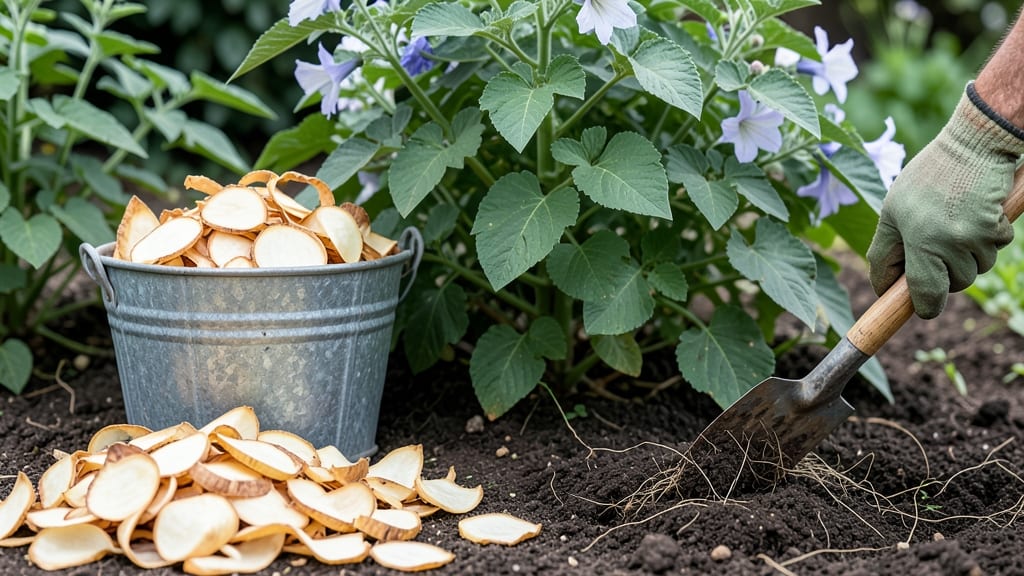
Potato peels are good for the garden when composted properly, enriching soil with potassium and phosphorus while improving texture, but fresh peels should never be used due to disease risks and pest attraction. Always chop them finely and bury them deeply to prevent spoilage.
Potato peels contain valuable nutrients that break down into compost over time, creating a nutrient-rich soil amendment. 🌱 The potassium and phosphorus they provide support root development and flowering plants, while their fibrous texture improves drainage and aeration.
However, fresh peels can introduce harmful pathogens or pests—always compost them first to sterilize the material safely.
For best results, mix peels with other organic waste like leaves or grass clippings to speed decomposition. Avoid composting peels from green or diseased potatoes, as these can introduce toxins to your soil. Instead, use them as mulch around plants or steep them in water for a nutrient-rich fertilizer tea.
💡 In This Article
- How Potato Peel Composting Boosts Soil Health
- Safe Ways to Use Potato Peels in Your Garden
How potato peel composting boosts soil health
Potato peels are a nutrient powerhouse when composted correctly, primarily because they're rich in potassium (K) and phosphorus (P)—two essential macronutrients plants crave.
A typical 100g of fresh potato peels contains about 1,200-1,500mg of potassium (similar to a banana's potassium content) and 80-100mg of phosphorus, which directly supports root growth and energy transfer in plants. The fibrous texture also adds organic matter that improves soil structure by increasing water retention and aeration.
The real magic happens during decomposition, where beneficial microbes break down the peels into humus.
This process releases not just potassium and phosphorus, but also trace minerals like calcium and magnesium. 🌱 What's fascinating is how the microbial activity creates a feedback loop: as microbes consume the peels, they produce heat (up to 140-160°F in a well-managed compost pile), which further accelerates nutrient release.
This contrasts sharply with fresh peels, which can introduce harmful pathogens like Phytophthora infestans (the potato blight fungus) that would otherwise thrive in garden soil.
Composted potato peels also act as a natural disease suppressor. Studies show that properly decomposed organic matter can reduce soil-borne pathogens by up to 70% by outcompeting harmful microbes for nutrients and space.
The porous structure created by decomposed peels also improves drainage while maintaining moisture—critical for preventing root rot in heavy clay soils. For example, adding composted peels to garden beds can transform compacted soil into a loose, crumbly texture that resembles a well-aerated loam.
One often-overlooked benefit is the slow-release nature of nutrients from composted peels. Unlike synthetic fertilizers that deliver a quick but short-lived nutrient boost, composted peels provide a steady supply over 3-6 months.
This gradual release prevents nutrient burn while supporting long-term plant health. The organic matter also enhances soil microbial diversity, which is directly linked to better nutrient cycling and plant resilience against stress.
For visual learners, imagine this: fresh potato peels look like brittle, pale yellow shards that float on water, while composted peels transform into dark, crumbly humus that clings to soil particles. This physical change mirrors the chemical transformation happening underground—from a potential contaminant to a valuable soil amendment.
The key difference lies in the decomposition process, which neutralizes any harmful compounds through microbial action.
To maximize these benefits, aim for a compost pile with a carbon-to-nitrogen ratio of 25:1 to 30:1, mixing peels with brown materials like leaves or straw. This balance ensures complete decomposition without creating anaerobic conditions that produce foul odors.
The result? A nutrient-dense soil amendment that works as effectively as commercial compost while being completely free.