
Pests
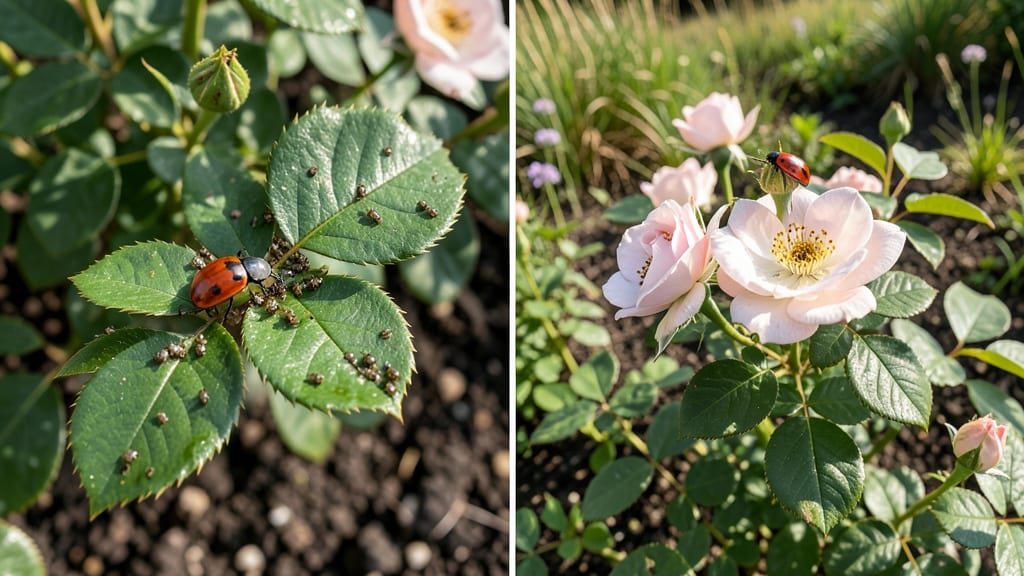
Ladybirds (ladybugs) are good for the garden because they voraciously consume aphids, mites, and other soft-bodied pests, providing natural pest control without harming plants or beneficial insects like bees.
Ladybirds are nature's pest control superheroes, especially for gardens. 🌿 These tiny beetles can devour hundreds of aphids in a single day, protecting your plants without chemicals. Their diet includes mealybugs, scale insects, and even spider mites, making them invaluable allies for organic gardeners.
Plus, they're harmless to your veggies and flowers, unlike some chemical solutions that leave residues.
What makes them even better is their role in the ecosystem. Ladybirds help maintain balance by controlling pest populations naturally, which reduces the need for harmful pesticides. Many gardeners intentionally attract them by planting nectar-rich flowers like fennel or dill, creating a welcoming environment that benefits the entire garden ecosystem.
💡 In This Article
- How Ladybirds Hunt and Eliminate Garden Pests
- Encouraging Ladybirds in Your Garden: Best Practices
How ladybirds hunt and eliminate garden pests
Ladybirds are precision hunters, using their compound eyes to detect movement and chemical cues from prey. An adult ladybird can consume 50-100 aphids per day, while larvae devour even more—up to 400 aphids in their short 2-week lifespan.
Their mandibles are perfectly adapted to pierce aphid exoskeletons, injecting digestive enzymes that liquefy the prey's insides before sucking them dry. This process happens in under 10 minutes per aphid, making them one of nature's fastest pest eliminators.
Their effectiveness extends to all aphid life stages—eggs, nymphs, and adults—preventing infestations before they spiral out of control. Ladybirds also target other soft-bodied pests like whiteflies and spider mites, which they locate using pheromone trails left by prey.
Interestingly, some species even "farm" aphids by herding them to milk their honeydew secretions, though this doesn't harm plants. Their voracious appetite means they can reduce aphid populations by 90% in just a few days during outbreaks.
Beyond pest control, ladybirds contribute to pollination while feeding. As they move between plants for nectar (their primary food source when pests are scarce), they transfer pollen between flowers. This dual role makes them ecosystem engineers—controlling pests while supporting plant reproduction.
Their presence often correlates with healthier soil too, as their frass (excrement) contains nitrogen that enriches the earth, though this is a secondary benefit compared to their direct pest management.
What most gardeners don't realize is that ladybirds are selective predators. They ignore beneficial insects like hoverflies or lacewings because these don't match their prey profile. This precision is why they're preferred over broad-spectrum pesticides that kill everything indiscriminately.
Their hunting strategy also prevents pest resistance—unlike chemical treatments that can create superbugs, ladybirds adapt their techniques as pest populations evolve.
Consider this comparison: A single ladybird colony can protect 100 square feet of garden, while chemical sprays often require reapplication every 2-4 weeks and may harm the very plants you're trying to save.
Their natural lifecycle—laying eggs directly on aphid hotspots—means they're already positioned for maximum impact when pests appear. This targeted approach is why organic gardeners consider them the gold standard for aphid control.
Their effectiveness isn't just about numbers—it's about timing too. Ladybirds are most active during warm, sunny days (65-85°F), when they're most efficient hunters. Cool mornings see them sheltering under leaves, conserving energy.
This daily pattern means they provide 24-hour protection when populations are dense enough, unlike chemical sprays that degrade quickly in sunlight or rain.
One fascinating adaptation is their ability to recognize plant distress signals. Studies show ladybirds are drawn to plants emitting volatile organic compounds (VOCs) that aphids release when feeding. This chemical communication system makes them 30% more effective at finding infestations compared to random searching.
It's nature's early warning system for gardeners—where ladybirds gather, pests are likely nearby.